In industrial environments, laser distance sensors are indispensable tools for precision measurement, automation, and quality control. However, their performance and longevity are frequently compromised by one pervasive adversary: dust. Particulate contamination can obstruct optical components, scatter or absorb laser beams, cause erroneous readings, and lead to premature sensor failure. Implementing robust dust protection is not merely an accessory feature but a critical requirement for ensuring measurement reliability and operational continuity. This article delves into the mechanisms of dust interference and outlines comprehensive, practical strategies for safeguarding these sophisticated instruments.
The primary vulnerability of a laser distance sensor lies in its optical system. The lens or window through which the laser beam is emitted and the reflected light is received is the frontline. Dust accumulation on this surface acts as a diffuser, attenuating the signal strength. In time-of-flight or phase-shift measurement principles, a weakened return signal can result in increased noise, reduced maximum range, or complete signal loss. Fine, conductive dust particles can also infiltrate housing seams, potentially settling on internal circuitry and causing short circuits or corrosion over time. Environments like woodworking, mining, cement production, and metal grinding are particularly harsh, generating abrasive and electrically active dust that poses a dual threat.
A multi-layered defense approach is the most effective philosophy for dust protection. The first layer is physical sealing. Sensors should be housed in enclosures with a high Ingress Protection (IP) rating, specifically focusing on dust ingress. An IP65 rating denotes "dust protected" (not totally dust-tight but sufficient for most industrial dust), while IP67 and IP68 offer higher levels of protection against immersion. The sealing integrity of cable glands, housing joints, and the protective window is paramount. Gaskets and O-rings made from materials resistant to industrial chemicals and temperature fluctuations should be used and regularly inspected during maintenance cycles.
The second layer involves the design of the optical interface itself. A common and highly effective strategy is the use of an air purge system. A continuous, low-pressure stream of clean, dry air (or inert gas like nitrogen in explosive atmospheres) is directed across the sensor's window. This creates a positive pressure barrier that prevents dust from settling on the glass. The air flow must be laminar and of sufficient volume to cover the entire optical aperture without causing vibrations that could affect measurement stability. For fixed installations near constant dust sources, this is often the most reliable solution.
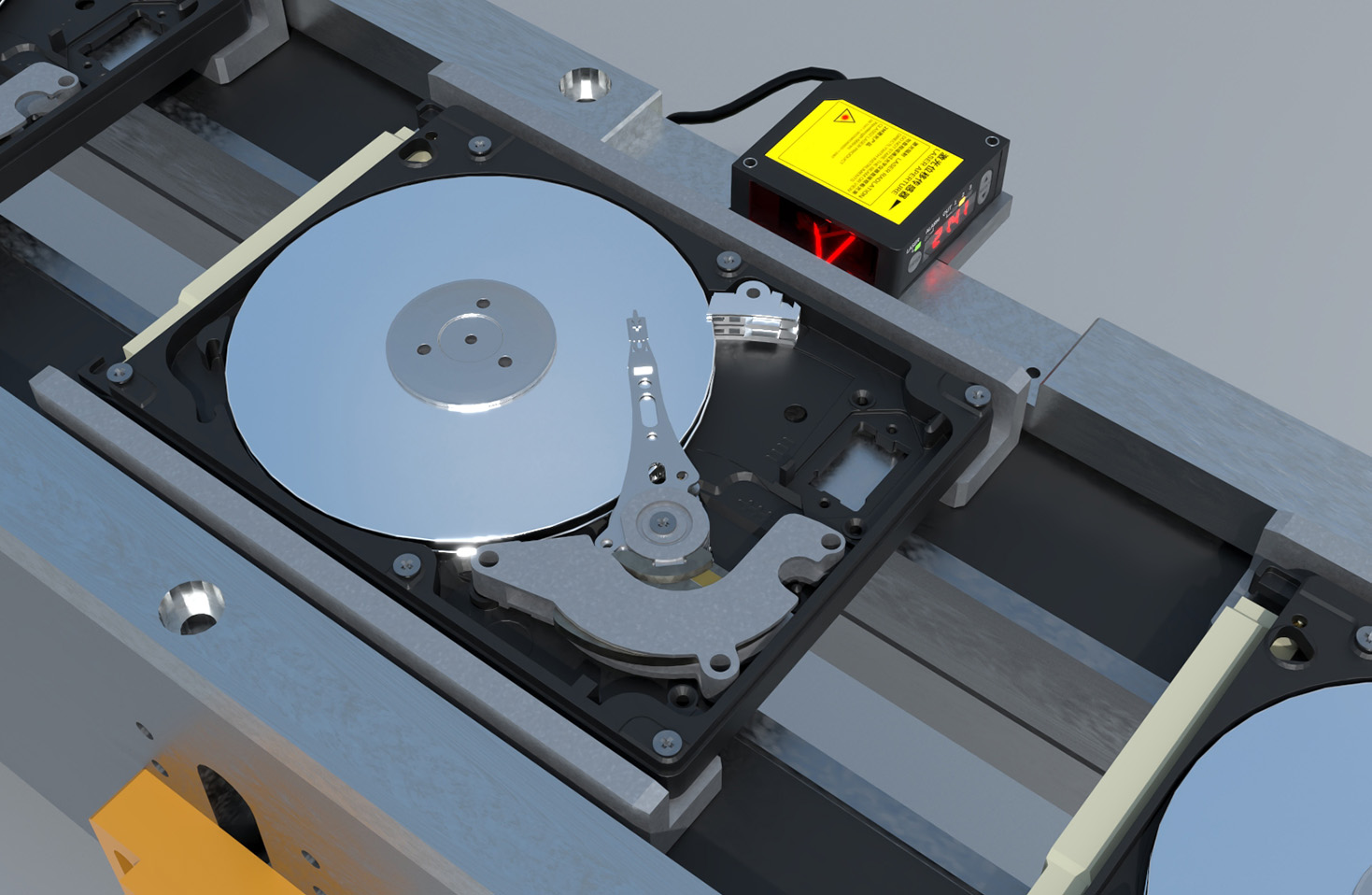
Alternatively, or sometimes complementarily, mechanical wipers can be employed. A motorized blade periodically sweeps across the protective window, physically removing accumulated dust. This method is suitable for environments with heavier, dry particulate matter. The selection of wiper material is crucial to avoid scratching the optical surface. For applications involving sticky residues or moist dust, a combination of a wetting system (a fine solvent mist) with a wiper might be necessary.
The third layer is proactive and involves environmental management. Where possible, relocating the sensor away from the direct line of dust generation or installing local exhaust ventilation can drastically reduce the particulate load. Baffles or simple protective shrouds can deflect larger particles. Ensuring the sensor is not mounted in a location where dust can settle from above due to gravity is a basic but often overlooked step.
Furthermore, sensor selection plays a pivotal role. Some manufacturers offer models with built-in protective features, such as recessed windows that create a shadow zone, making it harder for dust to land perpendicularly on the lens. The choice between a visible red laser and a less-visible infrared laser can also be a factor; while the measurement principle is unaffected, a visible beam can aid in initial alignment and troubleshooting in dusty conditions.
Regular maintenance forms the final, critical layer. Even with the best protections, periodic inspection and cleaning are essential. Maintenance schedules should be based on the observed contamination rate. Cleaning must be performed using approved methods—typically lens tissue and appropriate optical cleaning fluids—to avoid damaging delicate coatings. The system's air filters for purge systems must be checked and replaced to ensure a clean air supply.
In conclusion, protecting laser distance sensors from dust is a systematic engineering challenge that demands a holistic view of the application environment. By integrating robust housing, active cleaning systems like air purges or wipers, thoughtful installation practices, and diligent maintenance, engineers can ensure these critical sensors deliver their promised accuracy and durability. The investment in comprehensive dust protection directly translates into reduced downtime, lower lifecycle costs, and enhanced process reliability, safeguarding not just the sensor, but the productivity of the entire automated system it serves.