In the realm of industrial automation, photoelectric proximity sensors are indispensable components, providing non-contact detection of objects with high precision and reliability. A common and critical question from procurement specialists, system integrators, and engineers is: "How much does a photoelectric proximity sensor cost?" The answer is not a single figure but a spectrum, typically ranging from $20 to $400+ USD per unit, influenced by a complex matrix of technical specifications, brand value, and purchasing channels. This guide delves into the key factors determining sensor pricing to empower your buying decisions.
Core Factors Influencing Photoelectric Sensor Pricing
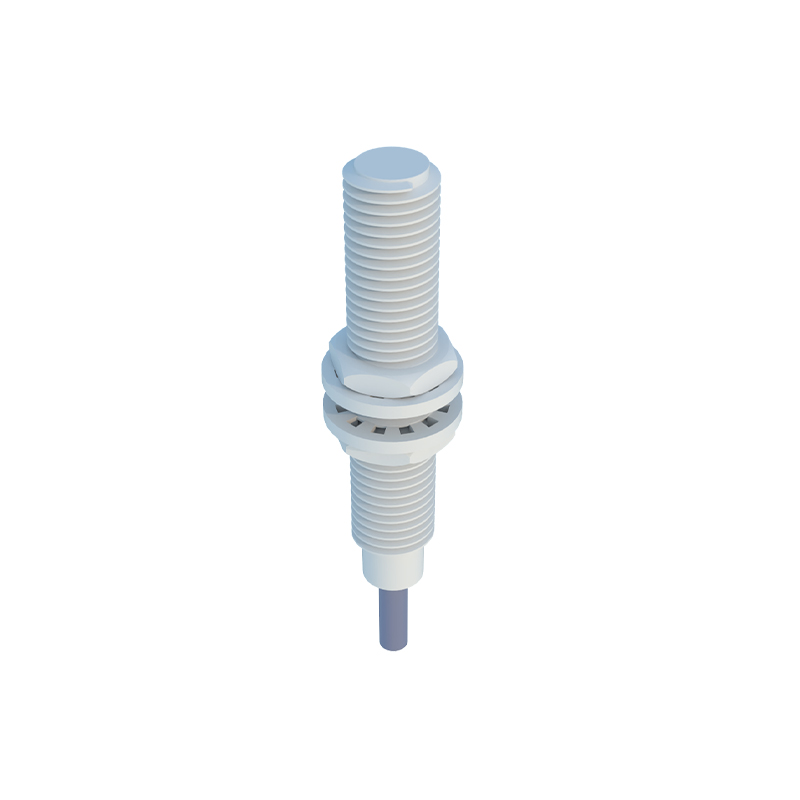
1. Sensing Technology and Type: The fundamental operating principle significantly impacts cost.
Diffuse (Proximity) Sensors: The most common and generally economical type, using light reflection from the target itself. Prices often start around $20 to $80 for standard models.
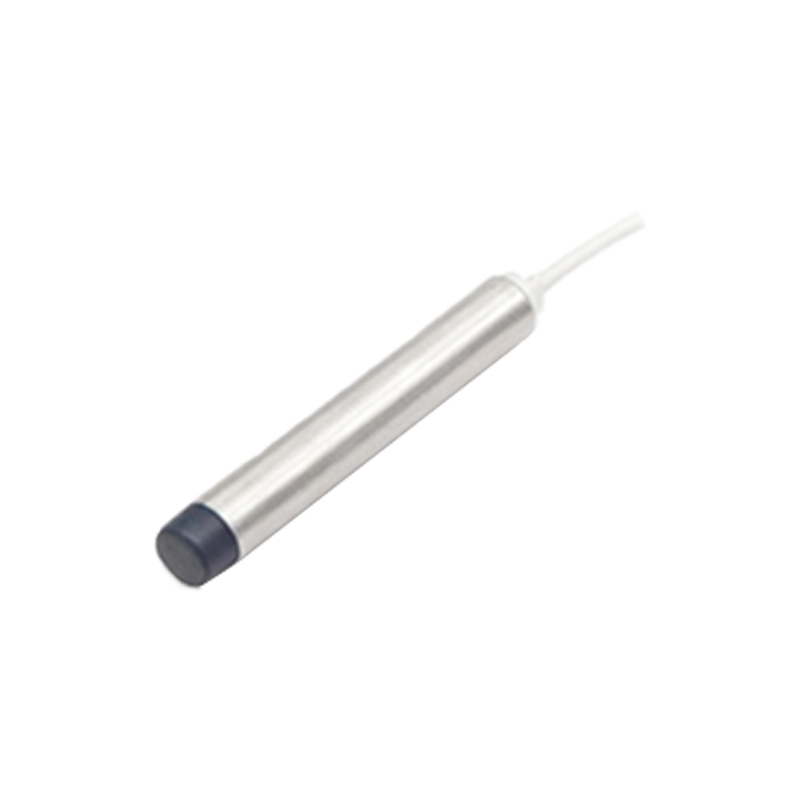
Retro-reflective Sensors: Utilizing a reflector, they offer longer ranges than diffuse models. Expect to pay between $40 and $150.
Through-beam (Thru-beam) Sensors: Comprising separate emitter and receiver units, they provide the longest range and highest reliability. This comes at a higher cost, typically $50 to $200+ for the pair.
Background Suppression (BGS) and Background Elimination (BGE): Advanced diffuse types that ignore objects beyond a set distance. These specialized sensors command a premium, ranging from $80 to $300+.
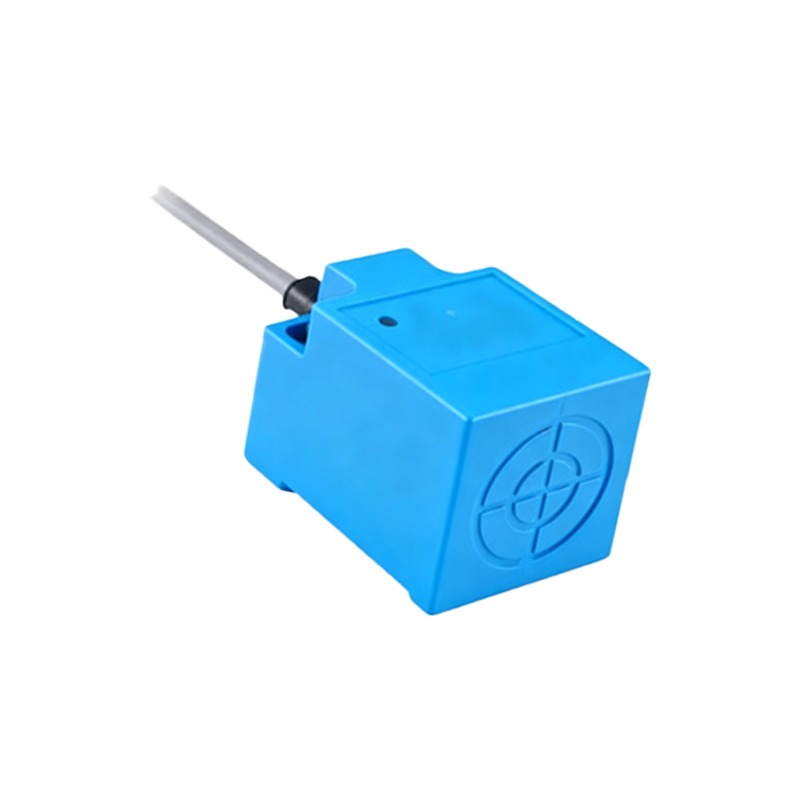
Fiber Optic Sensors: Employing flexible fibers for detection in tight spaces or harsh environments. The amplifier unit and fiber cable are priced separately, with total costs from $100 to $400+.
2. Performance Specifications:
Sensing Range: A sensor with a 10m range will cost substantially more than a 1m range model of the same type.
Light Source: Traditional LED-based sensors are cost-effective. Laser-based sensors, offering precise spot detection and longer ranges, are significantly more expensive.
Output Type: Basic PNP/NPN transistor outputs are standard. Sensors with Analog Current/Voltage (4-20mA, 0-10V), IO-Link (for smart diagnostics and parameterization), or Relay outputs add to the cost.
Response Time: High-speed sensors for fast-moving applications have a higher price tag.
Enclosure Rating: A standard IP67 rating (dust-tight and waterproof) is common. Sensors with IP69K (for high-pressure washdown) or specialized NEMA ratings for corrosive or explosive atmospheres (ATEX/IECEx) involve more robust construction and certification, increasing price dramatically.
3. Brand and Quality Tier:
Global Premium Brands (e.g., Sick, Banner Engineering, Omron, Keyence, Pepperl+Fuchs): Represent the top tier. You pay for extensive R&D, proven reliability, global support, advanced features, and long-term availability. Prices are at the higher end of the spectrum.
Established Industrial Brands (e.g., Allen-Bradley (Rockwell Automation), Schneider Electric, Siemens): Offer strong performance and integration within their automation ecosystems. Pricing is competitive in the mid-to-high range.
Value-Oriented & Generic Brands: Numerous manufacturers offer functionally similar sensors at lower prices, often 30-50% less than premium brands. This can be suitable for non-critical applications but may involve trade-offs in consistency, longevity, and technical support.
4. Purchasing Volume and Channel:
List Price vs. Contract Price: Published distributor prices are often negotiable. OEMs or large-volume buyers secure significant discounts through annual contracts.
Distribution: Buying from authorized distributors ensures genuine products and warranty support. Online marketplaces may offer lower prices but carry risks of counterfeit goods.
Price Range Summary by Application Tier
Basic / Standard Duty: For simple presence detection in benign environments. Diffuse or retro-reflective sensors with standard range and IP67. Approx. $20 - $70.
Performance / General Industrial Duty: For demanding tasks requiring longer range, background suppression, high speed, or specific outputs (analog, IO-Link). Approx. $70 - $200.
Specialized / Heavy Duty: For extreme conditions: long-range through-beam, harsh environments (IP69K, ATEX), laser precision, or high-temperature resistance.