In the realm of industrial automation and precision control, miniature proximity sensors are indispensable components. Their compact size, reliability, and non-contact detection capabilities make them ideal for applications with space constraints and demanding environmental conditions. Understanding their standard parameters is crucial for engineers to select the optimal sensor for a specific task. This guide delves into the key technical specifications that define the performance and application scope of these sensors.
The sensing distance, often termed the nominal sensing distance (Sn), is a fundamental parameter. It represents the theoretical distance at which a standard target will trigger the sensor under defined conditions. For miniature sensors, this distance typically ranges from fractions of a millimeter to several millimeters (e.g., 0.8mm, 1.5mm, 2mm, 4mm, 5mm). It is critical to note the difference between the nominal distance and the effective or usable operating distance, which accounts for manufacturing tolerances and environmental factors, usually specified as 0 to 81% of Sn. The repeatability, or the precision with which the sensor can repeatedly detect a target at the same distance, is another vital metric, often specified in micrometers.
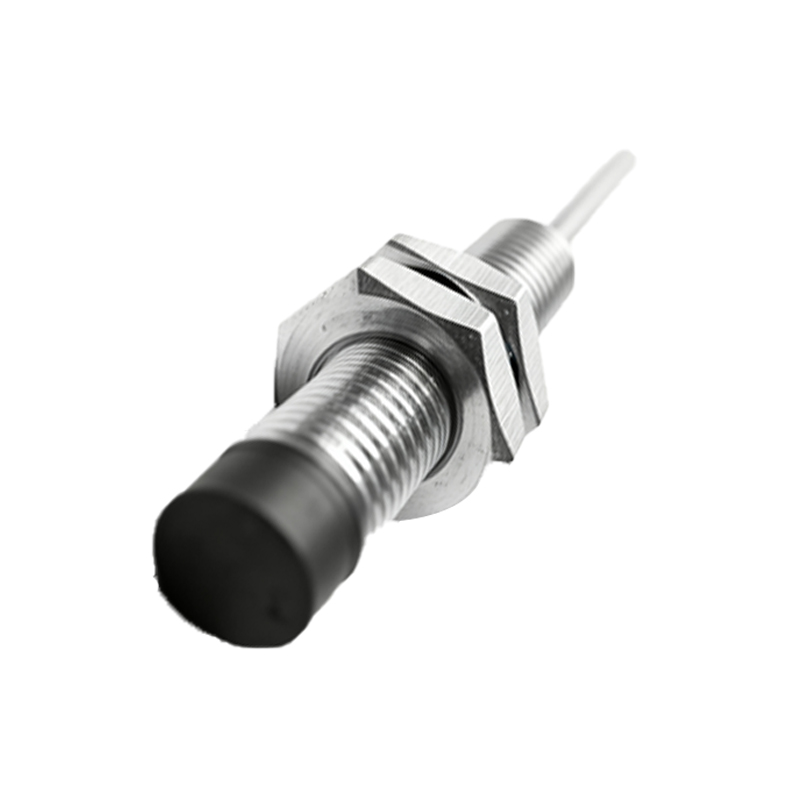
The construction and housing material are paramount, especially for miniature sensors. Common materials include nickel-plated brass, stainless steel (e.g., V2A, V4A/AISI 316), and PBT plastic. The choice affects the sensor's resistance to chemicals, temperature, and mechanical stress. The protection rating, denoted by IP (Ingress Protection) or NEMA standards, indicates resilience against solids and liquids. An IP67 rating, for instance, signifies complete protection against dust and protection against temporary immersion in water, which is common for washdown environments in food and pharmaceutical industries.
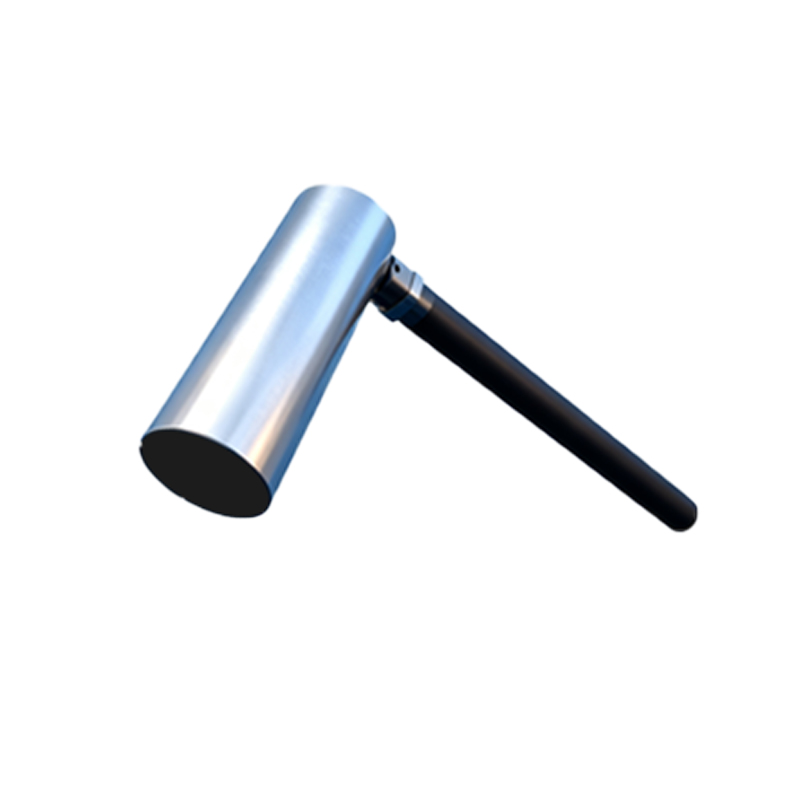
Electrical characteristics form the core of integration. The operating voltage range (e.g., 10-30 VDC, 20-250 VAC) must match the control system's supply. Output configuration is a key decision point: PNP (sourcing) or NNP (sinking) for DC sensors, and normally open (NO) or normally closed (NC) contact types. The load current rating specifies the maximum current the output switch can handle, which must be compatible with the connected device like a PLC input or a relay coil. A short-circuit and overload protection feature is highly desirable for system safety.
Performance under environmental stress is defined by parameters like ambient operating temperature, typically from -25°C to +70°C, and storage temperature. High-quality sensors specify a low temperature drift, meaning the sensing point remains stable across the temperature range. For inductive sensors (the most common type for metal detection), the target material significantly influences the effective sensing distance. A correction factor (e.g., 1.0 for mild steel, 0.3-0.5 for stainless steel, 0.15 for aluminum) is applied to the nominal Sn. The switching frequency, measured in Hertz (Hz), indicates how quickly the sensor can detect objects passing by, which is critical for high-speed counting or positioning applications.
Additional features enhance functionality. Many miniature sensors incorporate an LED status indicator for visual confirmation of operation and diagnostics. For precise adjustment, some models offer teach-in functionality or potentiometers for setting the sensitivity or switching point. The response time, from target detection to output signal change, is usually in the microsecond range, ensuring minimal system latency. Finally, connection methods, such as pre-wired cables (PVC or PUR sheathing), quick-disconnect M8 or M12 connectors, or solder pins, must be chosen based on installation and maintenance needs.
In conclusion, selecting a miniature proximity sensor requires a careful analysis of its standard parameters against the application's mechanical, electrical, and environmental demands. A sensor chosen solely on size and nominal sensing distance may lead to unreliable operation. Engineers must cross-reference the datasheet specifications for sensing distance, housing material, protection rating, electrical output, temperature range, and target material factors to ensure robust, long-lasting, and precise performance in the final automated system. A thorough understanding of these parameters is the foundation of effective sensor integration and system reliability.
SEO Description:Explore the essential standard parameters of miniature proximity sensors, including sensing distance, housing materials, IP ratings, electrical outputs, and environmental specs for optimal industrial automation selection.