In the realm of industrial automation and machine safety, light curtain proximity sensors have become indispensable components. These devices, also known as safety light curtains or optoelectronic protective devices, are designed to safeguard personnel by creating an invisible infrared barrier around hazardous machinery. When this beam is interrupted, the system triggers an immediate stop or safety response, preventing accidents. For engineers, maintenance teams, and procurement specialists seeking reliable sources for these critical safety components, navigating the purchasing landscape requires careful consideration of technical specifications, supplier credibility, and application-specific needs.
Primary procurement channels for light curtain proximity sensors typically include direct manufacturers, authorized distributors, and specialized industrial suppliers. Leading global manufacturers such as SICK AG, Banner Engineering, Keyence, Omron, and Rockwell Automation produce a wide range of models with varying protective heights, resolution, response times, and safety integrity levels (SIL or PL ratings). Purchasing directly from these manufacturers often provides access to comprehensive technical support, customization options, and full certification documentation (e.g., CE, UL, ISO 13849). However, minimum order quantities and lead times may be factors to consider.
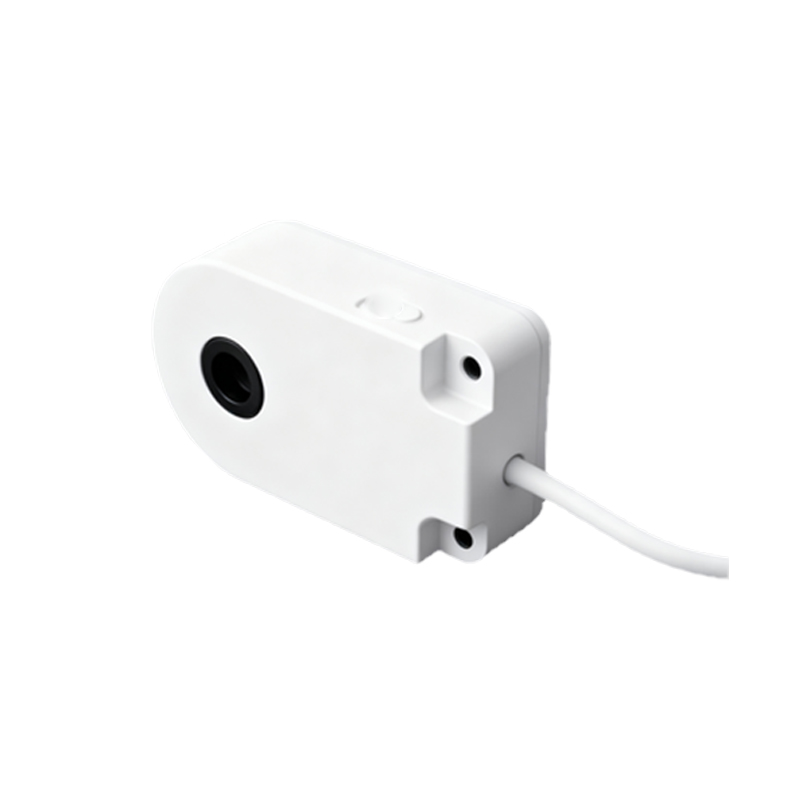
Authorized distributors and industrial suppliers represent another vital channel. Companies like Allied Electronics, Digi-Key, Grainger, and RS Components stock products from multiple manufacturers, offering comparative shopping and often faster shipping for standard models. These distributors are particularly valuable for urgent replacements, small-quantity orders, or when sourcing for pilot projects. Many provide detailed online catalogs with filtering options based on protective field height, sensing range, output type (e.g., PNP, NPN, relay, safety-rated outputs), and connection method (cable or connector). It is crucial to verify that the distributor is officially authorized to sell the branded products to ensure authenticity and warranty validity.
Online marketplaces and B2B platforms have also emerged as significant venues. Websites like Amazon Business, eBay for Business, and industry-specific platforms such as AutomationDirect or Thomasnet.com list numerous options. While these platforms can offer competitive pricing and user reviews, buyers must exercise heightened diligence regarding seller ratings, product authenticity, and compliance with regional safety standards (e.g., ANSI, IEC 61496). Counterfeit or non-compliant safety devices pose severe risks and liability issues.
Before making a purchase, a thorough technical assessment is non-negotiable. Key parameters include the required safety distance (calculated per ISO 13855), the resolution (finger, hand, or body detection), the number of beams, the environmental rating (IP65, IP67 for dust and moisture resistance), and compatibility with existing safety controllers or machinery PLCs. Furthermore, the intended application—whether for point-of-operation guarding, perimeter access control, or hazardous area monitoring—will dictate the sensor type (Type 2 or Type 4 per IEC 61496-1). Type 4 devices offer higher safety performance for more serious hazards.
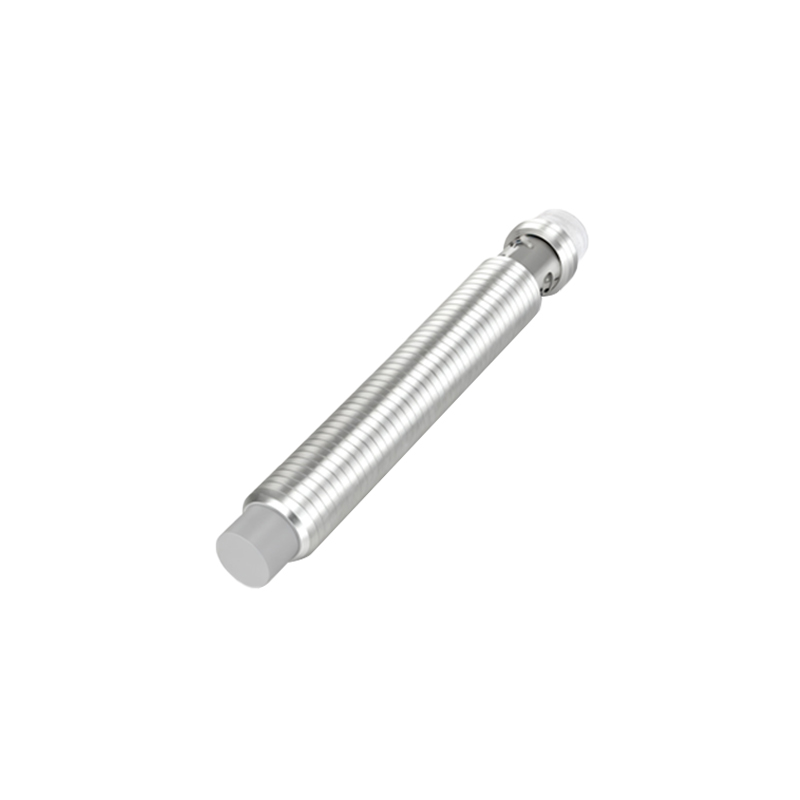
Cost considerations extend beyond the initial unit price. Total cost of ownership encompasses installation accessories (mounting brackets, alignment tools), potential interface modules, maintenance, and lifecycle support. Requesting quotes that include these elements provides a more accurate comparison. Additionally, inquire about calibration services, repair programs, and the availability of spare parts to ensure long-term operational reliability.
For specialized or complex applications, engaging with a systems integrator or a safety solution consultant is highly advisable. These professionals can conduct a risk assessment, recommend the optimal product, and often source and install the complete system. They possess insights into the latest technologies, such as muting functions for material passage or cascading multiple curtains, which might not be evident through standard procurement channels.
In summary, procuring light curtain proximity sensors demands a strategic approach that balances technical rigor with supply chain practicality. Prioritize suppliers who provide transparent certification data, robust technical documentation, and responsive pre-sales and post-sales support. Whether sourcing from a global manufacturer's online store, a trusted industrial distributor's local warehouse, or through a certified systems integrator, the ultimate goal remains unwavering: acquiring a fully compliant, reliable safety component that protects personnel and enhances productivity in industrial environments. Always validate that the selected product carries the appropriate markings and certifications for your region and application to ensure regulatory compliance and, most importantly, worker safety.