In today's increasingly automated and interactive world, proximity sensors are the unseen facilitators, silently enabling countless functions in devices and systems we encounter daily. At their core, these sensors detect the presence or absence of an object within a specified range without any physical contact. This non-contact operation is their defining characteristic, leading to high reliability, long operational life, and the ability to function in harsh environments where dirt, oil, or moisture would compromise mechanical switches.
The principle of operation varies significantly across the main types of proximity sensors, each suited to different applications. Inductive proximity sensors are among the most common. They generate an electromagnetic field and detect changes caused by metallic objects entering this field. These sensors are exceptionally robust, ideal for industrial settings like manufacturing lines for counting metal parts, monitoring machine tool positions, or providing end-of-travel detection for robotic arms. Their limitation is clear: they only detect metals, typically ferrous metals like steel and iron with the greatest sensing range.
For detecting non-metallic objects, capacitive proximity sensors are the tool of choice. They function by generating an electrostatic field and sensing the capacitance change when any object—plastic, wood, liquid, or even a human hand—enters the detection zone. This makes them versatile for applications such as liquid level detection in tanks, material presence sensing in packaging of powders or granules, and touch-sensitive interfaces on appliances. Their sensitivity can often be adjusted, but they can be susceptible to false triggers from environmental humidity or contaminants.
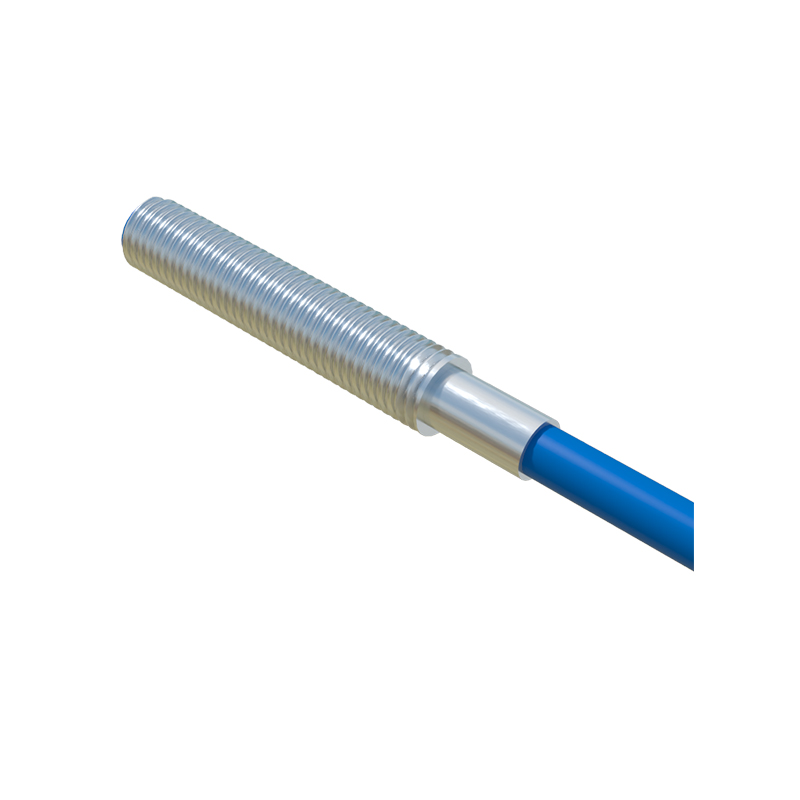
Another widely deployed technology is the photoelectric proximity sensor. This type uses a light emitter (usually an LED producing visible red, infrared, or laser light) and a receiver. It detects an object by either the interruption of the light beam (through-beam mode), the reflection from the object (retro-reflective mode), or the reflection using the sensor's own emitted light (diffuse or proximity mode). Photoelectric sensors offer some of the longest detection ranges and can sense virtually any material, as long as it's not perfectly transparent to the specific wavelength used. You find them in security systems as safety curtains, in automated doors, in conveyor belt sorting systems, and within printers to detect paper.
Ultrasonic proximity sensors operate on a principle similar to sonar. They emit high-frequency sound waves and measure the time it takes for the echo to return from a target object. They are excellent for detecting objects of any material, shape, or color, and are particularly effective in challenging environments with dust, smoke, or fog where optical sensors might fail. Common uses include distance measurement, pallet detection in warehouses, and liquid level sensing in large, open containers.
The application landscape for these sensors is vast. In consumer electronics, a miniature infrared or capacitive proximity sensor in your smartphone disables the touchscreen during a call to prevent accidental cheek-presses. In the automotive sector, they are integral to parking assist systems, detecting obstacles around the vehicle's bumper. Advanced driver-assistance systems (ADAS) rely on arrays of sensors, including radar (a form of microwave proximity sensing), for adaptive cruise control and collision avoidance.
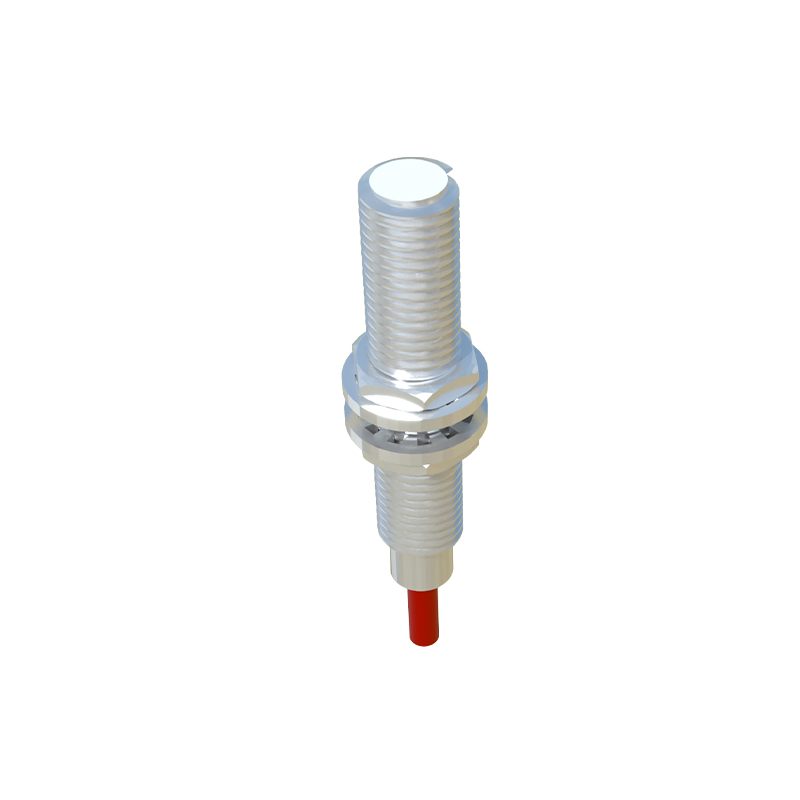
Industrial automation is perhaps the most demanding domain. Here, proximity sensors provide the essential feedback for programmable logic controllers (PLCs), ensuring precision and safety. They confirm the correct positioning of parts in an assembly jig, monitor the speed and position of motors, and safeguard personnel by ensuring safety gates are closed before a machine cycle begins. The choice of sensor depends on the target material, required sensing distance, environmental conditions (temperature, pressure, washdown needs), and required output signal.
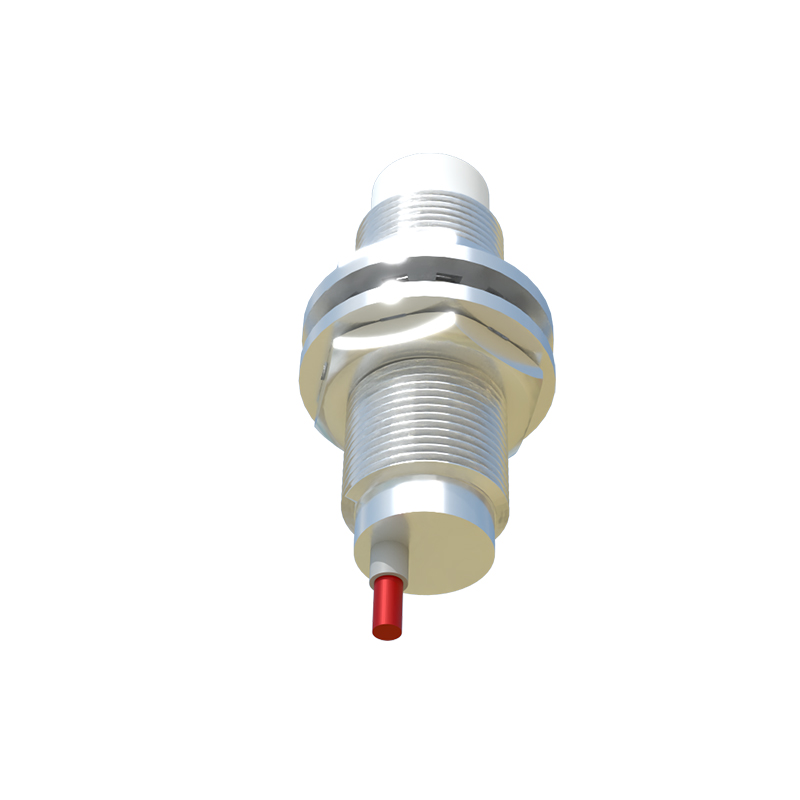
When selecting a proximity sensor, key specifications must be considered. The sensing range, or the maximum distance at which it can reliably detect a standard target, is paramount. Repeatability, or the sensor's ability to consistently detect an object at the same point, is critical for precision. The housing material (often nickel-plated brass or stainless steel for industrial use) determines environmental resilience. Finally, the output type—whether a simple digital switch (NPN or PNP), analog current (4-20 mA), or a digital protocol like IO-Link—defines how it integrates into the larger control system.
As technology evolves, proximity sensors are becoming smarter, smaller, and more integrated. The advent of IO-Link allows for bidirectional communication, enabling remote configuration, diagnostics, and process data exchange. Miniaturization continues to open new applications in medical devices and compact electronics. Fundamentally, as the demand for automation, safety, and intuitive human-machine interaction grows, the role of the humble proximity sensor will only become more central, acting as the essential digital sense of touch for the modern technological world.