In the realm of industrial automation and control systems, photoelectric sensors are indispensable for detecting the presence, absence, or position of objects without physical contact. These sensors operate by emitting a light beam—typically infrared, visible, or laser—and measuring the reflected or interrupted light to determine object proximity. However, the integration of magnetic proximity elements, such as magnets, into photoelectric sensor systems introduces a layer of enhanced functionality, reliability, and application versatility that is often overlooked. This article delves into the technical interplay between magnetic components and photoelectric sensing, exploring their synergistic roles in modern electrical engineering.
Fundamentally, photoelectric sensors rely on optical principles. They consist of an emitter, a receiver, and associated electronics. The emitter projects light toward a target, and the receiver detects changes in light intensity caused by the target's presence. Common types include through-beam, retro-reflective, and diffuse reflective sensors. While effective, these sensors can face challenges in harsh environments—such as those with dust, fog, or intense ambient light—where optical signals may be attenuated or interfered with. This is where magnetic proximity comes into play.
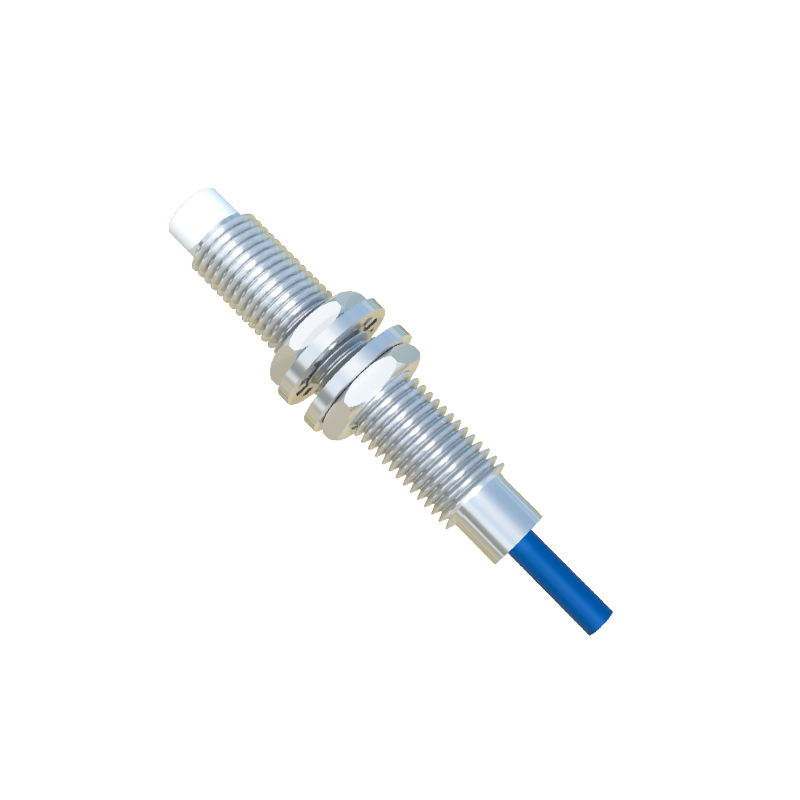
Magnets are not typically part of the core photoelectric sensing mechanism; instead, they serve auxiliary or complementary functions. One primary role is in the mounting and alignment of sensor components. In through-beam sensor setups, for instance, precise alignment between the emitter and receiver is critical for optimal performance. Magnetic bases or brackets can facilitate quick, secure installation and fine-tuning, especially in dynamic or vibration-prone settings. Engineers can use magnetic fixtures to temporarily hold sensors in place during calibration, ensuring accurate beam alignment without permanent mounting until verification is complete. This reduces installation time and minimizes errors, enhancing overall system efficiency.
Another significant application is in the context of magnetically actuated photoelectric sensors. Some specialized sensors incorporate a magnetic field detection element alongside the optical system. These hybrid sensors can trigger or modulate their optical detection based on magnetic proximity. For example, in safety systems, a magnet might be attached to a guard door. When the door opens, the magnet moves away from the sensor, causing a magnetic field change that activates the photoelectric sensor to shut down machinery. This dual-sensing approach adds redundancy, improving fail-safe operation in critical industrial environments like manufacturing lines or robotic cells.
Moreover, magnetic proximity aids in overcoming environmental limitations of pure photoelectric sensors. In applications where contaminants like oil, grease, or metal shavings could obscure optical lenses, a magnet can be used to detect ferrous objects indirectly. While the photoelectric sensor handles non-ferrous materials, the magnetic component ensures reliable detection of magnetic metals, providing a comprehensive solution. This is particularly valuable in material handling, sorting systems, and automotive assembly, where diverse object types must be identified swiftly.
From a technical perspective, the integration involves careful consideration of magnetic interference. Strong magnetic fields can potentially affect the electronic circuitry of photoelectric sensors, leading to false readings or reduced sensitivity. Engineers must design systems with proper shielding, select sensors with robust electromagnetic compatibility (EMC), and position magnets at a safe distance from sensitive components. Advances in sensor technology have led to the development of models with built-in immunity to magnetic influences, allowing for closer integration without performance degradation.
In summary, magnetic proximity enhances photoelectric sensors by improving installation precision, enabling hybrid sensing for safety and redundancy, and extending applicability to challenging environments. This combination leverages the strengths of both optical and magnetic detection methods, offering engineers a flexible toolset for complex automation tasks. As industries evolve toward smarter, more resilient systems, understanding and utilizing this synergy will remain key to optimizing sensor-based control networks. Future trends may see further integration, such as IoT-enabled sensors with magnetic calibration features, driving innovation in electrical engineering.