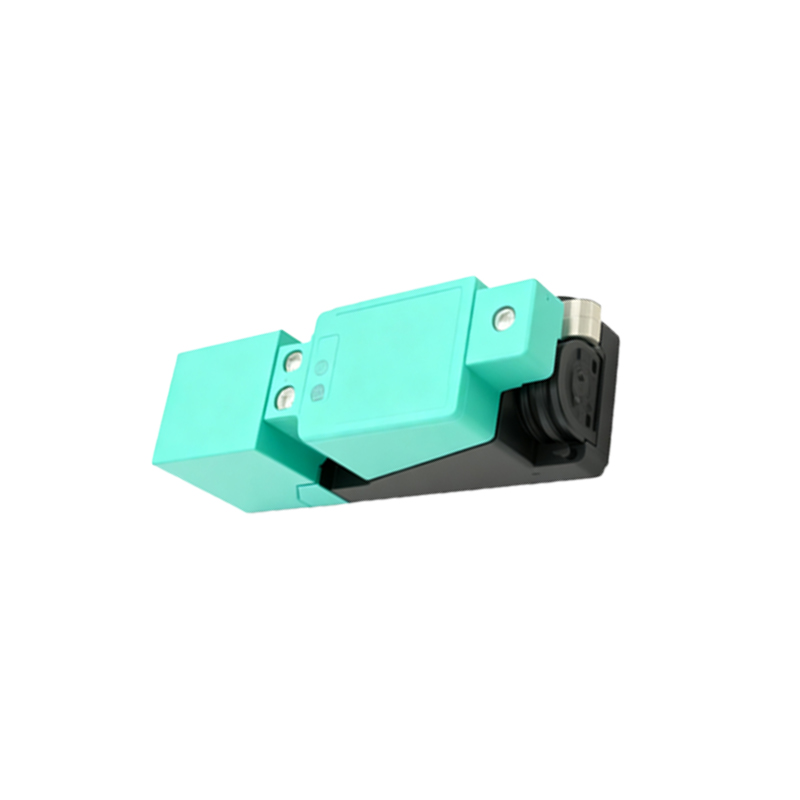
In modern industrial automation, proximity sensors serve as critical components for detecting the presence or absence of objects without physical contact. Their reliability directly impacts operational safety and efficiency. One advanced feature increasingly adopted in high-end applications is "play protection enablement," a functionality designed to enhance sensor performance and longevity in dynamic environments.
Play protection refers to a set of electronic and mechanical adjustments that minimize false triggers or signal degradation caused by mechanical play, vibration, or minor misalignments. In industrial settings, machinery often experiences subtle movements due to thermal expansion, wear, or external forces. Without play protection, proximity sensors might misinterpret these movements as actual object detection, leading to erroneous system responses such as unintended stoppages or faulty process cycles. Enabling play protection involves configuring the sensor's hysteresis, response time, and sensing range to tolerate minor fluctuations while maintaining accurate detection of true targets.
The implementation typically starts with selecting sensors equipped with programmable parameters. Many inductive, capacitive, and ultrasonic proximity sensors now include digital interfaces or teach-in buttons that allow engineers to activate play protection modes. For instance, by adjusting the hysteresis band—the difference between the switch-on and switch-off points—the sensor can ignore small positional changes. A wider hysteresis reduces sensitivity to vibration but requires careful calibration to avoid missing genuine detections. Similarly, extending the response time filter helps smooth out rapid signal variations, though it may not be suitable for high-speed applications.
Installation practices also play a role. Proper mounting, using rigid brackets and avoiding over-torquing, minimizes inherent mechanical play. Regular maintenance checks ensure that sensor alignment remains within specified tolerances. In conveyor systems or robotic arms, where repetitive motion is common, enabling play protection can reduce downtime by preventing nuisance faults. Case studies from automotive assembly lines show that enabling this feature decreased false triggers by up to 40%, improving overall equipment effectiveness (OEE).
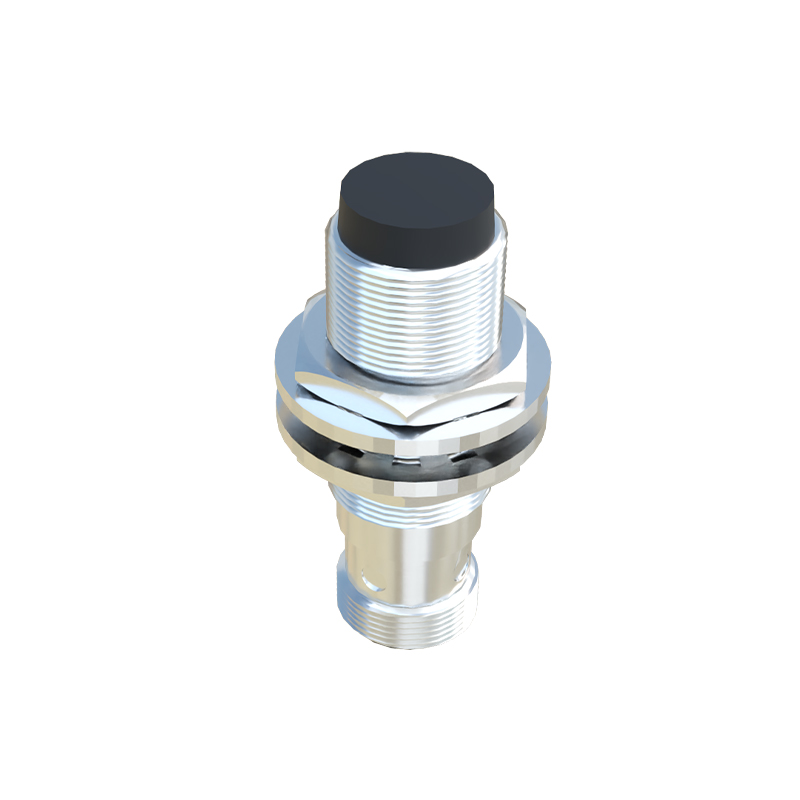
However, play protection is not a universal solution. Over-adjustment might mask genuine problems like bearing wear or structural loosening. Engineers must balance protection with diagnostic sensitivity, often using condition monitoring tools to track sensor performance trends. Additionally, environmental factors such as temperature swings or electromagnetic interference should be considered during configuration.
In summary, enabling play protection in proximity sensors is a nuanced yet valuable strategy for enhancing industrial reliability. It requires a deep understanding of both sensor technology and application dynamics. As Industry 4.0 advances, integrating smart sensors with IoT platforms will further optimize play protection settings through predictive analytics, paving the way for more resilient automation systems.