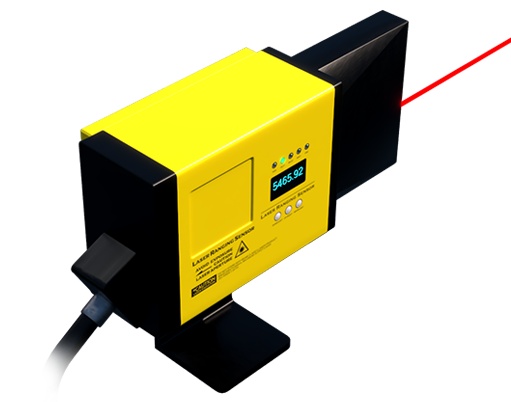
Methane laser sensors represent a critical technology for industrial safety, environmental monitoring, and process control. At their core, these sensors operate on the principle of Tunable Diode Laser Absorption Spectroscopy (TDLAS). A laser diode emits a specific wavelength of light that is selectively absorbed by methane (CH4) molecules. By measuring the degree of light absorption, the sensor can precisely calculate the methane concentration in the target environment. The performance and reliability of these systems hinge on several key components working in concert.
The laser source is the heart of the sensor. Typically, a distributed feedback (DFB) laser diode is used, tuned to an absorption line of methane in the near-infrared spectrum, often around 1653 nm. The stability and precise tunability of this laser are paramount. It is mounted within a temperature-controlled housing, as even minor thermal fluctuations can cause wavelength drift, leading to measurement inaccuracies. The laser driver electronics provide the precise current modulation needed to tune the laser wavelength across the absorption feature.
Following the laser source is the optical path. This includes collimating lenses to shape the laser beam into a narrow, coherent path and optical windows that allow the beam to enter and exit the measurement chamber or probe. For open-path sensors, the beam travels through the open air over distances that can exceed hundreds of meters, reflecting off a retroreflector back to the detector. For in-situ probes, the beam traverses a carefully designed gas cell where the sample is introduced. The integrity of these optical surfaces is crucial; any contamination or degradation can attenuate the signal.

The photodetector is the component that converts the optical signal back into an electrical one. An indium gallium arsenide (InGaAs) photodiode is commonly employed for its sensitivity in the relevant infrared range. The detector must have a fast response time to capture the modulated signal and high sensitivity to detect the often-subtle changes in light intensity caused by low methane concentrations. It is often paired with a transimpedance amplifier to boost the weak electrical signal.
The signal processing electronics form the brain of the system. This module receives the raw electrical signal from the detector. Sophisticated algorithms, often based on wavelength modulation spectroscopy (WMS) or direct absorption techniques, are employed to extract the absorption information from the signal, filtering out noise from ambient light, vibration, and other interferents. A microcontroller or digital signal processor (DSP) executes these algorithms in real-time, outputting a stable, calibrated concentration reading.
Supporting these core components are several auxiliary systems. A robust mechanical housing, often rated to IP67 or similar, protects the delicate internals from dust, moisture, and physical impact. Temperature and pressure sensors are frequently integrated to provide data for compensation algorithms, ensuring readings are accurate under varying environmental conditions. Finally, communication interfaces (4-20 mA analog, Modbus, HART, or wireless protocols) allow the sensor to integrate seamlessly into plant control and safety systems.

In industrial settings like natural gas processing plants, coal mines, wastewater treatment facilities, and biogas production sites, the selection and maintenance of these components directly impact operational safety and regulatory compliance. Understanding the function and interdependence of the laser, optics, detector, and processing unit empowers engineers to specify the right sensor for the application, troubleshoot issues effectively, and maintain a reliable methane monitoring system. Regular calibration against certified gas standards is essential to ensure the long-term accuracy of all these components working together.