In the demanding environment of industrial automation, proximity switch sensors are indispensable components, providing non-contact detection of metallic and, in some cases, non-metallic objects. Their reliability is paramount to the seamless operation of machinery, production lines, and safety systems. One critical, yet often under-discussed, manufacturing step that significantly bolsters this reliability is the potting process. This procedure involves encapsulating the sensor's internal electronic assembly within a protective compound, a practice that elevates the sensor's performance, longevity, and resilience against harsh operational conditions.
The primary objective of potting a proximity switch sensor is to create a robust, hermetic seal around its sensitive circuitry. This encapsulation serves multiple vital functions. Firstly, it provides exceptional protection against environmental ingress. Industrial settings are rife with contaminants such as moisture, dust, cutting fluids, coolants, and chemical vapors. Unprotected, these elements can cause short circuits, corrosion of solder joints and traces, and ultimately, catastrophic sensor failure. A properly selected and applied potting compound forms an impenetrable barrier, ensuring the internal components remain isolated from these hazards.
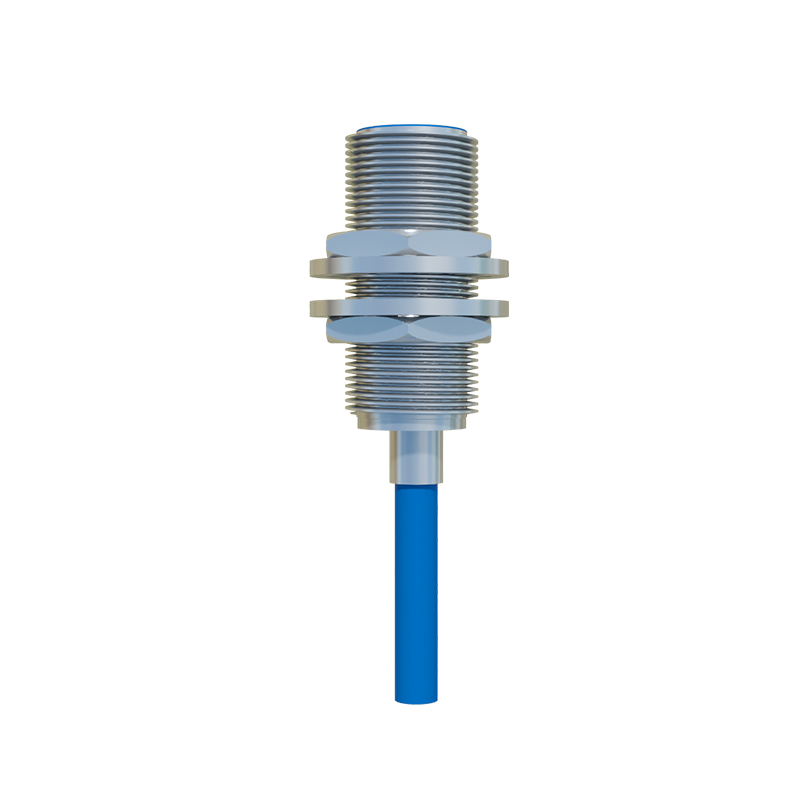
Secondly, potting dramatically enhances mechanical stability and shock resistance. Sensors in applications like material handling, stamping presses, or mobile equipment are subject to constant vibration, mechanical shock, and impact. The potting material acts as a structural support, immobilizing components like integrated circuits, capacitors, and wire connections. This damping effect prevents fatigue failure of solder joints, reduces the risk of component breakage from shock, and mitigates micro-vibrations that could lead to signal noise or intermittent operation.
Furthermore, potting improves the thermal management characteristics of the sensor. Many potting compounds exhibit good thermal conductivity, helping to dissipate heat generated by the sensor's internal electronics to the external metal housing. This prevents the buildup of excessive heat, which can degrade component performance and shorten operational life. Additionally, the potting compound provides excellent electrical insulation, preventing internal arcing and improving dielectric strength, which is crucial for sensors operating in high-voltage environments or where electrical noise is prevalent.
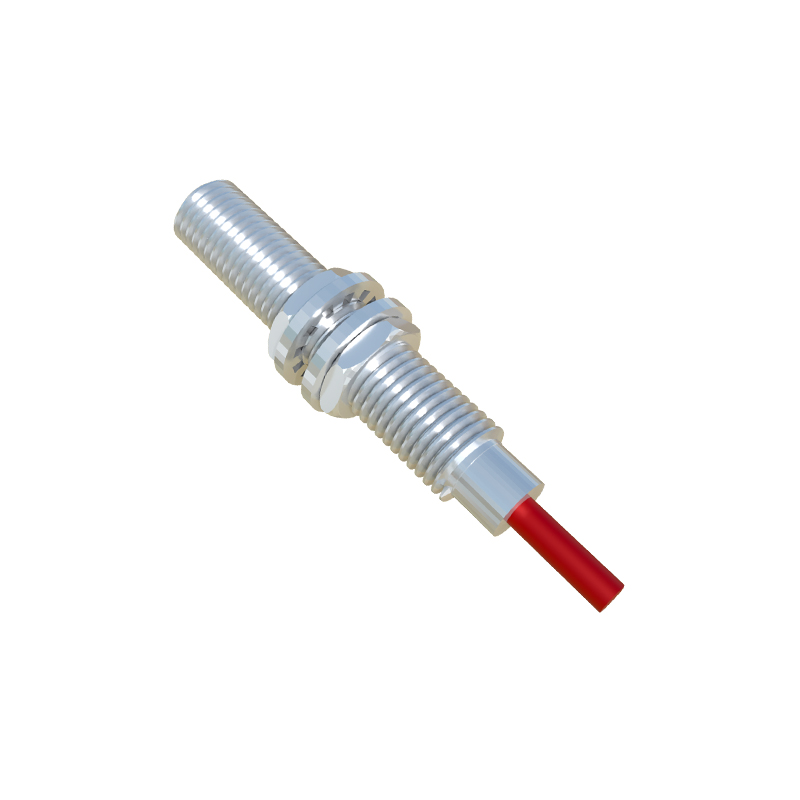
The selection of the potting material is a science in itself, tailored to the sensor's specific application. The most common types include:
Epoxy Resins: Known for their high strength, excellent chemical resistance, and good adhesion to various substrates. They offer a rigid encapsulation, ideal for sensors requiring maximum mechanical protection.
Polyurethane Resins: These compounds offer a degree of flexibility, providing superior resistance to thermal cycling and mechanical stress. They are less brittle than epoxies, making them suitable for applications with significant vibration or where the sensor housing may experience slight flexing.
Silicone Gels and Elastomers: Offering the highest level of flexibility and excellent performance across a wide temperature range. Silicones provide outstanding moisture resistance and are often used in applications requiring extreme thermal stability or where dampening of very high-frequency vibrations is necessary.
The potting process must be meticulously controlled. It begins with thorough cleaning and preparation of the sensor assembly to ensure optimal adhesion. The mixed potting compound is then carefully dispensed, often under vacuum to eliminate air bubbles that could create voids and weaken the protection. The filled unit is then cured under controlled temperature and humidity conditions to achieve the desired physical properties. Critical process parameters include pot life, viscosity, cure time, and exothermic reaction heat, all of which must be managed to avoid damaging sensitive components during encapsulation.
For engineers specifying or maintaining these systems, understanding potting is key. A potted sensor, identifiable by its typically sealed, non-serviceable housing, is the preferred choice for harsh-duty applications—outdoor use, washdown areas in food and beverage, machining centers, foundries, and mining. In contrast, unpotted or minimally sealed sensors might suffice for clean, controlled environments but carry a higher risk of premature failure elsewhere.
In conclusion, the potting of proximity switch sensors is far more than a simple filling operation; it is a critical engineering process that transforms a standard electronic device into a ruggedized industrial component. By providing comprehensive defense against environmental, mechanical, and electrical challenges, potting ensures that proximity sensors deliver the unwavering reliability and extended service life demanded by modern industry. This behind-the-scenes technology is a cornerstone of operational uptime, making it an essential consideration in the design, selection, and application of industrial sensing solutions.