The landscape of industrial automation and smart technology is undergoing a transformative shift, driven by the relentless pursuit of precision, reliability, and efficiency. At the heart of this evolution lies the proximity sensor—a critical component enabling non-contact detection, object positioning, and safety mechanisms across countless applications. Today, we step inside a state-of-the-art proximity sensor manufacturing plant, a facility engineered not merely to produce sensors but to redefine the benchmarks of quality and innovation in the industry.
From the moment one enters the facility, the emphasis on a controlled, clean environment is palpable. The production floor is organized into modular cleanrooms, each dedicated to a specific stage of sensor assembly. This segregation minimizes particulate contamination, a crucial factor given the sensitivity of micro-electromechanical systems (MEMS) and inductive/capacitive sensing elements. Automated guided vehicles (AGVs) glide silently along predefined pathways, transporting raw materials—such as high-grade ferrite cores, precision-wound coils, specialized polymers for housings, and semiconductor wafers—to various workstations. The material handling system is integrated with a real-time inventory management platform, ensuring just-in-time delivery and traceability for every component batch.
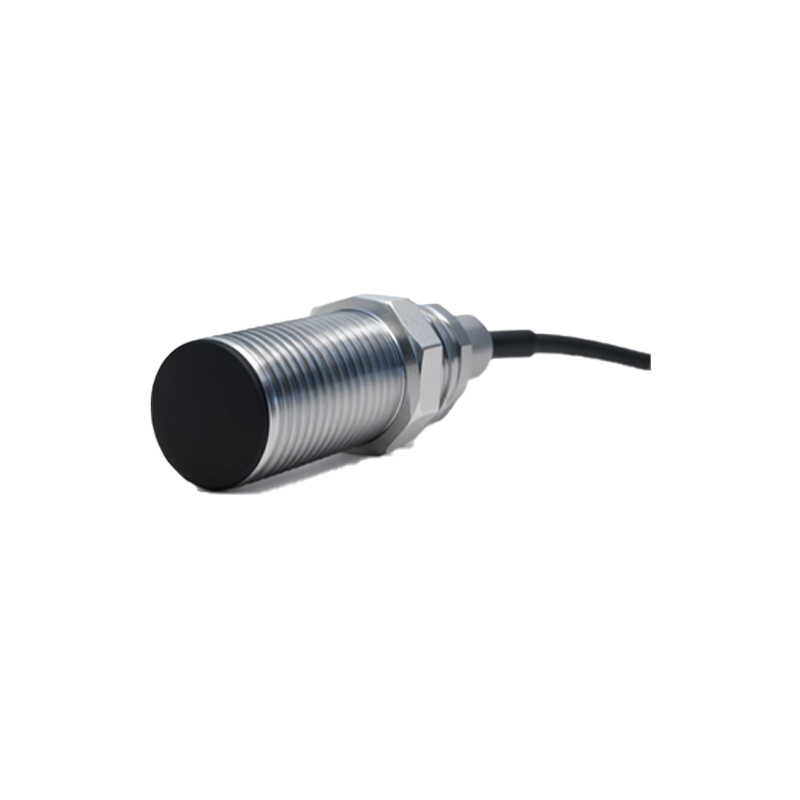
The core of the manufacturing process begins with the fabrication of sensing elements. For inductive proximity sensors, this involves automated winding machines that coil copper wire with micron-level precision onto ferrite cores. These machines are calibrated daily using laser measurement systems to guarantee consistent inductance values. Adjacent lines handle capacitive and photoelectric sensor elements, where robotic arms place photodiodes, LEDs, and oscillator circuits onto ceramic substrates using surface-mount technology (SMT). Each placement is verified by high-speed vision systems that detect even sub-millimeter deviations, rejecting any misaligned component instantly.
Following assembly, sensors undergo a rigorous encapsulation process. Here, advanced injection molding machines form rugged, IP67-rated housings from engineering-grade plastics. The encapsulation is performed in an inert gas atmosphere to prevent oxidation and ensure optimal sealing of internal electronics. Post-encapsulation, each sensor unit moves to the calibration and testing bay—arguably the most critical phase. Automated test benches subject sensors to a battery of evaluations: response time measurement under varying distances, temperature cycling from -25°C to 70°C, immunity to electromagnetic interference (EMI), and long-duration stress tests simulating years of operation. Data from every test is logged into a centralized quality database, creating a digital twin for each sensor. Any unit failing to meet the stringent tolerance thresholds—often within micrometers for detection range—is automatically diverted for diagnostic analysis.
What sets this new plant apart is its deep integration of Industry 4.0 principles. The entire manufacturing execution system (MES) is interconnected with IoT sensors monitoring equipment health, energy consumption, and environmental conditions. Predictive maintenance algorithms analyze vibration and thermal data from machinery, scheduling preemptive repairs before failures occur. Furthermore, the facility employs machine learning models to refine production parameters continuously. By analyzing historical test data, these models optimize coil winding tension or curing times for epoxy, gradually enhancing yield rates and product consistency.
Sustainability is another cornerstone of the plant’s design. A closed-loop water system treats and recycles coolant used in machining processes. Solar panels installed on the roof supply a significant portion of the facility’s energy needs, while heat recovery systems capture waste thermal energy from encapsulation units to warm office spaces during colder months. The commitment extends to packaging, where biodegradable materials have replaced traditional plastics.
The plant also features an on-site research and development wing, where engineers collaborate on next-generation sensing technologies. Current projects include the development of multi-functional sensors capable of simultaneous proximity, temperature, and pressure sensing, as well as miniaturized designs for wearable and medical devices. Prototypes are tested in simulated real-world environments within adjacent labs, accelerating the innovation cycle from concept to production.
In conclusion, this new proximity sensor manufacturing facility represents a paradigm shift in how industrial components are built. It merges precision engineering with digital intelligence and environmental stewardship, setting a new global standard. For industries ranging from automotive and aerospace to consumer electronics and robotics, the sensors emerging from this plant promise not only enhanced performance but also greater integration into the interconnected ecosystems of tomorrow. The future of sensing is here, and it is being crafted with unparalleled rigor and vision.