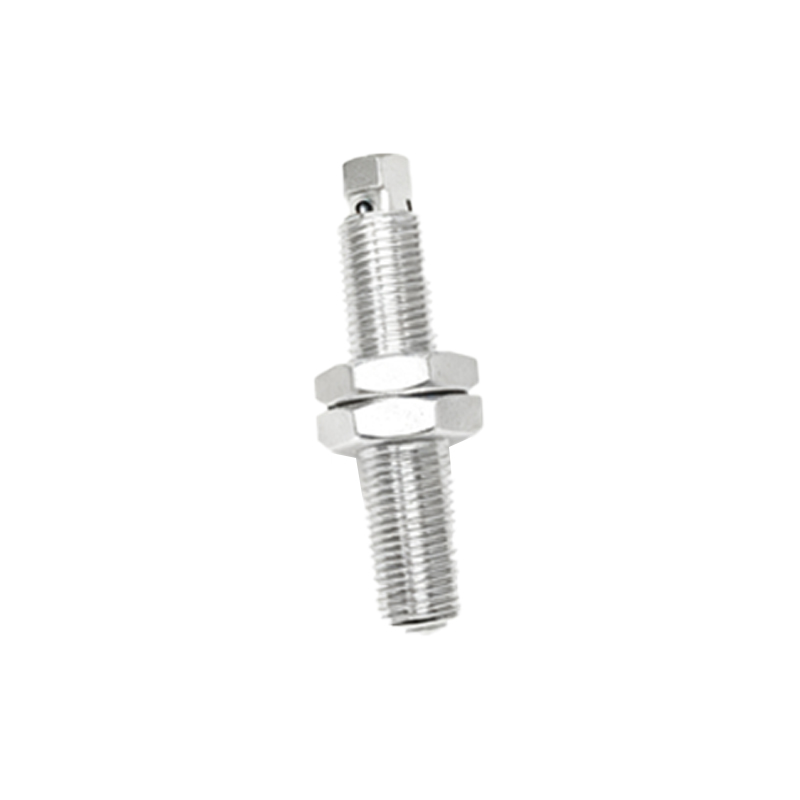
In the realm of industrial automation and smart device design, the ability to detect the presence or absence of an object without physical contact is paramount. Among the various non-contact sensing technologies, the flat plate capacitive proximity sensor stands out for its unique capabilities and versatility. Unlike its inductive counterpart, which primarily detects metals, the capacitive sensor can sense a wide range of materials, including liquids, plastics, wood, and even granular substances, making it an indispensable tool in diverse applications.
The fundamental operating principle is based on changes in capacitance. A capacitive sensor essentially functions as an open capacitor. Its active surface, typically a flat metal plate, forms one electrode. The target object acts as the second electrode, and the air gap between them serves as the dielectric. When an object enters the sensor's electrostatic field, it alters the dielectric constant of the space between the electrodes. This change increases the capacitance of the system. The sensor's internal oscillator circuit detects this increase. Once the capacitance reaches a pre-set threshold, the sensor triggers a switching action, sending an output signal to the control system. This entire process occurs without any physical contact, ensuring no wear and tear on the sensor or the target.
The "flat plate" design is a key differentiator. This geometry provides a wide, uniform sensing field directly in front of the sensor face. This is particularly advantageous for detecting large surface areas, level sensing of materials in tanks or silos, or applications where the exact position of the target may vary slightly. The sensing range is generally shorter than that of inductive sensors but is sufficient for many precision applications. A critical feature is the ability to adjust the sensitivity, often via a potentiometer on the sensor housing. This allows technicians to "tune" the sensor to ignore certain background materials (like a container wall) and focus on the target material, preventing false triggers.
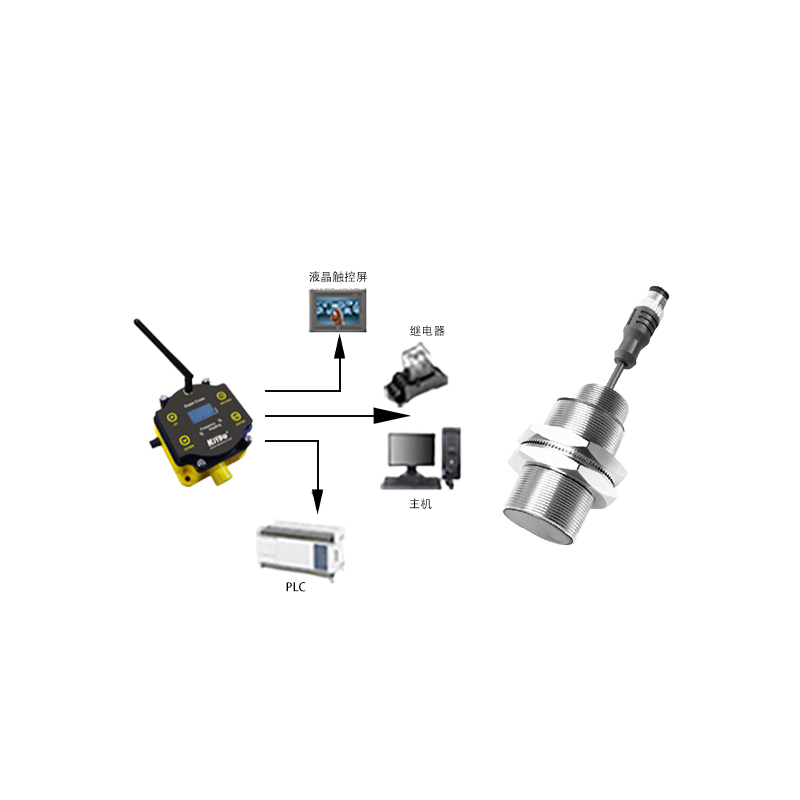
The applications for flat plate capacitive sensors are extensive. In packaging and material handling, they reliably detect the presence of cardboard boxes, plastic bottles, or stacks of paper. In the food and beverage industry, they are ideal for liquid level control in non-metallic tanks, detecting the fill level of yogurt, juice, or granular products like sugar and flour. Woodworking and plastics processing utilize them to monitor material presence on conveyor belts. Furthermore, they play a crucial role in modern consumer electronics, often embedded beneath glass or plastic surfaces to create touch-sensitive interfaces or proximity detection for power saving in smartphones and tablets.
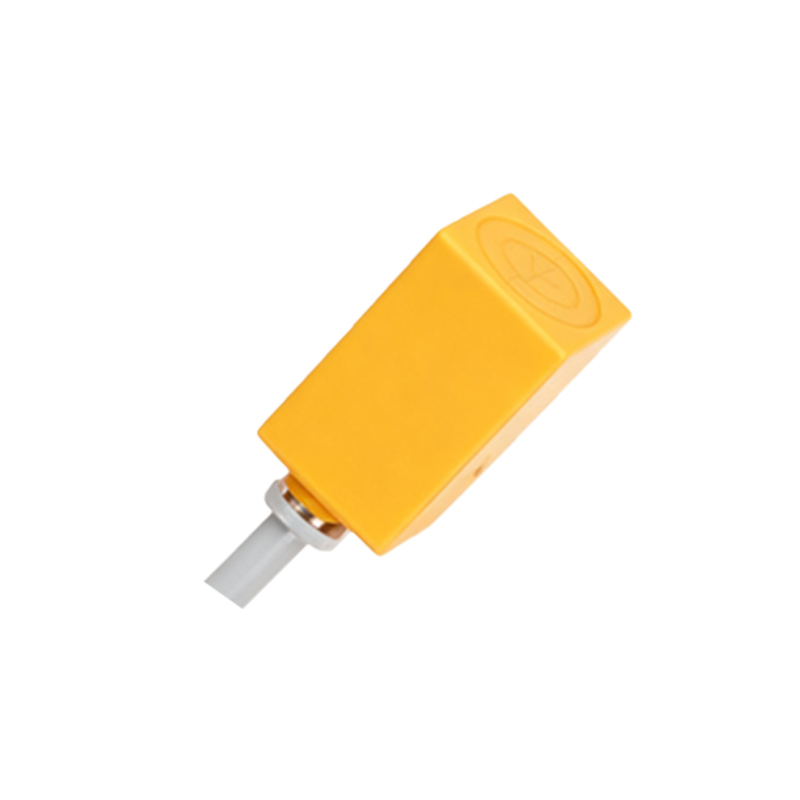
Selecting the right sensor requires careful consideration of several parameters. First, the sensing distance, which is rated for a standard target (often metal). For non-metallic materials, the effective sensing range is reduced, and derating factors provided by the manufacturer must be applied. The housing material is also vital; sensors for harsh environments feature robust stainless steel or PBT plastic housings with high IP ratings for protection against dust and water ingress. Output type is another decision point: PNP (sourcing) and NPN (sinking) transistor outputs are common for DC sensors, while some applications may require analog (4-20mA, 0-10V) or IO-Link outputs for continuous distance measurement data. Finally, the mounting style—flush or non-flush—affects performance. Flush-mounted sensors can be installed embedded in metal without affecting their operation, whereas non-flush sensors offer longer ranges but require clearance from surrounding metal.
Installation and maintenance are straightforward but demand attention to detail. Sensors must be mounted securely to minimize vibration. It is essential to ensure that no unintended conductive objects are within the sensing field, as they can cause interference. Regular cleaning of the active surface is recommended, as accumulated dust, moisture, or grease can alter the dielectric properties and affect sensitivity. For challenging environments with extreme temperatures or aggressive chemicals, selecting sensors with appropriate certifications and housing materials is non-negotiable.
In conclusion, the flat plate capacitive proximity sensor is a highly adaptive and reliable component in the automation toolkit. Its ability to interact with nearly any material through a non-contact method solves complex detection challenges across industries. By understanding its operating principles, key features, and application requirements, engineers and technicians can effectively integrate these sensors to enhance system reliability, improve process efficiency, and enable innovative user interface designs. As technology advances, we can expect these sensors to become even more integrated, intelligent, and capable, continuing to bridge the gap between the physical and digital control worlds.