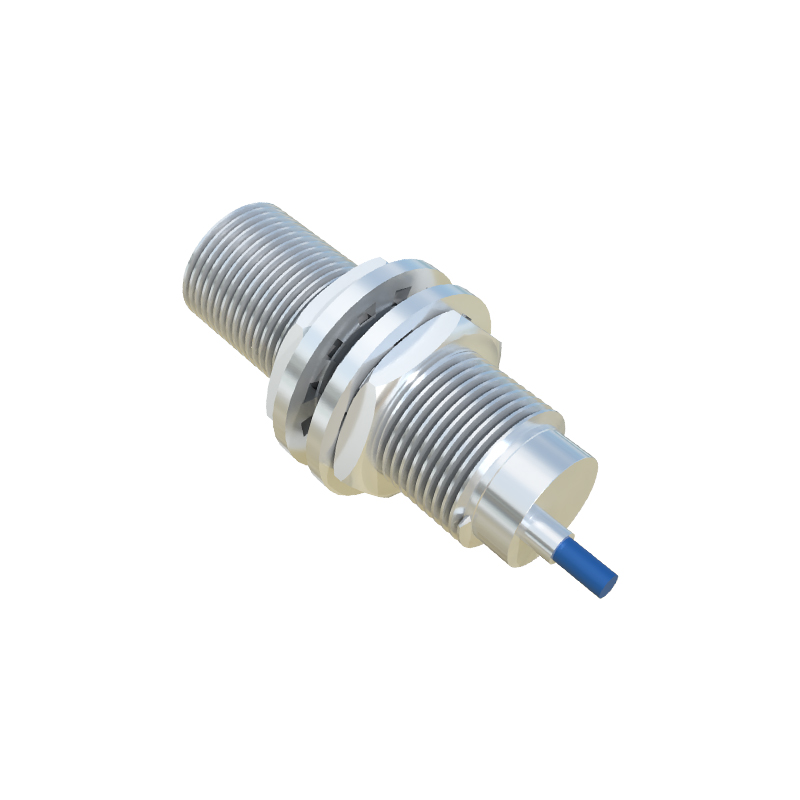
Proximity sensors are essential components in modern industrial automation, enabling non-contact detection of objects within a specified range without physical interaction. These devices enhance efficiency, safety, and precision in various applications by converting the presence or absence of an object into an electrical signal. Based on their operating principles, proximity sensors are primarily categorized into inductive, capacitive, ultrasonic, and photoelectric types, each suited for specific environments and materials.
Inductive proximity sensors are widely used for detecting metallic objects. They operate by generating an electromagnetic field that induces eddy currents in conductive materials, triggering a change in the sensor's output. These sensors are ideal for harsh industrial settings due to their robustness, resistance to dust, moisture, and vibrations. Common applications include position sensing in machinery, metal detection in conveyor systems, and safety interlocks in automated equipment. For instance, in automotive assembly lines, inductive sensors monitor the presence of engine components, ensuring accurate placement and preventing malfunctions.
Capacitive proximity sensors can detect both metallic and non-metallic materials, such as plastics, liquids, and granular substances. They function by measuring changes in capacitance caused by the presence of an object within an electrostatic field. This versatility makes them suitable for level detection in tanks, material handling in packaging industries, and touch-sensitive interfaces. In food processing, capacitive sensors monitor liquid levels in containers, preventing overflow and optimizing resource usage. However, they may be sensitive to environmental factors like humidity, requiring careful calibration.
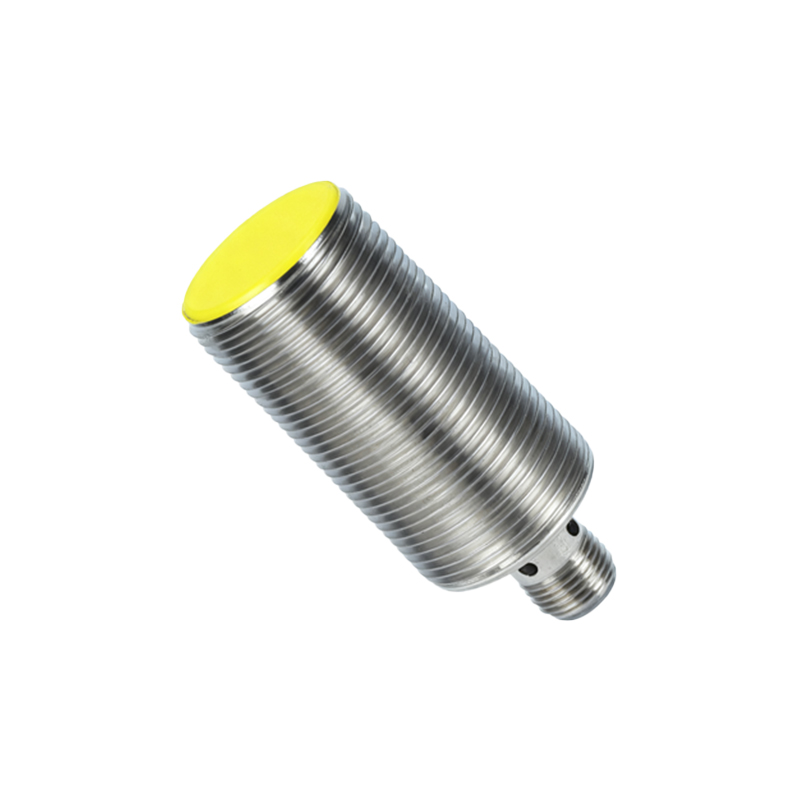
Ultrasonic proximity sensors utilize sound waves beyond human hearing to detect objects. By emitting high-frequency pulses and analyzing the reflected signals, these sensors calculate distance and presence, regardless of material composition. They excel in applications requiring long-range detection or challenging conditions, such as transparent or irregularly shaped objects. Examples include obstacle avoidance in autonomous vehicles, liquid level measurement in chemical plants, and object counting in logistics. Their non-contact nature minimizes wear and tear, though performance can be affected by temperature variations and acoustic interference.
Photoelectric proximity sensors rely on light beams, typically infrared or laser, to identify objects. They consist of an emitter and a receiver, detecting interruptions or reflections of the light beam. These sensors offer high precision and fast response times, making them ideal for packaging, robotics, and assembly lines. For example, in electronics manufacturing, photoelectric sensors verify component placement on circuit boards, ensuring quality control. They are sensitive to environmental factors like dust and ambient light, often requiring protective enclosures in industrial settings.
The selection of a proximity sensor depends on factors such as target material, detection range, environmental conditions, and cost. In industrial automation, integrating these sensors with PLCs (Programmable Logic Controllers) and IoT systems enables real-time monitoring and data analytics, driving smart manufacturing initiatives. As technology advances, innovations like miniaturized sensors and enhanced connectivity are expanding their applications in sectors like aerospace, healthcare, and consumer electronics. By understanding the types and capabilities of proximity sensors, engineers can optimize system performance, reduce downtime, and improve safety across diverse industries.