Intrinsically safe (IS) proximity sensors represent a critical component in industrial safety systems, particularly within hazardous environments where flammable gases, vapors, or combustible dusts are present. These specialized sensors are engineered to prevent ignition by limiting the electrical and thermal energy available in the sensor circuit to levels below what is required to ignite a specific hazardous atmospheric mixture. This fundamental principle distinguishes them from other protection methods like explosion-proof enclosures, which contain any potential explosion internally.
The design and certification of an intrinsically safe proximity sensor adhere to stringent international standards, such as IECEx, ATEX, and NEC (for North America). These standards define the specific requirements for equipment used in explosive atmospheres, categorized into zones based on the probability and duration of the presence of hazardous material. For instance, Zone 0/1 (gas) or Zone 20/21 (dust) require the highest level of protection, typically provided by intrinsically safe apparatus. The certification process involves rigorous testing to ensure that under normal operation and specified fault conditions, the sensor cannot release sufficient energy to cause ignition.
Technologically, IS proximity sensors operate on the same core principles as their standard counterparts—inductive, capacitive, or magnetic sensing—but with integral energy-limiting barriers. These barriers, often part of an associated safety interface (e.g., a zener barrier or galvanic isolator), are installed in the safe area and control the power fed to the sensor in the hazardous area. The sensor itself is designed with low-power circuitry, minimal capacitance, and low inductance. Key parameters such as open-circuit voltage (Voc), short-circuit current (Isc), and stored energy (Ci and Li) are carefully controlled and documented in the entity parameters, which must be matched with the safety barrier for a certified system.
Applications for these sensors are vast and vital across industries like oil & gas, chemical processing, pharmaceuticals, mining, and grain handling. They are commonly used for position detection of valves, doors, or machinery parts; level sensing in tanks; and object counting on conveyor systems—all within classified hazardous locations. The primary advantage is the ability to perform maintenance, calibration, or replacement on live systems without requiring a hot work permit or area gas clearance, significantly enhancing operational efficiency and safety.

When selecting an intrinsically safe proximity sensor, engineers must consider several factors beyond the basic sensing function. The sensor's temperature class (T-rating) must be suitable for the auto-ignition temperature of the surrounding gases. The equipment protection level (EPL) or equipment category (Ex ia, ib, etc.) must match the zone classification. Material compatibility, such as stainless steel housings for corrosive environments, and environmental ratings like IP67/IP69K for dust and water ingress, are also crucial. Furthermore, the choice between two-wire DC, three-wire DC, or Namur output types depends on the control system architecture and the associated intrinsic safety barriers.
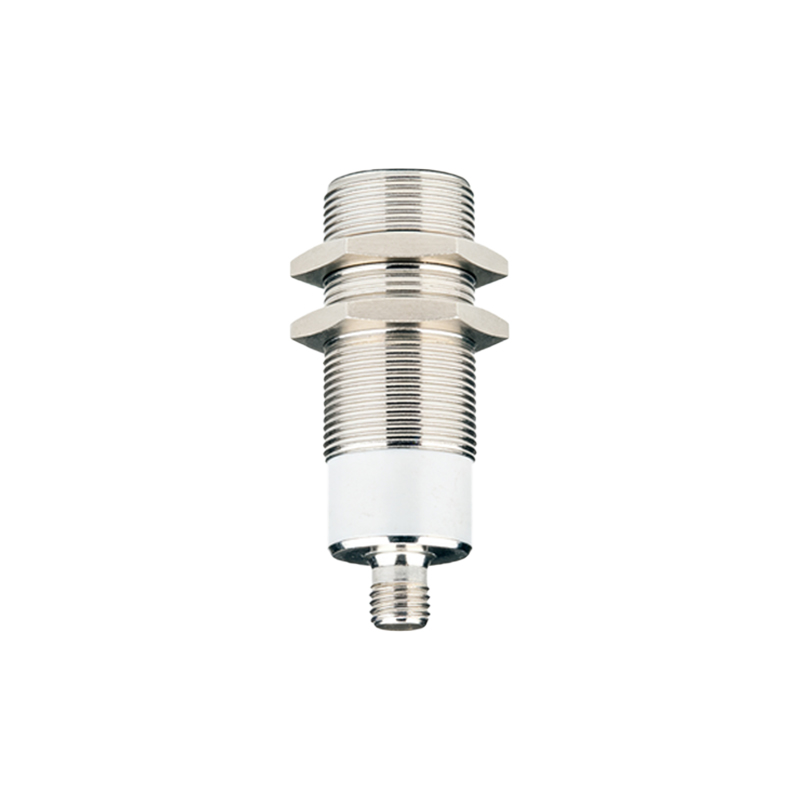
Installation and wiring practices are paramount. Cables between the barrier and sensor must be properly installed, with parameters like cable capacitance and inductance factored into the system assessment to ensure the overall intrinsic safety is maintained. Grounding of safety barriers is non-negotiable and must be executed to specification. Any modification to the IS loop, including sensor replacement, must use equipment with matching entity parameters to preserve the system's certification.
In conclusion, intrinsically safe proximity sensors are not merely standard sensors with a different label; they are a meticulously engineered safety solution. Their correct selection, installation, and maintenance form an integral part of a holistic safety instrumented system (SIS). As industries continue to prioritize operational safety and regulatory compliance, the role of these reliable and efficient sensing devices in protecting personnel, assets, and the environment from the risks of explosion remains indispensable. Ongoing advancements in miniaturization, smart diagnostics, and wireless IS technology promise to further enhance their capabilities and integration within the Industrial Internet of Things (IIoT) framework for hazardous areas.
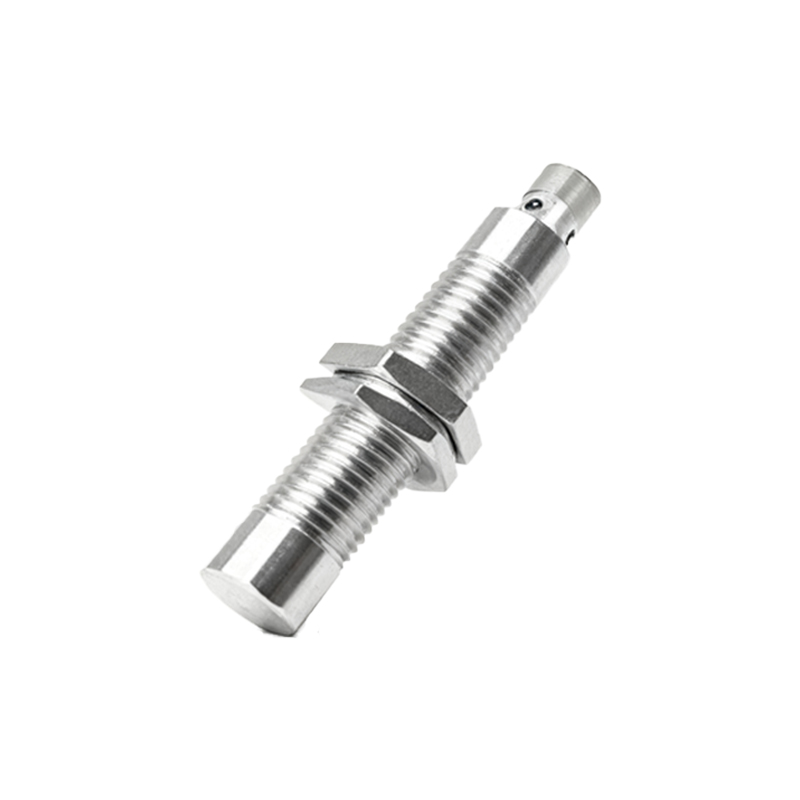
SEO Keywords:intrinsically safe proximity sensor, hazardous area sensors, ATEX proximity switch, explosion proof sensor, IECEx certified
SEO Description:Explore the engineering principles, international certifications (ATEX/IECEx), and critical applications of intrinsically safe proximity sensors for safe operation in explosive atmospheres within oil, gas, and chemical industries.