In the demanding field of foundation engineering and deep drilling, the reliability and precision of heavy machinery are paramount. CSR (China South Locomotive & Rolling Stock Corporation) rotary drilling rigs represent a pinnacle of engineering in this sector, designed for efficiency and durability in constructing piles for bridges, buildings, and other critical infrastructure. A critical, yet often understated, component ensuring the operational safety and automated functionality of these colossal machines is the approach sensor. This article delves into the technical specifications, operational principles, and practical applications of approach sensors within CSR rotary drilling rigs, adhering to industry standards and engineering best practices.
Approach sensors, fundamentally, are non-contact detection devices. In the context of CSR rigs, they are primarily inductive proximity sensors. These sensors generate an oscillating electromagnetic field. When a metallic target—such as the drill pipe, the rack of the Kelly bar, the hoist mechanism, or the slew ring—enters this field, eddy currents are induced within the target. This process dampens the oscillation, which is detected by the sensor's circuitry, triggering a solid-state output signal. This signal is then fed into the rig's programmable logic controller (PLC), forming the backbone of the machine's automated control and safety interlock systems.
The selection and integration of these sensors in CSR rigs are driven by several rigorous requirements. First is environmental resilience. Rotary drilling sites are characterized by extreme conditions: pervasive dust, mud, water spray, significant vibration from the drilling action, and wide temperature fluctuations. CSR-approved sensors typically boast high Ingress Protection ratings, such as IP67 or IP69K, ensuring complete protection against dust ingress and the ability to withstand high-pressure water jets. Their housings are constructed from robust materials like nickel-plated brass or stainless steel to resist mechanical impact and corrosion from drilling fluids.
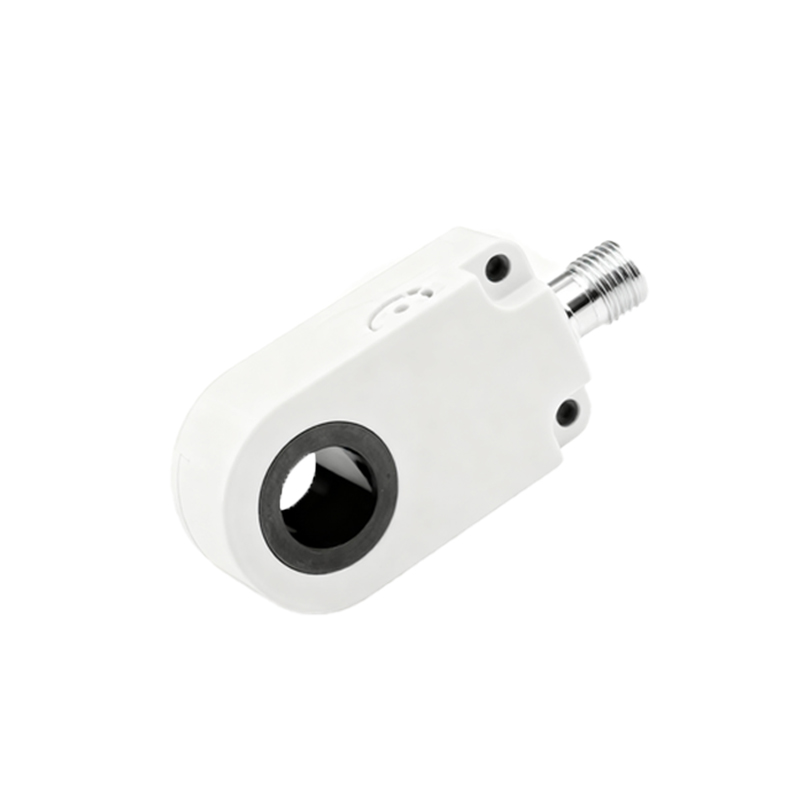
The technical parameters are precisely calibrated for the application. Sensing ranges vary depending on the installation point. For example, a sensor monitoring the position of the drill head during automatic rod addition might have a range of 5-10mm, requiring high precision. In contrast, a sensor used for general limit detection on the mast might have a range of 15-20mm. Factors like the target material (steel is standard), the target size (which must meet the sensor's specified factor), and switching frequency are all meticulously calculated during the rig's design phase to ensure flawless operation.
The applications within a CSR rotary drilling rig are multifaceted and critical for both automation and safety:
1. Mast and Boom Limit Control: Sensors are installed at the extreme upper and lower limits of the mast's vertical travel and the boom's swing angle. They prevent over-hoisting or over-lowering, which could lead to catastrophic structural failure or collision with the carrier.
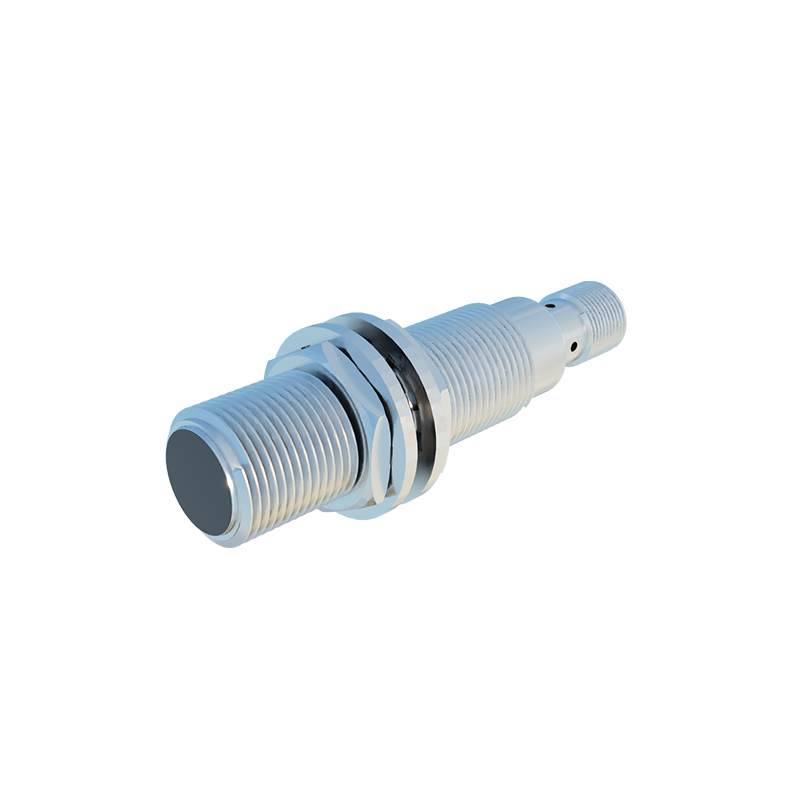
2. Automatic Drill Pipe Handling: In advanced CSR rigs with automated pipe changers, an array of sensors is used to detect the presence and correct positioning of drill pipes in the magazine, the alignment of the gripper, and the engagement of the pipe with the drill head. This enables seamless, operator-assisted rod addition and removal cycles.
3. Kelly Bar Rack Positioning: Sensors monitor the position of the Kelly bar within its guiding rack, ensuring it is properly seated and locked before drilling commences and providing feedback during the telescoping process.
4. Slew Ring Limit Detection: To prevent the upper structure (superstructure) from rotating beyond its safe mechanical limits and damaging hydraulic hoses or electrical cables, sensors are placed to define the safe rotation envelope.
5. Safety Interlocks: Perhaps most importantly, these sensors act as guardians. A simple example is a sensor that confirms the drill head is in its designated "parked" position before allowing the engine to start or the rig to move. Another may ensure the mast is correctly lowered and locked before travel mode is enabled.
Troubleshooting and maintenance of these sensors are straightforward but essential. Common failure modes include physical damage from impact, accumulation of metallic debris on the sensing face (which can cause false triggering), and connector issues due to vibration. Diagnostic tools like a multimeter to check supply voltage and output status are standard. Regular maintenance involves visual inspection for damage, cleaning the sensing face with a non-abrasive cloth, and checking the tightness of mounting hardware.
In conclusion, approach sensors in CSR rotary drilling rigs are far from mere accessories; they are integral sensory organs of a complex electromechanical system. Their robust design, precise operation, and strategic deployment enable the high degree of automation, operational efficiency, and, above all, the stringent safety standards required in modern foundation construction. As CSR continues to innovate, integrating more sophisticated IoT capabilities for predictive maintenance, the role of these sensors will only expand, providing even richer data streams to optimize rig performance and uptime on the