In the industrial automation and control systems sector, proximity sensors are indispensable components for detecting the presence or absence of objects without physical contact. Understanding the model numbers of these sensors is crucial for engineers and technicians to ensure proper selection, installation, and maintenance. This guide provides a comprehensive breakdown of how to interpret proximity sensor model numbers, using typical examples from leading manufacturers.
A proximity sensor model number typically encodes key specifications and features. The first segment often indicates the sensor type. For instance, "IN" may denote inductive sensors, "CA" for capacitive sensors, and "UL" for ultrasonic sensors. Inductive sensors are commonly used for metal detection, capacitive for non-metallic materials, and ultrasonic for distance measurement. Following this, the model number usually includes the sensing range, such as "5mm" or "10mm," which specifies the maximum distance at which the sensor can reliably detect an object.
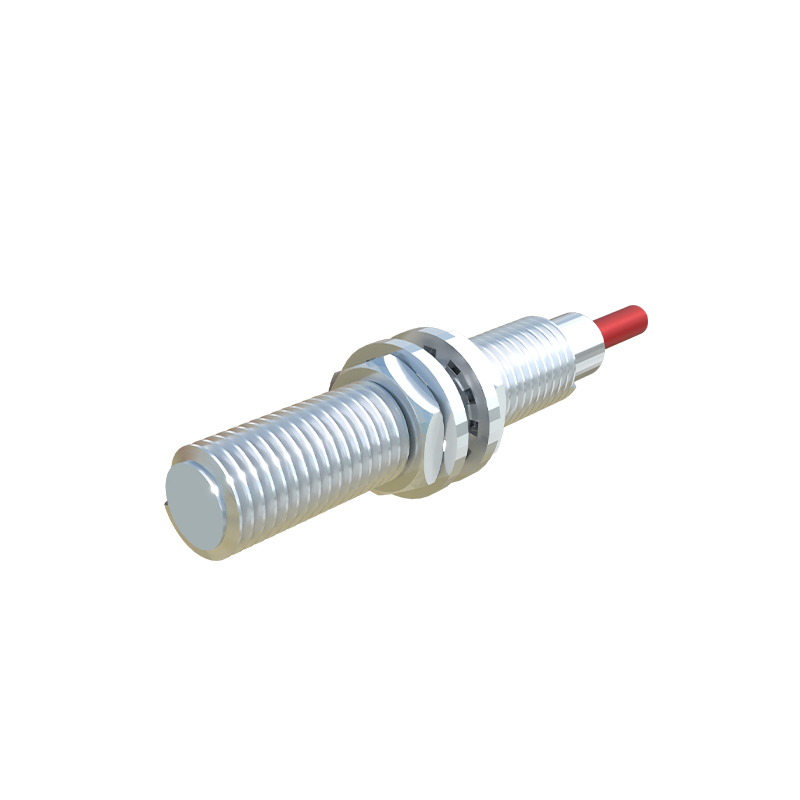
The next part of the model number often represents the output configuration. Codes like "NPN" or "PNP" refer to the transistor output type, with NPN being sinking output and PNP sourcing output, essential for compatibility with different PLCs (Programmable Logic Controllers). Additionally, "NO" (Normally Open) or "NC" (Normally Closed) indicates the switch contact state, affecting the circuit behavior when an object is detected. For example, a model with "NPN-NO" will close the circuit upon detection, while "PNP-NC" will open it.
Another critical element encoded in the model number is the housing material and shape. Codes such as "M12" or "M18" specify the thread size for cylindrical sensors, while "CUBE" or "RECT" may denote rectangular housings. The material, like "ST" for stainless steel or "BR" for brass, is often included for environmental resistance ratings. This information helps in selecting sensors suitable for harsh conditions, such as high temperatures or corrosive environments.

The model number may also include voltage ratings, such as "10-30VDC" for the operating voltage range, ensuring the sensor matches the power supply. Some manufacturers add frequency indicators, like "500Hz," to show the maximum switching frequency, which is vital for high-speed applications. Additionally, protection ratings like "IP67" (Ingress Protection) are sometimes embedded, indicating dust and water resistance levels.
To illustrate, consider a sample model number: "IN-M12-5mm-NPN-NO-10-30VDC-IP67." Breaking it down: "IN" means inductive sensor, "M12" is the 12mm threaded housing, "5mm" is the sensing range, "NPN-NO" specifies the output type and contact state, "10-30VDC" is the voltage range, and "IP67" denotes the protection rating. This decoding allows engineers to quickly identify that this sensor is suitable for detecting metal objects within 5mm, using an NPN output in dry or wet industrial settings.
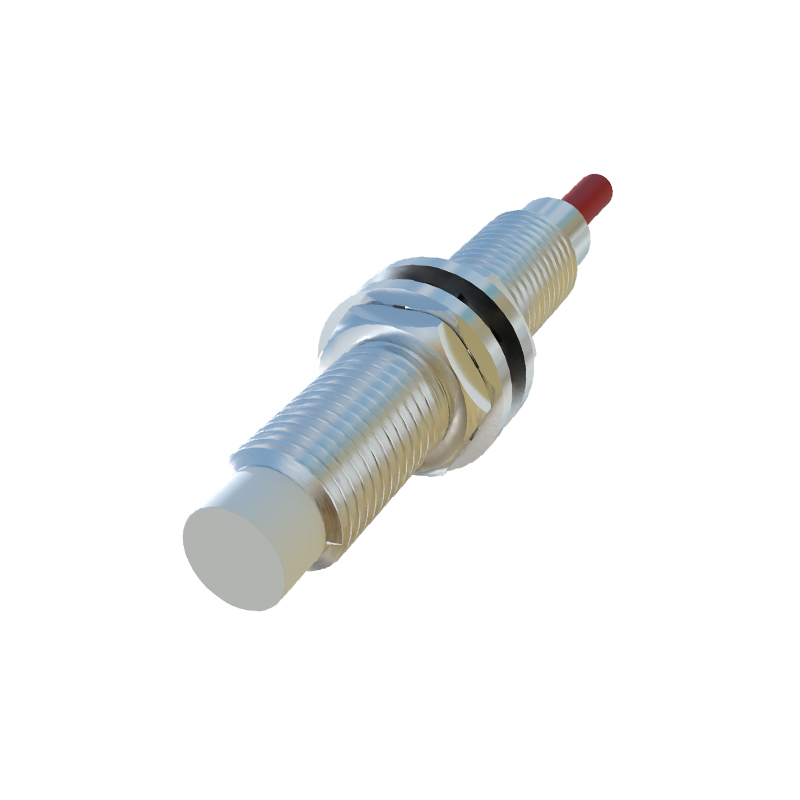
In practice, always refer to the manufacturer's datasheet for precise interpretations, as coding systems can vary. For example, some brands might include additional codes for special features like temperature compensation or LED indicators. Misinterpreting these codes can lead to incorrect sensor choices, causing system failures or safety hazards. Therefore, cross-referencing with technical documentation is recommended.
When selecting a proximity sensor, consider the application requirements: target material, required sensing distance, environmental factors, and electrical compatibility. By mastering model number decoding, professionals can streamline procurement, reduce downtime, and enhance system reliability. This skill is particularly valuable in global supply chains, where standardized part numbers facilitate efficient sourcing and inventory management.
In summary, proximity sensor model numbers serve as a compact language conveying essential technical details. Learning to decode them empowers engineers to make informed decisions, optimize automation systems, and maintain operational efficiency. As technology evolves, staying updated with new coding conventions from manufacturers will continue to be a key competency in the electrical and automation industries.