In the realm of modern sanitation technology, laser sensor toilets represent a significant advancement, merging precision engineering with hygienic design. These fixtures utilize laser-based detection systems to automate flushing, lid operation, and user presence sensing, enhancing convenience and reducing germ transmission. This article delves into the operational principles, components, and benefits of laser sensor toilets, tailored for professionals in the electrical and plumbing industries.
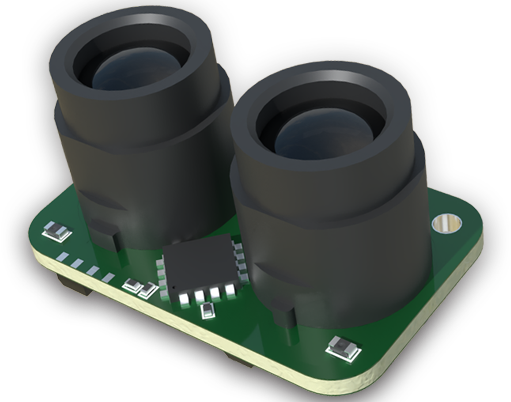
At the core of a laser sensor toilet is an infrared laser diode, typically emitting light in the near-infrared spectrum (wavelengths around 850–940 nm). This diode projects a focused beam toward a designated area, such as the toilet seat or bowl. A photodetector, often a phototransistor or photodiode, is positioned to receive reflected light. When a user approaches or moves away, the reflected beam's intensity or time-of-flight changes, triggering electronic responses. The system relies on the principle of triangulation or time-of-flight measurement: by calculating the distance between the sensor and the object (e.g., a person), it determines precise actions like activating the flush mechanism.
Key components include the laser emitter, receiver, control unit, and actuator. The control unit, usually a microcontroller or integrated circuit, processes signals from the receiver. It filters ambient light interference using modulation techniques—where the laser beam is pulsed at a specific frequency, and the receiver synchronizes to detect only that frequency. This ensures reliability in varied lighting conditions, from dim bathrooms to brightly lit spaces. Upon detection, the control unit sends commands to actuators, such as solenoid valves for water flow or motors for lid movement. Power is typically supplied via low-voltage DC sources, often integrated with battery backups for uninterrupted operation during outages.
Applications extend beyond residential settings to commercial and healthcare environments, where hygiene is paramount. In hospitals, laser sensor toilets minimize contact, lowering cross-contamination risks. They also contribute to water conservation by enabling precise flush volume control based on usage duration. For instance, a short presence might trigger a partial flush, while longer occupancy initiates a full flush. Advanced models incorporate multiple sensors for functions like automatic seat lifting or UV sterilization cycles, further elevating user experience.
From an engineering perspective, installation and maintenance require attention to alignment and calibration. Misaligned sensors can cause false triggers or failures, so professionals must ensure proper positioning during setup. Regular cleaning of sensor lenses is essential to prevent dirt or residue from obstructing laser beams. Additionally, compatibility with existing plumbing and electrical systems should be verified, as retrofitting may involve upgrading wiring or valves to handle automated components.
In summary, laser sensor toilets exemplify innovation in sanitary engineering, leveraging optical technology to promote efficiency and hygiene. Their design principles—rooted in accurate detection and responsive control—make them a valuable addition to modern infrastructure. As the industry evolves, trends like IoT integration for usage analytics or energy-harvesting sensors may further enhance these systems, offering smarter, sustainable solutions for global sanitation challenges.