In the realm of automation and safety, laser sensors have emerged as a pivotal technology for automatic door systems, offering unparalleled precision, reliability, and efficiency. Unlike traditional motion detectors or pressure mats, laser sensors utilize focused light beams to detect presence and movement with exceptional accuracy. This article delves into the operational principles, advantages, and applications of laser sensors in door automation, highlighting their transformative impact across various industries.
At its core, a laser sensor for automatic doors operates by emitting a narrow, coherent beam of light—typically in the infrared spectrum—toward a target area. When an object, such as a person or vehicle, interrupts this beam, the sensor detects the change in light reflection or transmission. Advanced models employ time-of-flight or triangulation methods to measure distance and speed, enabling precise control over door opening and closing sequences. This technology minimizes false triggers, a common issue with conventional sensors that rely on passive infrared or ultrasonic waves, which can be affected by environmental factors like temperature fluctuations or air currents.
The integration of laser sensors into automatic door systems brings numerous benefits. Firstly, enhanced safety is paramount. By accurately detecting the exact position and movement of objects, these sensors prevent doors from closing on individuals, reducing the risk of injuries—especially in high-traffic areas like hospitals, airports, and shopping malls. For instance, in healthcare facilities, laser-equipped doors can sense slow-moving patients or equipment, ensuring smooth and secure access. Secondly, energy efficiency is significantly improved. Doors open only when necessary and for the optimal duration, minimizing heat loss or gain and contributing to lower HVAC costs. This is particularly valuable in climate-controlled environments such as data centers or cleanrooms.
Moreover, laser sensors offer superior durability and low maintenance requirements. With no moving parts and robust construction, they withstand harsh conditions, including dust, moisture, and extreme temperatures, making them ideal for industrial settings like warehouses or manufacturing plants. Their long operational lifespan translates to reduced downtime and cost savings over time. Additionally, the adaptability of laser technology allows for customization based on specific needs. Sensors can be programmed to ignore small objects or pets, adjust sensitivity thresholds, and integrate with access control systems for enhanced security.
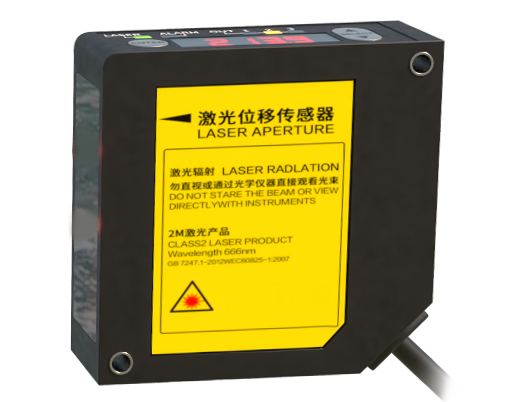
In commercial and residential applications, laser sensors elevate user convenience and accessibility. Automatic doors equipped with this technology provide seamless entry for people with disabilities, parents with strollers, or individuals carrying heavy loads, promoting inclusivity. The quiet and swift operation also enhances customer experience in retail spaces, where smooth foot traffic flow is crucial. From a technical perspective, modern laser sensors often feature connectivity options, such as IoT integration, enabling remote monitoring and diagnostics. This facilitates predictive maintenance, where potential issues are identified before they lead to failures, ensuring uninterrupted service.
Despite their advantages, implementing laser sensors requires careful consideration. Proper installation is essential to avoid interference from reflective surfaces or direct sunlight, which could affect performance. Regular calibration and cleaning of lens surfaces are recommended to maintain accuracy. However, with professional setup, these challenges are easily mitigated. Looking ahead, advancements in laser sensor technology, including the use of AI for pattern recognition and multi-beam arrays for 3D detection, promise even greater sophistication. These innovations will further refine automatic door systems, making them smarter and more responsive to dynamic environments.
In conclusion, laser sensors represent a significant leap forward in automatic door technology, combining precision, safety, and efficiency. As industries continue to prioritize automation and user safety, the adoption of laser-based systems is set to grow, driving improvements in both public and private spaces. By understanding their capabilities and applications, engineers and stakeholders can harness this technology to create safer, more efficient, and accessible entrances for all.
