In the realm of industrial automation, precision, reliability, and durability are non-negotiable. The Z60SP Proximity Sensor stands as a testament to engineering excellence, designed to meet the rigorous demands of modern manufacturing and processing environments. This comprehensive guide delves into the technical specifications, operational principles, and diverse applications of the Z60SP, providing engineers and technicians with the insights needed to optimize their systems.
At its core, the Z60SP is an inductive proximity sensor. It operates on the principle of electromagnetic induction. The sensor generates a high-frequency oscillating electromagnetic field from its active face. When a metallic target object enters this detection field, eddy currents are induced on the surface of the target. This causes a change in the oscillation amplitude within the sensor's coil circuit. An integrated evaluation circuit detects this change and triggers a solid-state switching output, signaling the presence of the object. This non-contact detection method is key to its longevity and reliability, as it eliminates mechanical wear and tear associated with physical switches.
The Z60SP series is renowned for its robust construction. Typically housed in a stainless steel or nickel-plated brass body, it offers exceptional resistance to corrosion, oils, and coolants commonly found in industrial settings. Many models boast an IP67 or IP68 ingress protection rating, making them suitable for use in washdown areas or dusty environments. The sensing distance, a critical parameter, is precisely defined. For a standard M30 housing size, the nominal sensing distance (Sn) is often 15mm. It is crucial to note that this specification is defined for a standard target (usually mild steel). Factors such as target material, size, and shape can influence the effective sensing range. For instance, detection distances for non-ferrous metals like aluminum or copper are typically reduced, a factor accounted for in the sensor's technical data sheets.
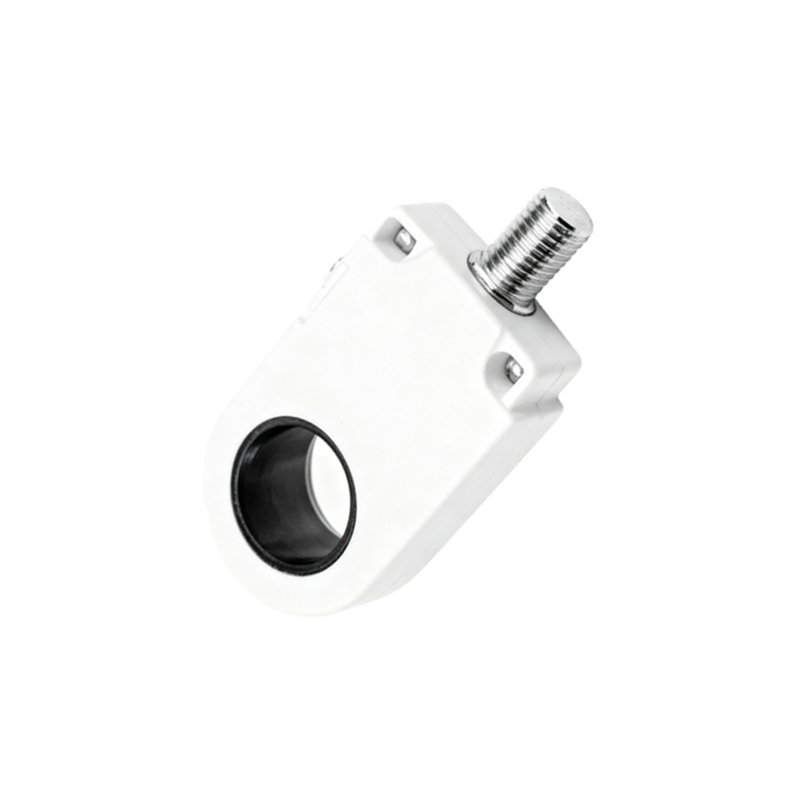
Electrical characteristics are equally impressive. The Z60SP is commonly available in both DC (10-30V DC) and AC variants, with NPN (sinking) or PNP (sourcing) transistor outputs for DC models. The switching frequency—how quickly it can detect objects in succession—is sufficiently high for high-speed production lines, such as those in packaging or automotive assembly. Additionally, features like short-circuit protection, reverse polarity protection, and overload protection are standard, safeguarding both the sensor and the control system from electrical faults.
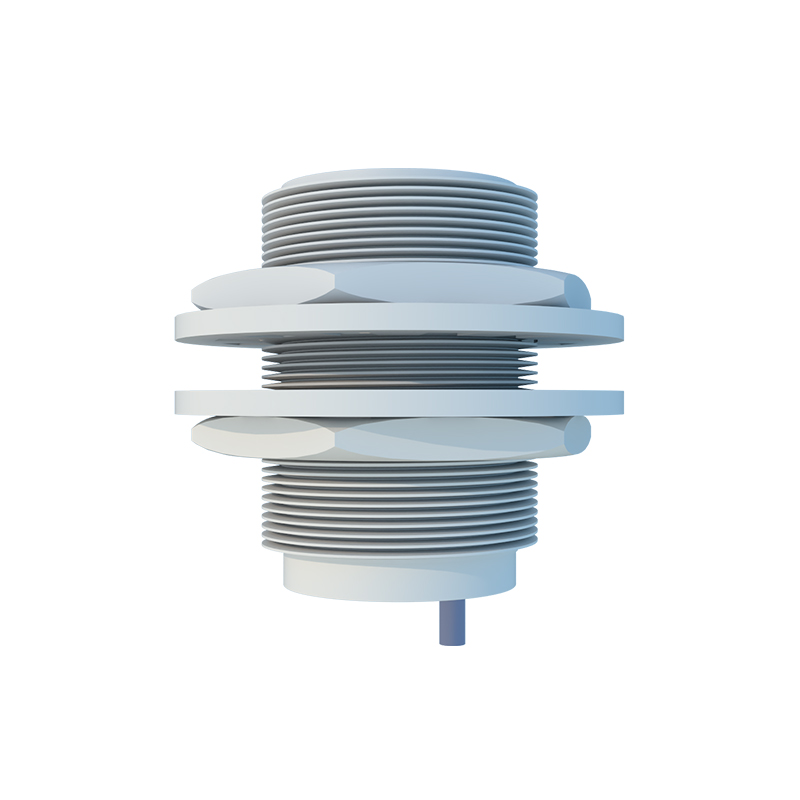
Installation and alignment are straightforward but require attention to detail. The sensor should be mounted securely to minimize vibration effects. It is essential to maintain the recommended lateral and axial gaps between multiple sensors to prevent mutual interference. The presence of surrounding metal (like the mounting nut or machine frame) can also affect performance, a phenomenon known as the "flush-mountable" or "non-flush" characteristic. Flush-mountable models can be embedded in metal without affecting their sensing range, while non-flush models require a clear zone around the active face for optimal performance.
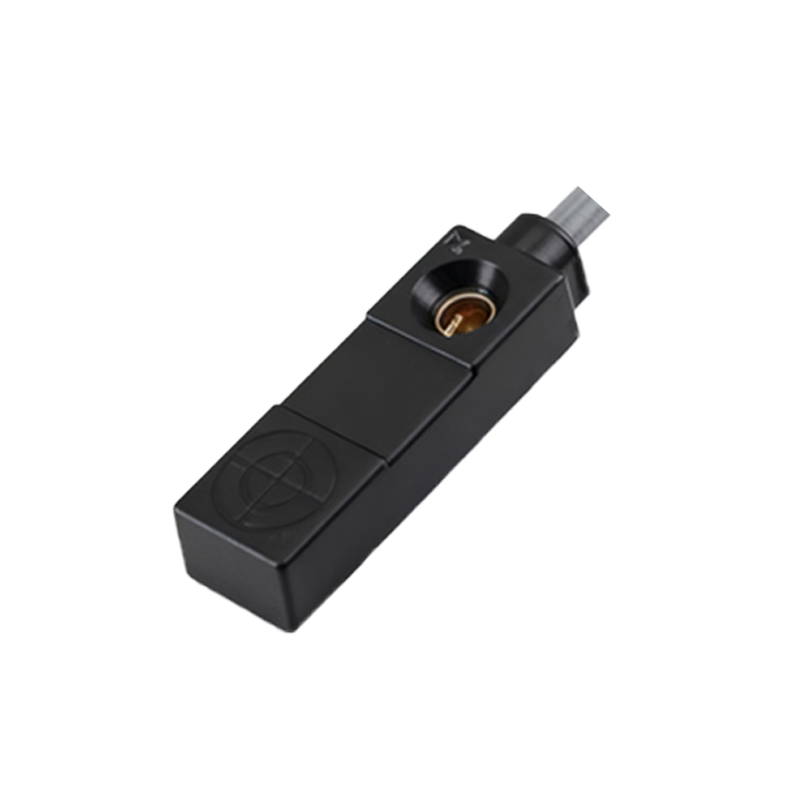
Application scenarios for the Z60SP are vast. It is indispensable in position verification—confirming a cylinder has reached the end of its stroke, or a part is correctly seated in a fixture. It plays a vital role in object counting on conveyor belts, detecting metallic parts as they pass by. In automated machinery, it is used for jam detection, end-of-travel limits, and presence sensing for robotic arms. Its robustness makes it ideal for harsh applications in metalworking, material handling, wood processing, and automotive manufacturing.
When selecting a Z60SP sensor, consider the following: the required sensing distance, target material, housing size and material, electrical output type (NPN/PNP), connection method (pre-wired cable or quick-disconnect), and the specific environmental conditions (temperature, pressure, exposure to chemicals). Consulting the manufacturer's datasheet is paramount for ensuring compatibility and performance.
In conclusion, the Z60SP Proximity Sensor is more than just a component; it is a critical enabler of efficiency and safety in automated systems. Its non-contact operation, environmental resilience, and electrical robustness make it a preferred choice for engineers worldwide. By understanding its operating principles and application guidelines, professionals can ensure reliable sensor performance, minimize downtime, and contribute to the seamless operation of sophisticated industrial automation networks. Proper selection, installation, and maintenance of sensors like the Z60SP are fundamental to building smarter, more responsive, and more productive manufacturing ecosystems.