In the rapidly evolving landscape of industrial automation and precision measurement, laser sensors have become indispensable tools. Their ability to deliver non-contact, high-accuracy, and high-speed measurements makes them critical for quality control, positioning, inspection, and safety across numerous sectors. This article provides professional recommendations for laser sensors, focusing on key performance parameters and ideal application scenarios to guide engineers and procurement specialists in selecting the optimal device for their specific needs.
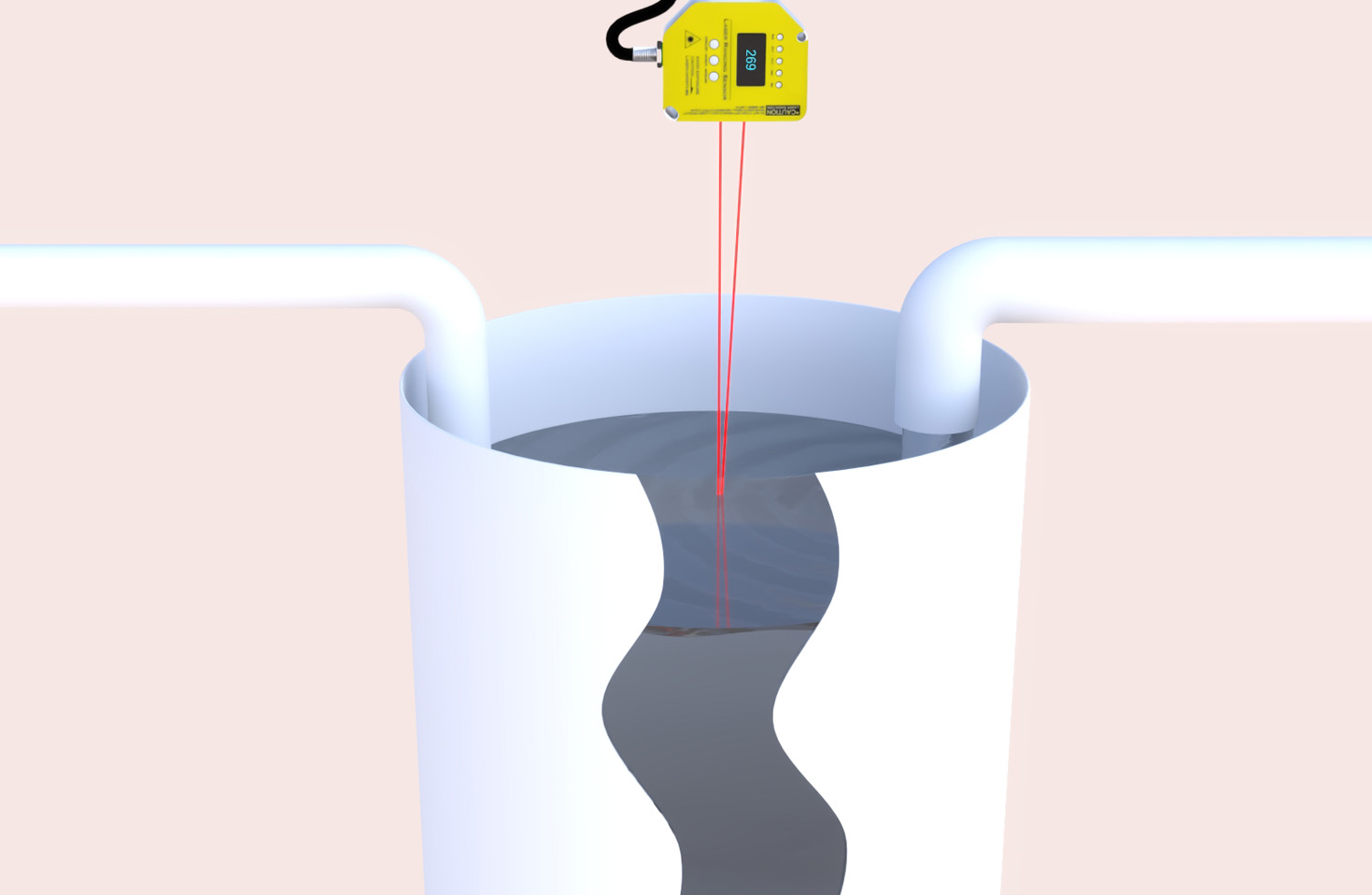
The foundation of a great laser sensor lies in its core technology. For long-range distance measurement and positioning, time-of-flight (ToF) laser sensors are highly recommended. Models from brands like Banner Engineering's Q5X series or Keyence's IL series offer robust performance in challenging environments, with ranges extending up to several meters. They excel in applications such as bulk material level monitoring, vehicle detection, and large object positioning. For applications demanding micron-level precision, such as semiconductor wafer alignment or thickness measurement of delicate materials, confocal chromatic or triangulation-based laser displacement sensors are superior. Micro-Epsilon's scanCONTROL series and Omron's ZX-L series provide sub-micron resolution and are renowned for their stability and high sampling rates.
When the application involves profiling or 2D/3D contour inspection, laser line profilers or area scanners are the tools of choice. LMI Technologies' Gocator sensors and Cognex's DS series combine a laser line with a high-resolution camera to generate precise 3D point clouds. These are ideal for weld seam inspection, robotic bin picking, and electronic component coplanarity checks. For safety-critical applications like perimeter guarding around hazardous machinery, safety-rated laser scanners are mandatory. SICK's S3000 or Pilz's PSENscan create flexible protective fields and are compliant with international safety standards (e.g., IEC 61496), ensuring personnel safety without impeding operational workflow.
Environmental robustness is a non-negotiable criterion for industrial sensors. Look for sensors with high Ingress Protection (IP) ratings (e.g., IP67, IP69K) for dust and water resistance, and wide operating temperature ranges. Sensors with built-in thermal compensation, like many from Panasonic's HG-C series, maintain accuracy despite ambient temperature fluctuations. Connectivity is another vital aspect. Modern laser sensors should offer multiple output options—analog (4-20mA, 0-10V), digital (IO-Link, Ethernet/IP, PROFINET)—for seamless integration into PLCs and industrial networks. IO-Link, in particular, enables advanced parameterization, diagnostics, and condition monitoring, which is a significant advantage for predictive maintenance strategies.
Finally, the choice often comes down to the specific application's nuance. For measuring transparent objects (glass, films), a sensor with background suppression or a specialized optical filter is necessary. For shiny or reflective surfaces, models with automatic exposure control or diffuse reflection technology prevent signal saturation. Always consult the sensor's datasheet for its minimum and maximum measurable reflectivity. In high-vibration environments, ensure the sensor has a sturdy housing and, if possible, internal damping.
In conclusion, selecting the right professional laser sensor requires a careful analysis of measurement range, accuracy, speed, environmental conditions, and communication needs. The market offers sophisticated solutions from leading manufacturers like Keyence, SICK, Banner, Omron, Micro-Epsilon, LMI, and Cognex. By matching the sensor's core strengths to the application's critical demands, engineers can significantly enhance system reliability, product quality, and overall operational efficiency. Always consider future-proofing your investment by opting for sensors with smart features and flexible connectivity to adapt to the evolving Industrial IoT landscape.