In industrial automation and control systems, proximity switches are indispensable components for non-contact detection of objects. However, many operational environments—such as machining centers, food processing lines, chemical plants, and outdoor machinery—are exposed to oils, coolants, water sprays, or humidity. Standard proximity sensors can fail prematurely when fluids penetrate housings, leading to downtime, safety risks, and increased maintenance costs. This article delves into the design, standards, and selection criteria for oil and water resistant proximity switches, providing engineers with practical insights for robust sensor integration.
The fundamental challenge in hostile environments is ingress protection. Fluids can corrode internal electronics, short-circuit connections, or obscure sensing faces, causing false triggers or loss of signal. To address this, manufacturers employ several key design strategies. First, housings are typically constructed from stainless steel (e.g., 303, 304, or 316 grades) or ruggedized plastics like PBT or PPS, which resist corrosion and chemical attack. Critical seams, such as between the body and sensing face, are sealed using high-grade elastomers like fluorocarbon rubber (FKM) or silicone gaskets. For cable exit points, either molded cables or gland fittings with strain relief are used to prevent fluid wicking along the cable conduit.
Furthermore, the sensing face itself is a vulnerable point. Many oil-proof and waterproof models feature a flush-mounted design, allowing the active surface to be embedded into metal tank walls or machinery frames without gaps. The sensing window is often made of a specialized ceramic or epoxy resin that bonds seamlessly with the housing, creating a monolithic front surface that fluids cannot penetrate. Some advanced designs incorporate a "double-seal" technology, where an inner seal protects the core electronics and an outer seal guards the housing interface, providing redundancy.
International protection ratings are crucial for specification. The IP (Ingress Protection) code, defined by IEC 60529, is the universal benchmark. For oil and water resistance, two digits are critical. The first digit indicates solid particle protection (6 being dust-tight), while the second digit denotes liquid ingress protection. For instance, IP67-rated sensors are protected against temporary immersion in water (up to 1 meter for 30 minutes), suitable for washdown areas. IP68 guarantees continuous immersion under specified conditions, often needed in submerged applications. IP69K, established by DIN 40050-9, signifies protection against high-pressure, high-temperature water jets, making it ideal for food and beverage industries where aggressive cleaning is routine.
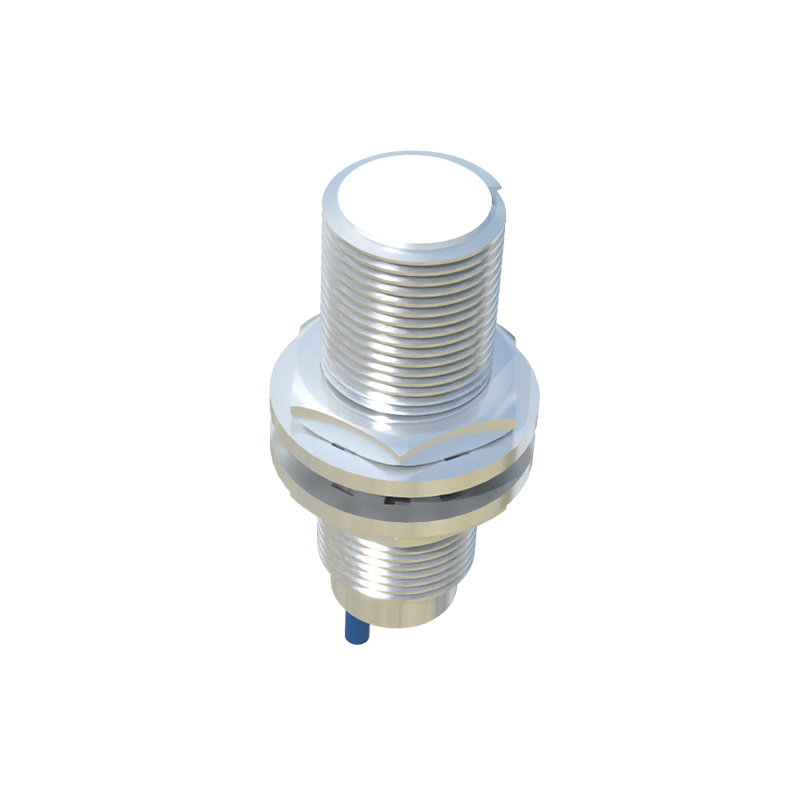
Beyond IP ratings, specific industry standards may apply. For example, in the United States, NEMA (National Electrical Manufacturers Association) ratings like NEMA 4X indicate corrosion and water resistance. In explosive atmospheres, certifications such as ATEX or IECEx for hazardous locations are essential, and oil-resistant seals contribute to maintaining explosion-proof integrity.
When selecting a proximity switch for oily or wet conditions, engineers must consider the fluid type, exposure duration, pressure, and temperature. Mineral-based oils and synthetic coolants in machining require sensors with chemical-resistant seals (FKM performs well against hydrocarbons). In food processing, sensors must withstand caustic cleaning agents and steam; here, FDA-compliant materials and IP69K are often mandatory. Additionally, the electrical output type (e.g., PNP/NPN, analog, or IO-Link) and sensing range should be chosen to accommodate potential buildup of oil film or debris on the target, which might slightly attenuate the signal.
Installation practices significantly impact longevity. Even a highly rated sensor can fail if installed incorrectly. Mounting should follow manufacturer guidelines for torque to avoid distorting seals. Conduit entries must be properly sealed, and cables should be routed downward to prevent fluid accumulation at the connection point. Regular maintenance, such as wiping the sensing face clean of grime, ensures consistent performance.
Technological advancements continue to enhance durability. Newer designs integrate condition monitoring features via IO-Link, allowing predictive maintenance by reporting seal integrity or internal humidity levels. Nanocoatings applied to PCBs provide an extra layer of hydrophobic protection. As Industry 4.0 drives smarter factories, the demand for sensors that survive harsh conditions while delivering data will only grow.
In conclusion, oil and water resistant proximity switches are engineered triumphs that combine material science, precision sealing, and adherence to international standards. By carefully evaluating environmental factors, protection ratings, and installation requirements, engineers can deploy sensors that deliver unwavering reliability, reduce unplanned downtime, and uphold safety in the most demanding industrial settings. Investing in robust proximity sensing is not merely a technical choice—it is a cornerstone of operational resilience.