In the realm of industrial laser cutting, the sensor cavity is a critical yet often underappreciated component. This enclosure, typically housing optical sensors, temperature monitors, or gas flow detectors, plays a pivotal role in ensuring the accuracy, repeatability, and safety of the cutting process. Its design and construction directly influence the system's ability to maintain precise focal lengths, protect sensitive electronics from harsh operational environments, and facilitate real-time process monitoring. A poorly designed cavity can lead to sensor drift, thermal damage, contamination, and ultimately, costly production errors and downtime.
The primary function of a laser cutting sensor cavity is to provide a stable, protected environment. During high-power laser cutting, the area around the cutting head is subjected to extreme conditions: intense heat, molten metal spatter (dross), abrasive dust, and sometimes assist gases at high pressures. The cavity must shield the sensor from these elements. For optical sensors, such as capacitive height sensors or through-the-lens (TTL) vision systems, the cavity's window must remain impeccably clear. Any accumulation of contaminants on the viewport can scatter or attenuate the laser or sensing beam, leading to inaccurate distance measurements and poor cut quality. Therefore, material selection for the cavity body and the viewport is paramount. High-grade stainless steels like 316L are common for their corrosion resistance and structural integrity, while synthetic sapphire or coated quartz are preferred for windows due to their exceptional hardness, thermal stability, and optical clarity.
Thermal management is another cornerstone of effective cavity design. Sensors, particularly electronic ones, have strict operating temperature ranges. The cavity must dissipate the conducted and radiated heat from the cutting process without becoming a heat sink that cooks the components inside. Strategic use of thermal barriers, cooling channels for air or water, and heat-resistant coatings are standard engineering solutions. The placement of the cavity relative to the cutting nozzle and the path of cooling assist gases (like nitrogen or oxygen) also significantly impacts its thermal profile. Computational Fluid Dynamics (CFD) simulations are increasingly used to model heat flow and optimize the cavity's geometry for passive cooling.
Sealing integrity is non-negotiable. The cavity must be hermetically sealed or purged with a clean, dry gas (often air or nitrogen) to create a positive pressure inside. This positive pressure prevents external contaminants—metallic powders, oil mists, and moisture—from being drawn into the cavity. The sealing mechanism, typically involving high-temperature O-rings, gaskets, or specialized sealants, must withstand constant thermal cycling without degrading. Any breach compromises the sensor's reliability and can lead to catastrophic failure if molten spatter enters.
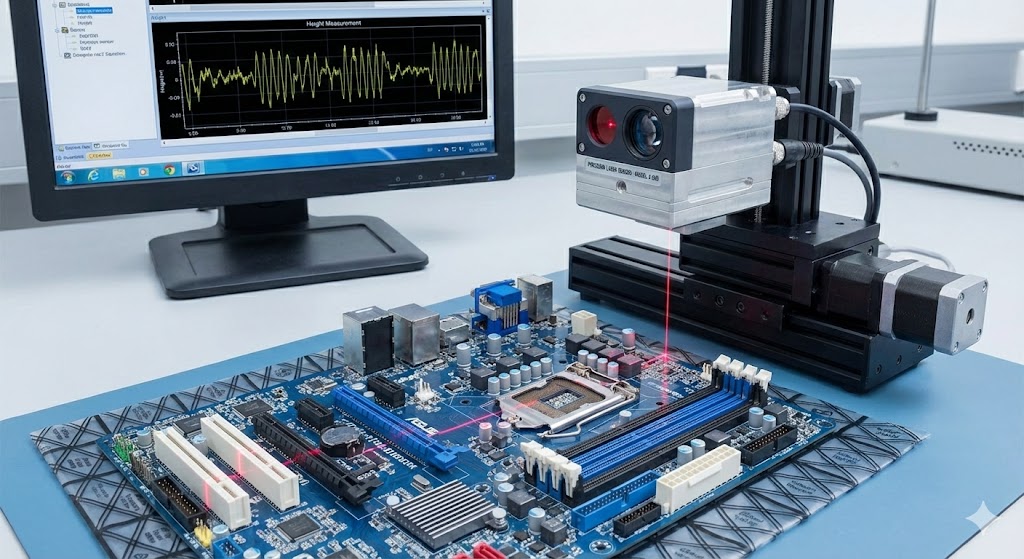
Furthermore, the mechanical interface between the sensor cavity and the cutting head must be rigid and precisely machined. Vibration from high-speed axis movements can loosen fittings and misalign sensors. A secure, vibration-damped mount ensures that the sensor's frame of reference remains constant relative to the cutting nozzle. This is especially crucial for height control sensors, where a micron-level shift in position can translate to a millimeter-level error on the workpiece.
Modern advancements are pushing the boundaries of sensor cavity functionality. Integrated, "smart" cavities now feature built-in diagnostic sensors that monitor their own health—checking internal temperature, pressure, and window cleanliness. This data feeds into the machine's predictive maintenance system, alerting operators to potential issues before they cause a fault. Additive manufacturing (3D printing) with metals allows for the creation of complex internal geometries that were previously impossible to machine, enabling more efficient cooling channels and lightweight, optimized structures.
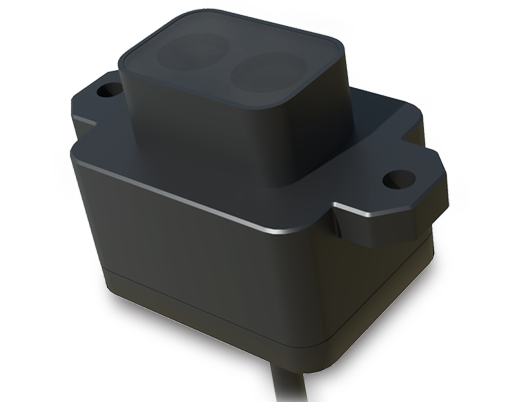
In practice, the selection and maintenance of a sensor cavity should be a deliberate choice, not an afterthought. Engineers must consider the specific application: cutting thin sheet metal versus thick plate involves different thermal loads and spatter patterns. The type of assist gas and material being cut (aluminum, steel, copper) also dictates the aggressiveness of the environment. Regular maintenance protocols, including scheduled inspection of seals, cleaning of viewports with appropriate solvents, and verification of purge gas flow, are essential for long-term performance.
Ultimately, the laser cutting sensor cavity is a guardian of precision. Its robust design ensures that the "eyes" and "nerves" of the laser cutter can perform reliably in an industrial inferno. Investing in a well-engineered cavity, and maintaining it diligently, pays dividends through improved cut quality, reduced scrap rates, higher machine availability, and extended sensor lifespan. It transforms the sensor from a fragile component into a ruggedized system integral to modern, automated manufacturing excellence.