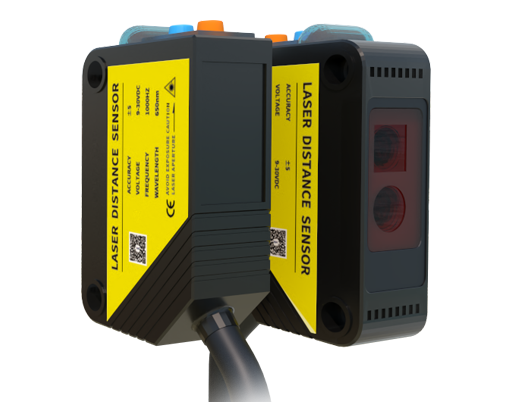
In modern industrial and urban environments, water accumulation poses significant risks to infrastructure, safety, and operational efficiency. Traditional methods of water detection, such as float switches or conductivity probes, often fall short in accuracy, reliability, and adaptability. Enter laser sensor technology—a cutting-edge solution that revolutionizes how we monitor and manage water levels. This article delves into the principles, applications, and benefits of laser sensors in detecting water accumulation, offering insights for engineers and industry professionals seeking robust flood prevention strategies.
Laser sensors operate on the principle of time-of-flight (ToF) or triangulation measurement. In water detection scenarios, a laser emitter directs a focused beam toward a target surface, such as a floor or drainage area. The sensor then measures the time it takes for the reflected light to return or analyzes the displacement of the beam. When water is present, the reflection characteristics change—due to factors like surface absorption, refraction, or scattering—allowing the sensor to detect even minute water layers with high precision. Typical accuracy ranges from ±1 mm to ±5 mm, depending on the sensor model and environmental conditions. This non-contact method eliminates issues like corrosion, fouling, or mechanical wear associated with traditional probes, ensuring long-term reliability in harsh settings like factories, tunnels, or outdoor installations.
The applications of laser sensors for water detection are vast and varied. In industrial facilities, they monitor coolant leaks in machining centers or water ingress in electrical enclosures, preventing equipment downtime and safety hazards. For urban infrastructure, laser sensors are deployed in subway systems, parking garages, and sewage networks to provide early warnings of flooding, enabling proactive maintenance and evacuation protocols. In agriculture, they assist in irrigation management by detecting soil moisture or ponding in fields. Moreover, these sensors integrate seamlessly with IoT platforms, transmitting real-time data to centralized control systems for automated responses, such as activating pumps or triggering alarms. A case study from a European manufacturing plant highlights how laser sensors reduced water-related incidents by 80% over two years, showcasing their operational and economic value.
Key advantages of laser sensors include their high sensitivity, fast response times (often in milliseconds), and versatility across diverse environments. They perform consistently in low-light, dusty, or humid conditions, thanks to advanced filtering algorithms that minimize false readings. However, challenges exist, such as interference from ambient light or highly reflective surfaces, which can be mitigated through proper calibration and housing designs. When selecting a laser sensor for water detection, engineers should consider factors like measurement range (typically 0.1 m to 10 m), output signals (analog or digital), and ingress protection ratings (e.g., IP67 for waterproofing). Regular maintenance involves lens cleaning and software updates to ensure optimal performance.
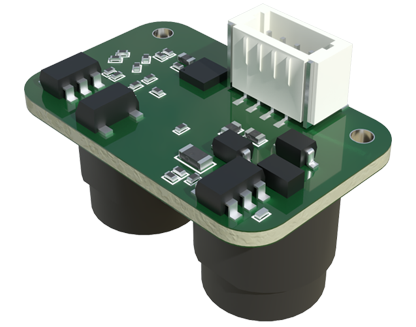
Looking ahead, innovations in laser sensor technology promise even greater capabilities. Developments in multi-spectral lasers and AI-driven analytics aim to distinguish water from other liquids or debris, enhancing detection specificity. As climate change intensifies flood risks, the role of laser sensors in smart cities and resilient infrastructure will expand, driving adoption across sectors. For engineers, staying abreast of these trends is crucial to designing effective water management systems. In summary, laser sensors offer a precise, reliable, and scalable solution for water detection, empowering industries to safeguard assets and communities against the growing threat of water accumulation.