Proximity sensors have become indispensable components in industrial automation, offering non-contact detection capabilities that enhance efficiency, safety, and precision. These sensors detect the presence or absence of objects within a specified range without physical contact, making them ideal for harsh environments where contamination, wear, or mechanical stress are concerns. Common types include inductive, capacitive, ultrasonic, and photoelectric sensors, each suited to specific applications based on material properties, environmental conditions, and detection requirements.
In manufacturing, proximity sensors are widely used for object positioning and counting on assembly lines. Inductive sensors, for instance, excel at detecting metallic objects in machinery such as CNC machines or robotic arms, ensuring accurate part placement and preventing collisions. Capacitive sensors can handle non-metallic materials like plastics, wood, or liquids, making them valuable in packaging, food processing, and pharmaceutical industries where hygiene is critical. Ultrasonic sensors provide reliable detection in dusty or humid settings, often applied in material handling systems to monitor fill levels in tanks or bins.
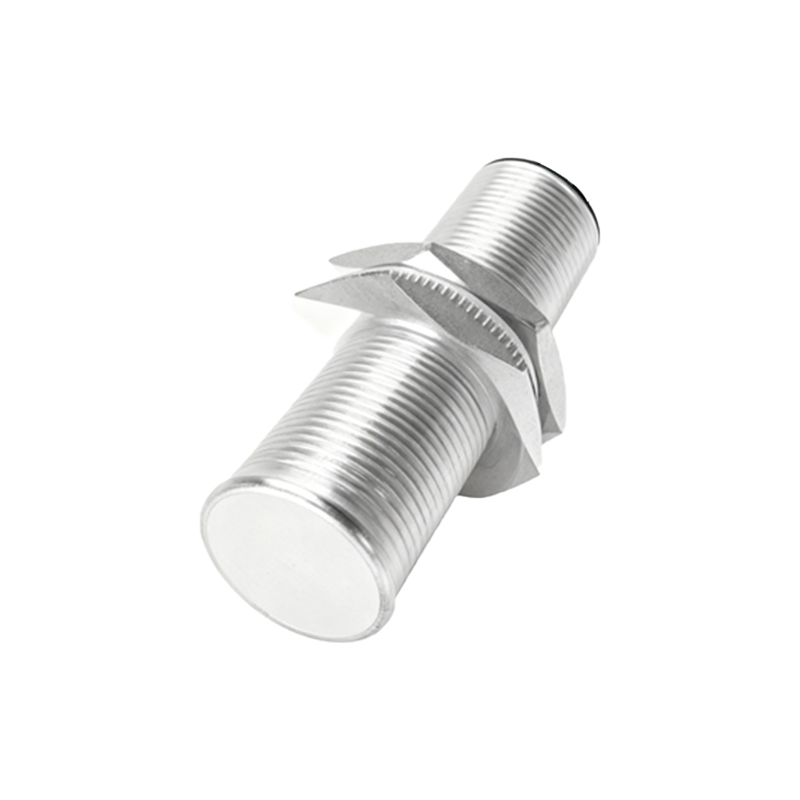
Safety is another key domain, with proximity sensors integrated into machinery guards and access control systems. They can halt equipment when a person or object enters a hazardous zone, reducing workplace accidents. In automotive manufacturing, sensors ensure proper alignment during welding or painting processes, while in logistics, they enable automated guided vehicles (AGVs) to navigate warehouses by detecting obstacles.
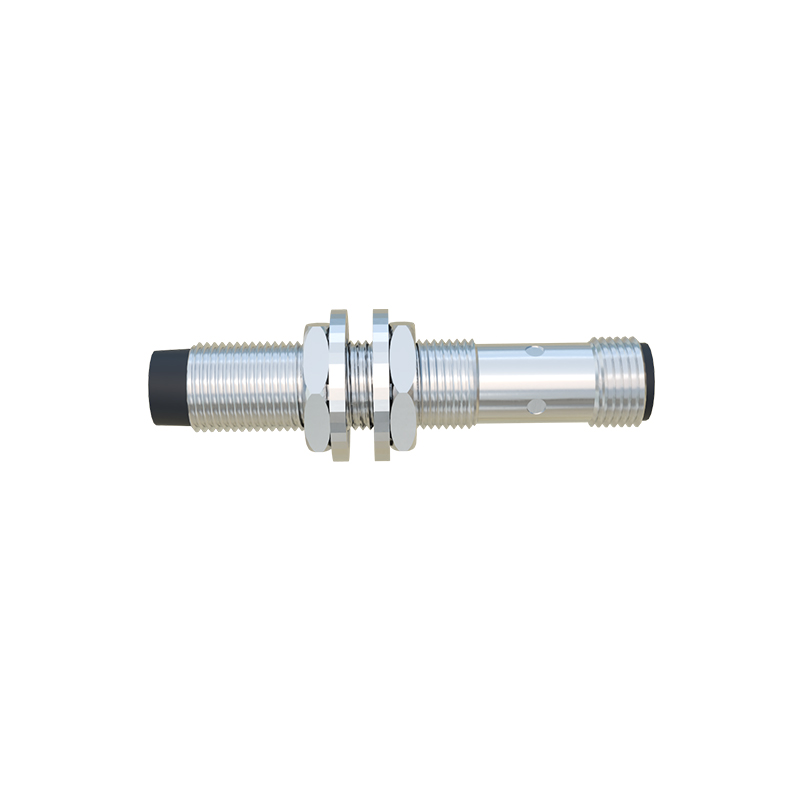
Emerging trends include the integration of IoT connectivity, allowing sensors to transmit real-time data for predictive maintenance and smart factory optimization. For example, sensors can monitor machine vibration or temperature, alerting operators to potential failures before downtime occurs. Additionally, miniaturized sensors are enabling new applications in electronics assembly and medical devices, where space constraints demand compact solutions.
Despite their advantages, selecting the right sensor requires careful consideration of factors like sensing distance, response time, and environmental interference. Regular calibration and maintenance are essential to sustain performance. As industries advance toward Industry 4.0, proximity sensors will continue to evolve, supporting more autonomous and interconnected systems that drive productivity and innovation.
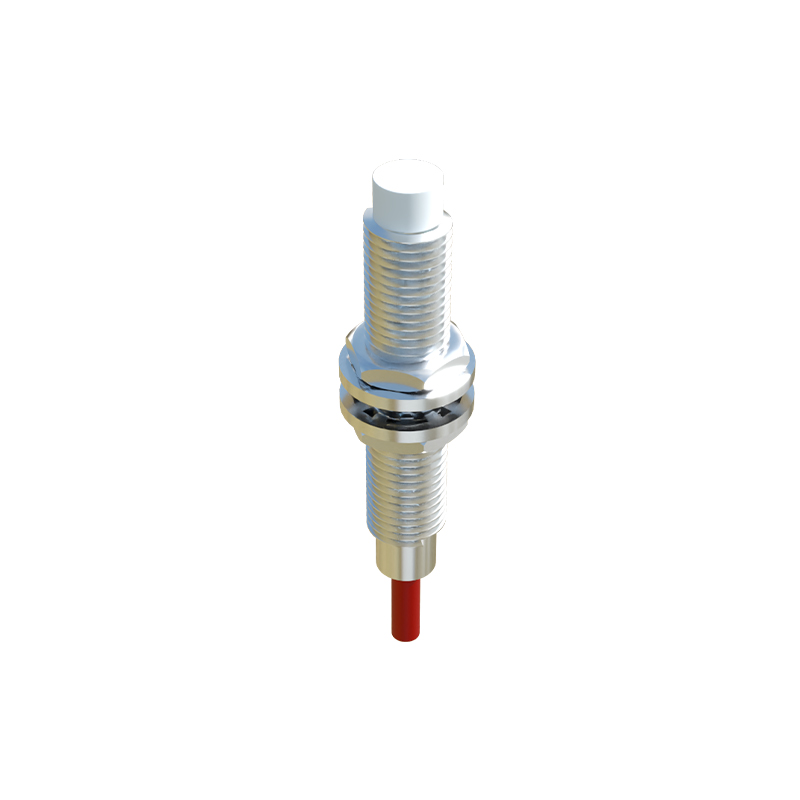
Overall, the versatility of proximity sensors makes them a cornerstone of modern industrial operations, from basic detection tasks to complex automated workflows. Their ability to operate reliably under diverse conditions ensures they remain a critical tool for engineers seeking to optimize processes and enhance safety standards.