In industrial environments, laser distance sensors are indispensable tools for precision measurement, automation, and quality control. However, their performance and longevity are heavily dependent on their ability to withstand harsh conditions, particularly pressure. Pressure resistance in these sensors is not merely a secondary feature but a critical design parameter that ensures reliability in applications ranging from hydraulic systems and compressed air lines to underwater operations and high-altitude manufacturing. This article delves into the engineering principles behind pressure-resistant laser sensors, their key specifications, and best practices for selection and deployment.
The core of a laser distance sensor's pressure resistance lies in its housing and sealing design. Most industrial-grade sensors are built with robust enclosures, typically from materials like stainless steel (e.g., 316L) or anodized aluminum, which provide structural integrity against external compressive forces. To prevent ingress of liquids or gases that could alter internal pressure and damage sensitive components—such as the laser diode, optics, and photodetector—advanced sealing methods are employed. These often include multiple O-rings made from elastomers like Viton or EPDM, which maintain their sealing properties across a wide temperature range. For extreme environments, sensors may utilize hermetic seals or even welded housings to achieve an IP69K rating or higher, ensuring complete isolation from the external atmosphere.
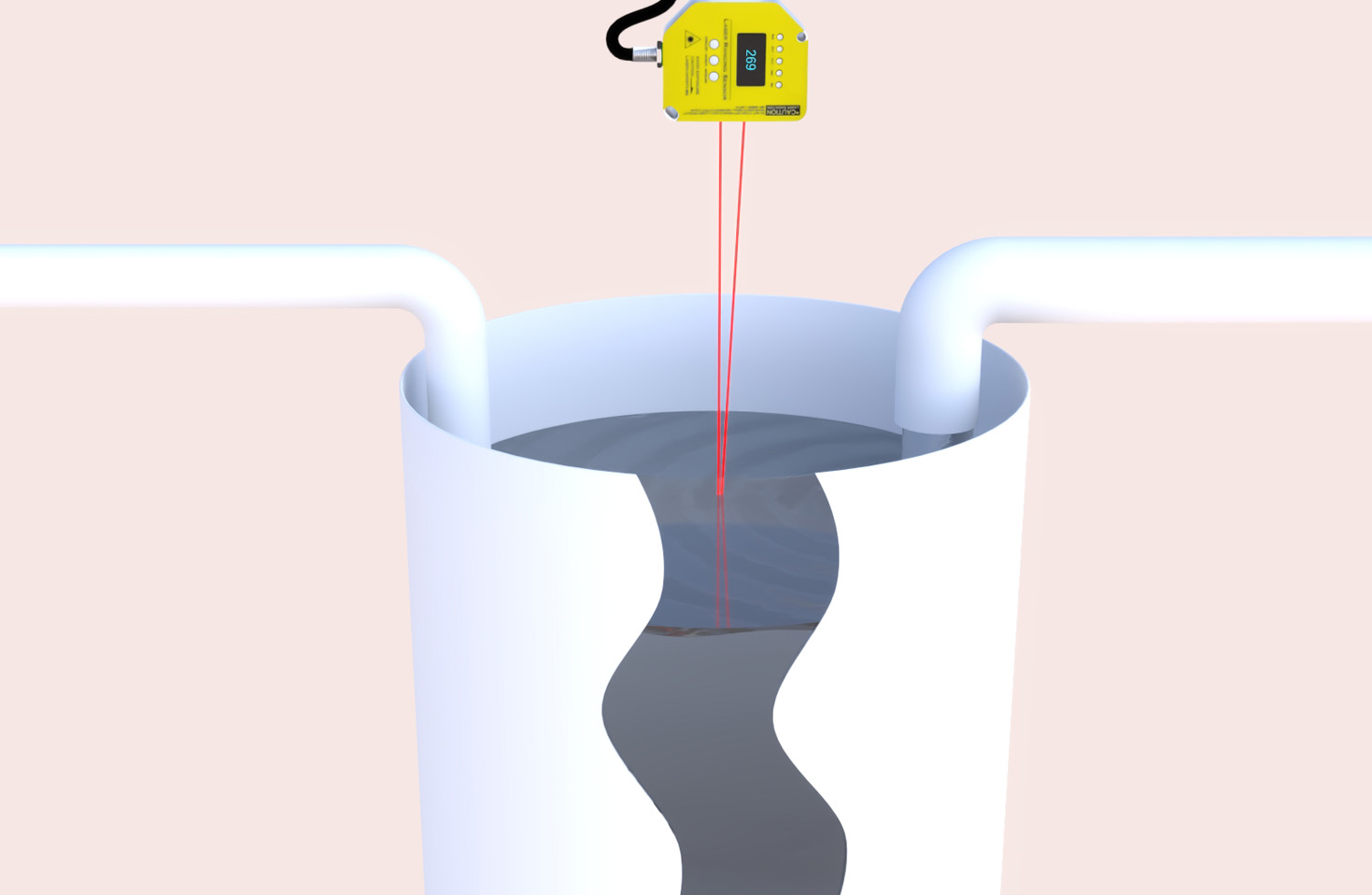
Internal pressure management is equally crucial. Sensors designed for variable pressure environments, such as those used in deep-sea robotics or pressurized tanks, often incorporate pressure-equalization mechanisms. These can be simple breather vents with hydrophobic membranes that allow air to pass while blocking moisture, or more complex systems with internal compensators that balance the pressure between the sensor's interior and its surroundings. Without such features, a pressure differential could cause housing deformation, misalignment of optical components, or condensation on lenses, leading to measurement drift or catastrophic failure.
Key specifications to evaluate include the maximum allowable pressure, often stated in units like bar, psi, or MPa. For instance, a sensor rated for 10 bar static pressure can withstand the equivalent force of water at a depth of approximately 100 meters. It is vital to distinguish between static pressure (constant force) and dynamic pressure (fluctuating force, as in pulsating fluid systems), as the latter imposes additional mechanical stress. Furthermore, the sensor's operating temperature range must be considered in conjunction with pressure, as thermal expansion can affect seal integrity. Manufacturers typically provide detailed pressure-temperature curves in datasheets to guide safe operation limits.
Applications demanding high pressure resistance are diverse. In the oil and gas industry, sensors monitor drill bit position or tank levels in high-pressure wells. In automotive manufacturing, they perform dimensional checks on components within pressurized testing chambers. Even in food and beverage processing, sensors used in clean-in-place (CIP) systems must endure frequent high-pressure steam and chemical cleaning cycles. Selecting the right sensor involves matching its pressure rating to the application's peak conditions, including potential pressure spikes, and verifying compatibility with any media (e.g., oil, chemicals) it may contact.
Regular maintenance and correct installation are paramount for sustained performance. Ensure that sealing surfaces are clean and undamaged during mounting, and follow torque specifications for screws to avoid compromising seals. In systems with rapid pressure changes, consider adding protective buffering or surge suppressors. Periodically inspect seals for wear, especially in cyclic pressure environments, and replace them according to the manufacturer's schedule.
In conclusion, pressure resistance is a fundamental aspect of laser distance sensor durability in challenging industrial settings. By understanding the engineering behind robust housings, effective sealing, and pressure equalization, engineers can make informed choices that enhance system reliability. Always consult technical datasheets and, when in doubt, engage with sensor manufacturers to validate suitability for specific pressure scenarios. Investing in a properly rated sensor not only prevents costly downtime but also ensures accurate, repeatable measurements under pressure.