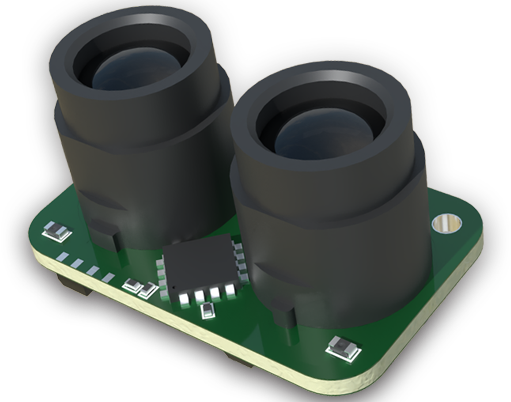
In the realm of precision measurement and automation, laser autofocus sensors have become indispensable components across various industries, including semiconductor manufacturing, robotics, and medical devices. These sensors leverage advanced optical and electronic principles to achieve high-accuracy distance detection and focusing, ensuring optimal performance in applications where minute deviations can lead to significant errors. At their core, laser autofocus sensors consist of several key elements that work in harmony to deliver reliable, real-time data.
The primary component is the laser diode, which emits a coherent, focused beam of light toward the target surface. Typically operating in the visible or near-infrared spectrum, these diodes are selected for their stability and wavelength consistency, which directly impact measurement precision. The emitted laser beam interacts with the target, and the reflected light is captured by a photodetector array, such as a CCD (Charge-Coupled Device) or CMOS (Complementary Metal-Oxide-Semiconductor) sensor. This array converts optical signals into electrical signals, forming the basis for distance calculation.
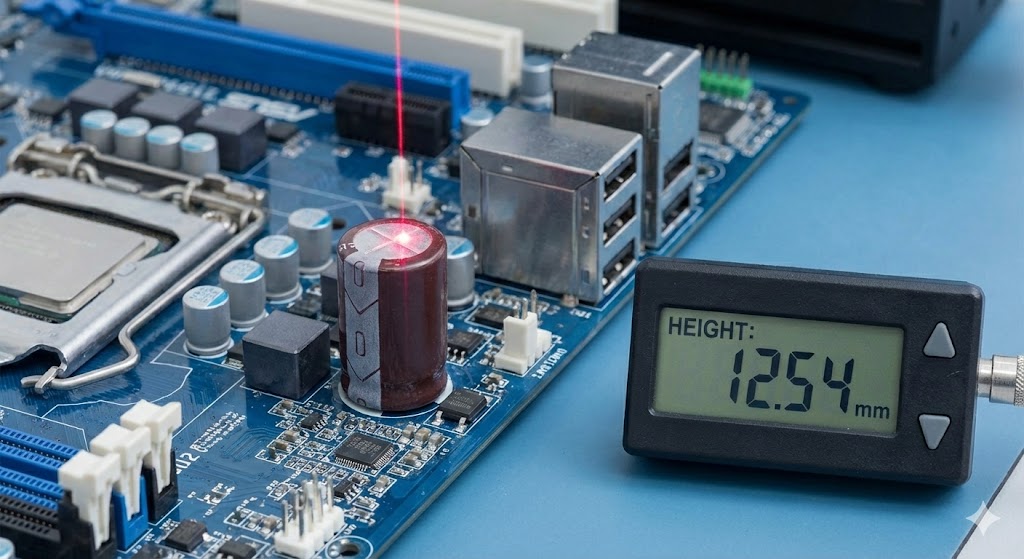
Signal processing circuitry is another critical element, responsible for analyzing the data from the photodetector. Modern sensors often incorporate microcontrollers or DSPs (Digital Signal Processors) that execute algorithms to determine the focal point based on phase detection, triangulation, or confocal methods. For instance, in triangulation-based sensors, the position of the reflected laser spot on the detector shifts proportionally to the target distance, allowing for precise computation. Additionally, environmental factors like ambient light or surface reflectivity are compensated through adaptive filtering and calibration routines embedded in the firmware.
Mechanical and optical components, including lenses, apertures, and housings, ensure the laser beam remains collimated and protected from external interference. High-quality lenses minimize aberrations, while rugged enclosures safeguard sensitive electronics from dust, humidity, and mechanical shocks, extending the sensor's operational lifespan. Integration with industrial communication protocols, such as IO-Link or Ethernet/IP, enables seamless data exchange with broader control systems, facilitating automation in smart factories.
The evolution of laser autofocus sensors has been driven by miniaturization and enhanced computational power. Recent advancements incorporate MEMS (Micro-Electro-Mechanical Systems) technology for beam steering and AI-driven algorithms for predictive maintenance, reducing downtime in critical processes. As industries push toward higher resolutions and faster response times, ongoing research focuses on improving signal-to-noise ratios and expanding compatibility with diverse materials, from transparent glass to rough metallic surfaces.
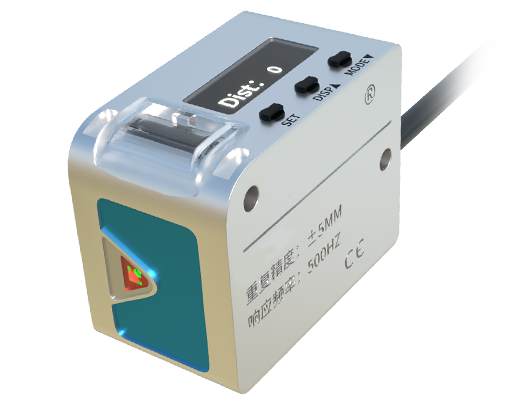
In summary, laser autofocus sensor components represent a synergy of optics, electronics, and software engineering. Their design prioritizes accuracy, durability, and adaptability, making them vital for applications ranging from precision engraving to automated inspection systems. Understanding these components not only aids in selection and integration but also underscores the importance of interdisciplinary innovation in advancing electrical engineering solutions.