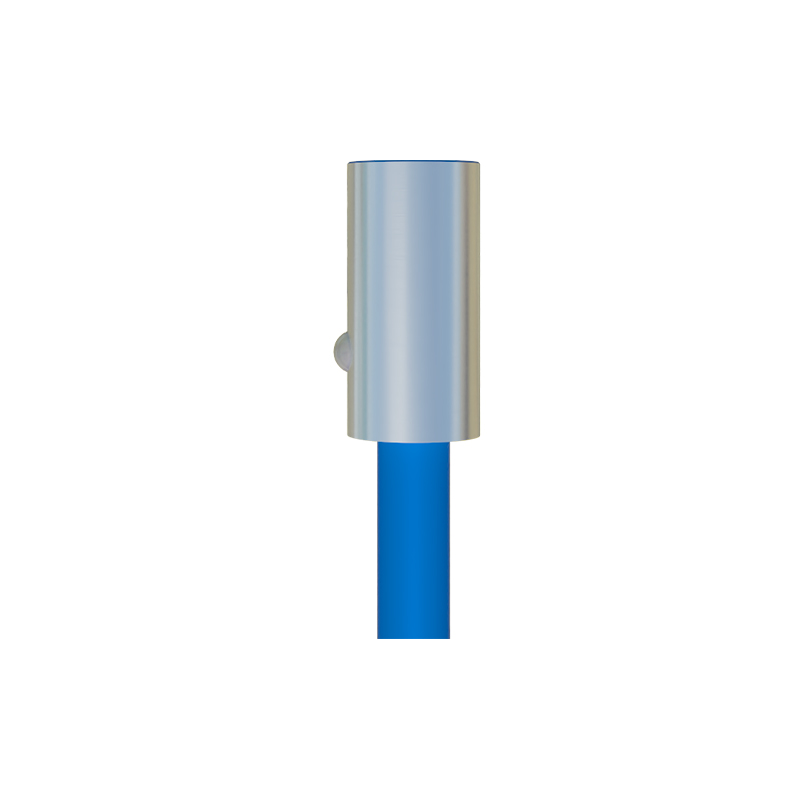
In the realm of industrial automation, the efficacy of machinery and production lines heavily relies on the precision and reliability of sensing components. Among these, proximity sensors play a pivotal role, enabling non-contact detection of objects, thereby enhancing operational efficiency and safety. Leiwo original proximity sensors stand out as a benchmark in this domain, engineered to meet the rigorous demands of modern industrial applications.
Leiwo proximity sensors are designed with cutting-edge technology, offering high accuracy and stability across diverse environments. These sensors utilize electromagnetic fields, capacitive sensing, or inductive principles to detect the presence or absence of metallic and non-metallic objects without physical contact. This non-invasive detection method minimizes wear and tear, significantly extending the lifespan of both the sensor and the machinery it monitors. One of the key advantages of Leiwo sensors is their robust construction, which ensures consistent performance even in harsh conditions such as extreme temperatures, humidity, dust, and vibration. This durability makes them ideal for use in industries like automotive manufacturing, packaging, material handling, and robotics, where downtime can lead to substantial financial losses.
The operational principle of Leiwo proximity sensors is rooted in their ability to generate an oscillating electromagnetic field. When a target object enters this field, it causes a change in the oscillation amplitude or frequency, which the sensor detects and converts into an electrical signal. This signal can then be used to trigger actions in control systems, such as stopping a conveyor belt, counting items, or positioning components with pinpoint accuracy. Leiwo offers a wide range of proximity sensors, including inductive, capacitive, and magnetic variants, each tailored to specific applications. For instance, inductive sensors are optimized for detecting metallic objects, while capacitive sensors can identify materials like plastic, wood, or liquids, providing versatility in complex automation setups.
Installation and integration of Leiwo proximity sensors are streamlined for user convenience. They feature standardized housing designs and mounting options, allowing for easy retrofitting into existing systems. Many models come with LED indicators for real-time status monitoring, and adjustable sensing distances to fine-tune performance. Additionally, Leiwo sensors are compatible with major industrial communication protocols, such as IO-Link, PROFINET, and EtherNet/IP, facilitating seamless connectivity within smart factory ecosystems. This interoperability is crucial for Industry 4.0 initiatives, where data exchange and real-time analytics drive optimization and predictive maintenance.
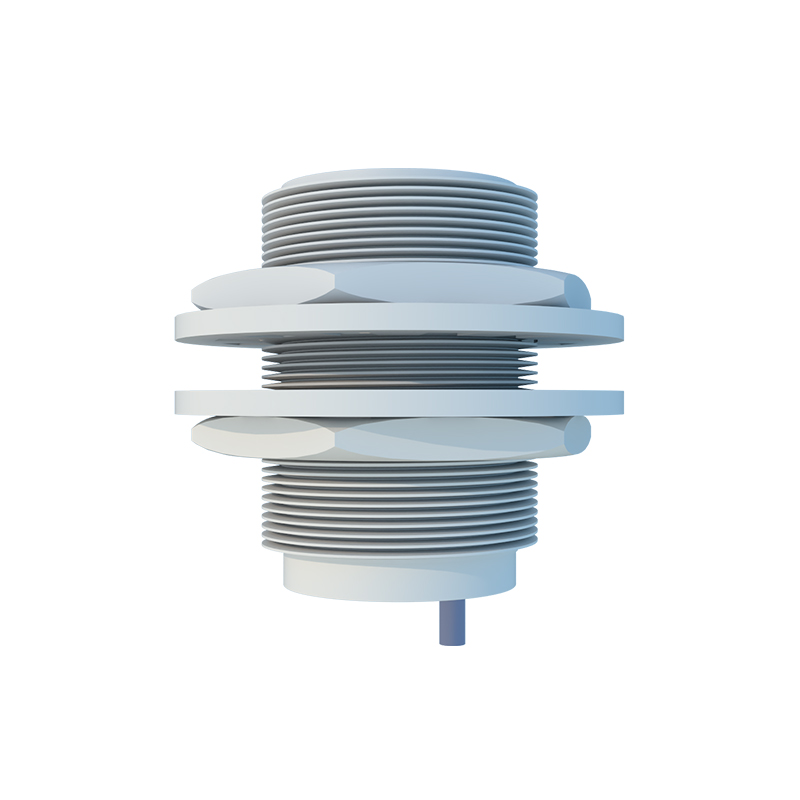
From a technical perspective, Leiwo proximity sensors excel in parameters like response time, repeat accuracy, and environmental resistance. Typical response times are in the microsecond range, enabling high-speed detection essential for fast-paced production lines. Repeat accuracy ensures that sensors consistently detect objects at the same distance, reducing errors and improving product quality. Moreover, Leiwo incorporates advanced shielding techniques to prevent interference from adjacent sensors or electrical noise, a common challenge in densely packed industrial settings. This attention to detail underscores Leiwo's commitment to delivering components that not only meet but exceed industry standards.
In terms of maintenance, Leiwo proximity sensors require minimal upkeep due to their solid-state design and lack of moving parts. Regular cleaning of the sensing face to remove contaminants like oil or debris is usually sufficient to maintain optimal performance. The company also provides comprehensive technical support and documentation, including datasheets, wiring diagrams, and application guides, to assist engineers in selection and troubleshooting. This support network ensures that users can maximize the benefits of Leiwo sensors throughout their lifecycle.
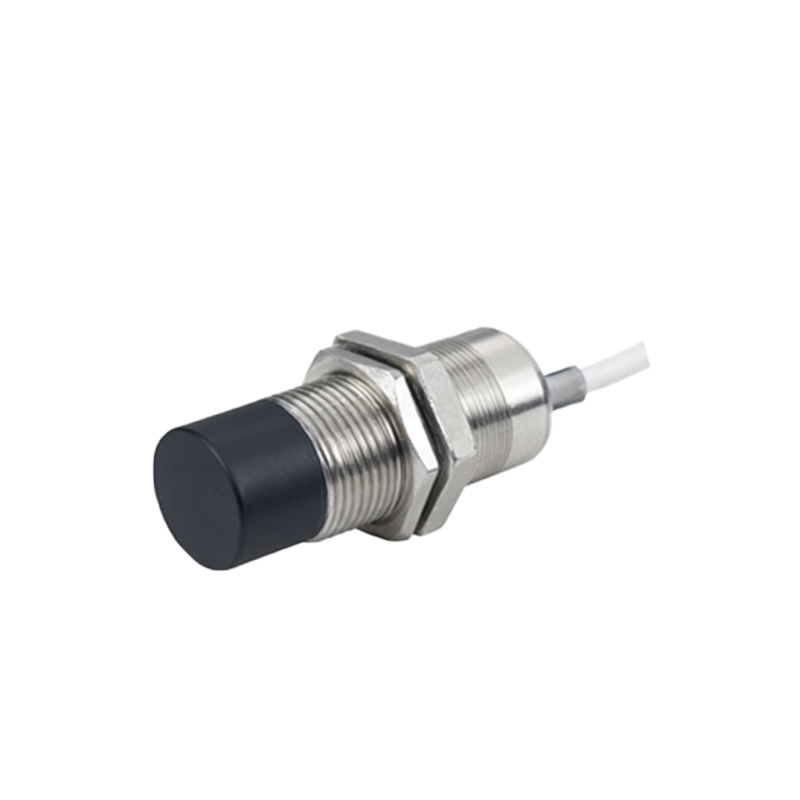
Case studies from various sectors highlight the impact of Leiwo proximity sensors. In automotive assembly lines, they enable precise part detection for robotic welding and painting, enhancing safety and efficiency. In food and beverage processing, capacitive sensors monitor liquid levels in tanks, preventing overflow and ensuring hygiene compliance. These real-world applications demonstrate how Leiwo sensors contribute to smoother operations, reduced waste, and higher throughput, ultimately boosting profitability for businesses.
Looking ahead, Leiwo continues to innovate, with ongoing research into miniaturization, energy efficiency, and enhanced sensing capabilities. As industries evolve towards greater automation and connectivity, the demand for reliable proximity sensors will only grow. Leiwo's dedication to quality and technological advancement positions it as a trusted partner for engineers seeking robust solutions. By choosing Leiwo original proximity sensors, companies invest in a foundation of precision that drives long-term success in the competitive landscape of industrial automation.