In the realm of industrial automation and control systems, proximity sensors play a pivotal role in detecting the presence or absence of objects without physical contact. Among the various types, inductive proximity sensors are particularly renowned for their reliability in detecting metallic targets. A critical advancement in this technology is the application of specialized metal surface coatings to the sensor housing and sensing face. These coatings are not merely cosmetic; they are engineered to significantly enhance sensor performance, longevity, and suitability for harsh operating environments.
The primary function of a metal surface coating on a proximity sensor is to provide a robust protective barrier. Industrial settings are often replete with challenges such as abrasive dust, corrosive chemicals, extreme temperatures, and mechanical impacts. A standard sensor housing, typically made from plastics like PBT or metals like stainless steel, may succumb to these conditions over time. Coatings such as nickel-plating, zinc-nickel alloys, or specialized polymer-based layers are applied to create a shield. For instance, a sensor with a nickel-plated brass housing offers superior resistance to corrosion from coolants, oils, and mild acidic or alkaline substances commonly found in machining and automotive manufacturing lines. This directly translates to reduced downtime and lower maintenance costs, as the sensors require less frequent replacement.
Beyond protection, the coating material can directly influence the sensor's sensing characteristics. Inductive proximity sensors generate an electromagnetic field from a coil inside the device. When a metallic target enters this field, eddy currents are induced, causing a change in the oscillation amplitude that is detected by the sensor. The material and thickness of the sensor's own front face coating can affect the shape and strength of this electromagnetic field. Manufacturers meticulously calibrate sensors to account for this. A coating that is too thick or made from a highly conductive material might slightly reduce the nominal sensing distance. Therefore, high-quality coated sensors undergo rigorous testing to ensure their rated sensing distance (Sn) is maintained and stable. Some advanced coatings are designed to be "electromagnetically transparent," offering physical protection without interfering with the sensor's core inductive function.
Another crucial consideration is hygiene and cleanability in industries like food and beverage or pharmaceuticals. Here, sensors often require coatings that comply with FDA or EHEDG standards. A smooth, impervious electropolished stainless steel housing with a specific passivation layer is common. This coating prevents bacterial growth, withstands frequent high-pressure washdowns with caustic cleaning agents, and resists pitting corrosion. The coating ensures the sensor can be thoroughly cleaned without degrading, maintaining both operational integrity and stringent hygienic requirements.
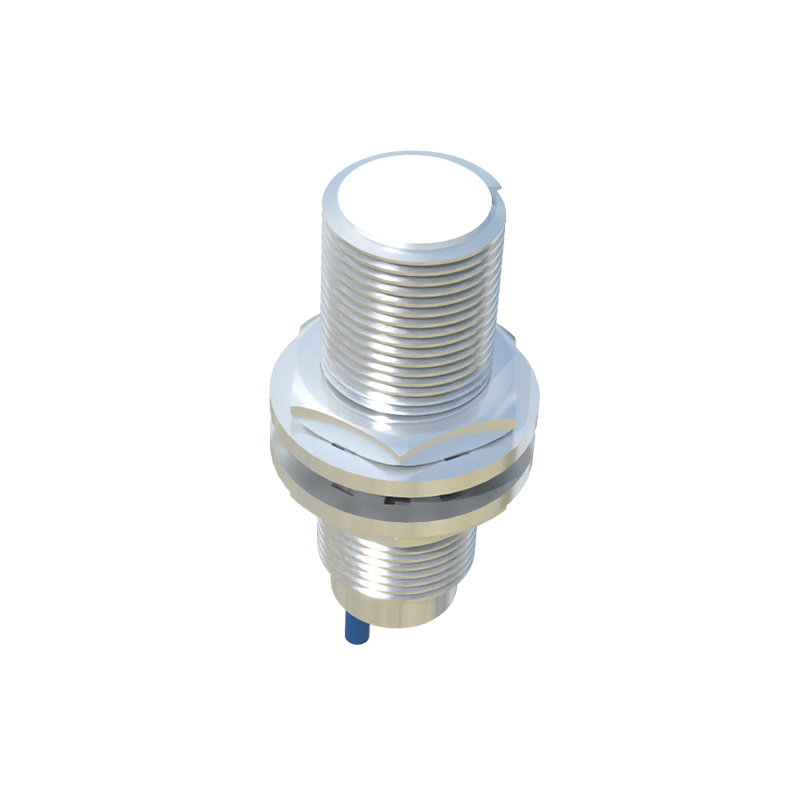
The selection of the appropriate coating is a nuanced decision for engineers. It involves a careful analysis of the application's environmental stressors. For welding applications, sensors are exposed to spatter—molten metal droplets that can adhere to and damage the sensing face. A specialized PTFE (Teflon) or ceramic coating is applied here. This coating creates a non-stick surface, causing most welding spatter to bead up and roll off, preventing buildup that could blind the sensor. The coating must also withstand the high radiant heat from the welding arc without degrading.
In summary, metal surface coatings on proximity sensors are a testament to the sophistication embedded in modern industrial components. They transform a standard sensor into a ruggedized solution tailored for specific adversarial conditions. From nickel plating for general corrosion resistance to PTFE for welding zones and electropolished finishes for sanitary applications, these coatings are integral to achieving high reliability and precision in automated systems. When specifying proximity sensors for a new project or a retrofit, engineers must give paramount importance to the environmental profile and select the sensor with the coating technology that offers optimal protection without compromising detection performance. This foresight ensures seamless integration, maximizes mean time between failures (MTBF), and safeguards the productivity of the entire automated process.