In the realm of industrial automation, precision and reliability are paramount. While standard proximity sensors are ubiquitous, they often fall short when faced with unique or demanding application challenges. This is where non-standard proximity switch sensors come into play, offering tailored solutions that bridge the gap between off-the-shelf components and specific operational needs. Unlike their mass-produced counterparts, these sensors are engineered or modified to meet exact specifications for sensing range, form factor, environmental resistance, and output signal.
The primary driver for adopting non-standard sensors is the limitation of standard models. A standard inductive proximity sensor, for instance, might have a nominal sensing distance of 8mm for a 30mm diameter housing. But what if the required installation space only allows for a 12mm diameter sensor, yet the same 8mm range is critical? A standard solution does not exist. A non-standard sensor can be designed with a specialized coil and circuit to achieve this performance in a miniaturized package. Similarly, applications involving extreme temperatures—whether in cryogenic freezing tunnels or near foundry furnaces—demand housings and internal electronics rated beyond commercial grades. Custom seals, high-temperature cables, and specialized potting compounds become necessary, transforming a standard component into a robust, non-standard solution.
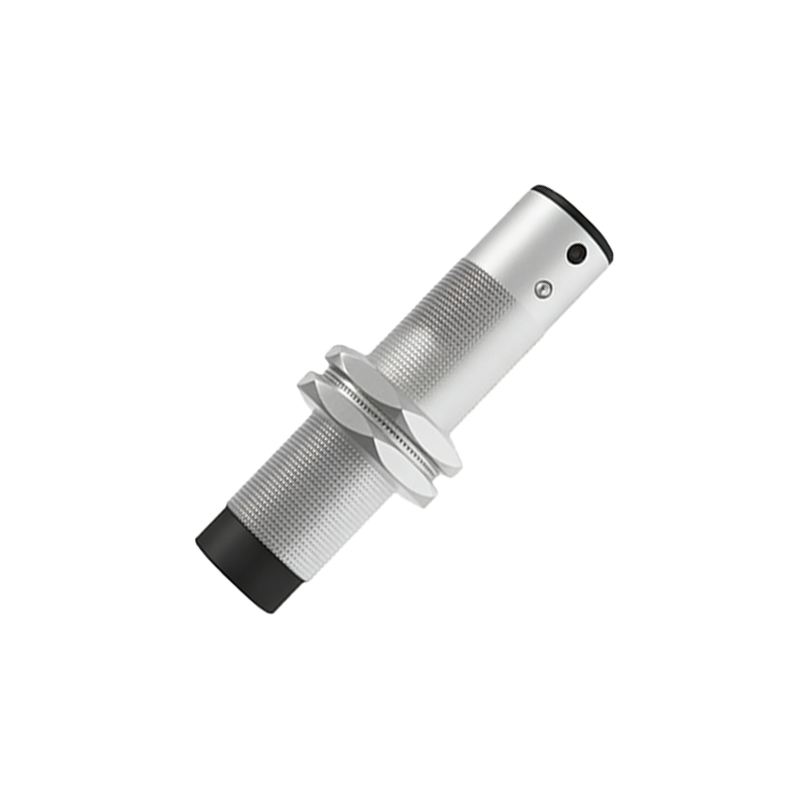
Another critical area is material compatibility. Standard inductive sensors detect metals, typically ferrous ones like iron and steel, with optimal range. However, industries dealing with non-ferrous metals, specific alloy grades, or even non-metallic materials like plastics or glass require different sensing principles or calibrations. Capacitive non-standard sensors can be tuned to detect specific materials by adjusting their sensitivity to the dielectric constant of the target. For example, a sensor can be customized to reliably detect a precise level of liquid inside a glass container or the presence of a particular plastic cap on a production line, ignoring other materials in close proximity.
Electrical and output characteristics are also frequently customized. While most sensors offer standard PNP/NPN transistor outputs, some control systems require analog current (4-20mA) or voltage (0-10V) outputs for proportional distance measurement. Others might need specialized interfaces like IO-Link for advanced diagnostics and parameter setting. Non-standard sensors integrate these specific electronic requirements from the ground up. Furthermore, mechanical design adaptations are common. This includes custom thread sizes, flange mounts, barrel shapes, or even bendable sensor heads to navigate complex machinery geometries. The cable exit angle, connector type, and cable length are often specified to simplify installation and maintenance in cramped control panels.
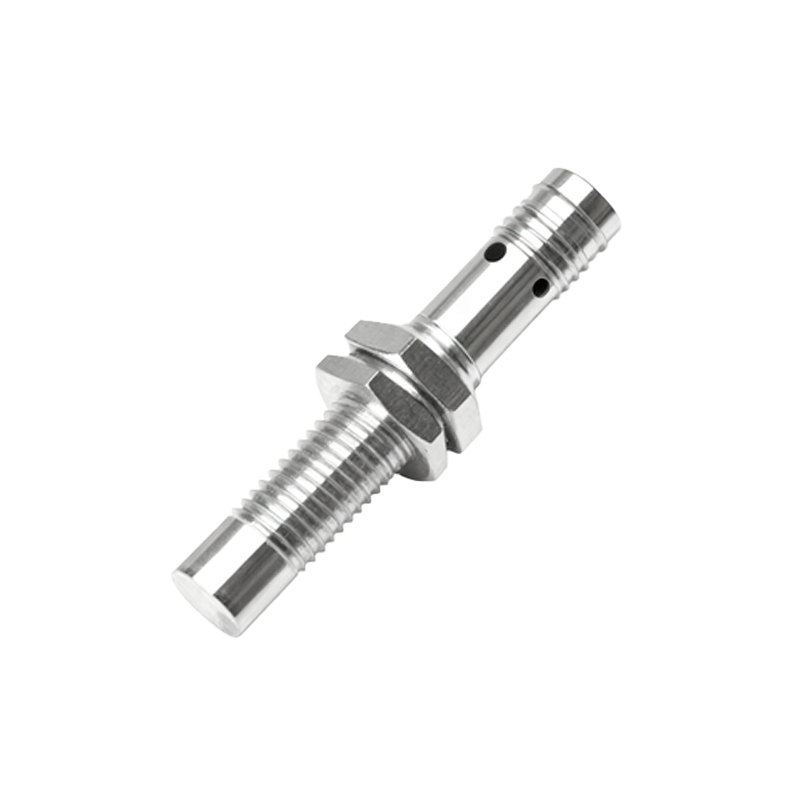
The development process for a non-standard proximity sensor is inherently collaborative. It begins with a detailed application analysis: the target material, required sensing distance, environmental conditions (temperature, pressure, washdown chemicals, IP rating), power supply, output signal, and physical space constraints. Prototypes are then built and tested, often undergoing rigorous validation in simulated or real-world conditions. This ensures the sensor not only functions upon installation but also maintains long-term stability and reliability. For OEMs building specialized machinery, this co-engineering process results in a proprietary component that enhances the performance and uniqueness of their final product.
Despite the clear advantages, considerations exist. Lead times for non-standard sensors are longer, and unit costs are higher than for standard catalog items. However, the total cost of ownership often tells a different story. A perfectly tailored sensor eliminates the need for makeshift mounting brackets, additional signal converters, or frequent replacements due to failure. It increases system uptime, improves product quality through consistent detection, and reduces maintenance overhead. In high-volume production lines, even a minor reduction in false triggers or misreads translates to significant savings.
From food and beverage packaging lines requiring ultra-sanitary stainless steel designs with special coatings, to automotive welding robots needing sensors immune to intense electromagnetic interference, to semiconductor fabrication equipment demanding vacuum-compatible and particle-free models, non-standard proximity switches are the unsung heroes. They provide the critical link that standard components cannot, enabling automation in the most challenging environments. As industries push towards greater flexibility, miniaturization, and smart manufacturing, the role of these customized sensing solutions will only expand, moving beyond simple presence detection to becoming intelligent data points within interconnected industrial ecosystems.