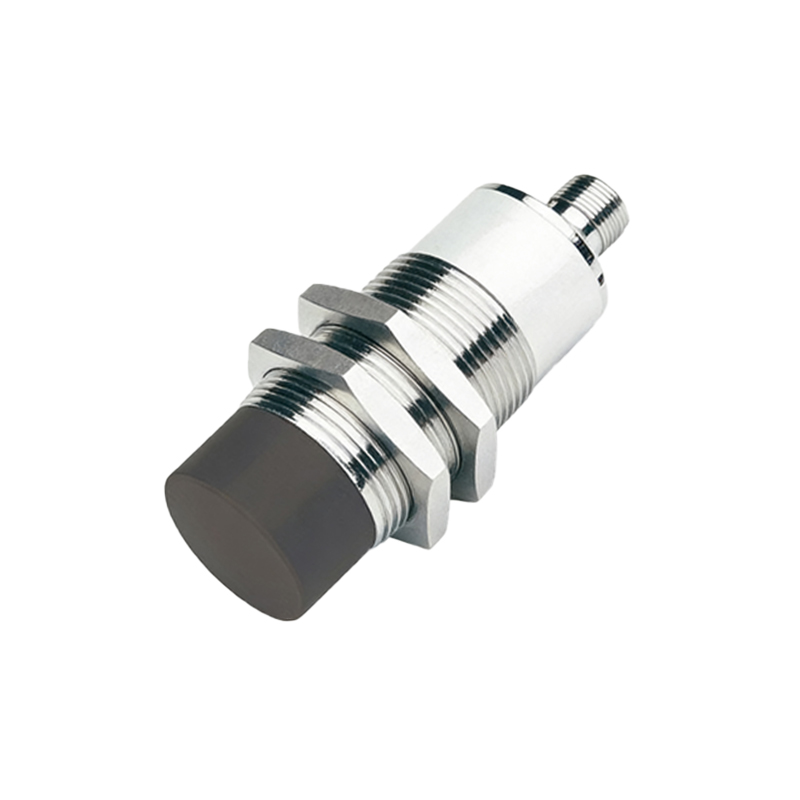
In modern industrial automation, proximity sensors are indispensable components for detecting the presence or absence of objects without physical contact. However, one of the most persistent challenges in harsh operational environments is dust contamination. Dust particles, whether metallic, plastic, or organic, can interfere with sensor functionality, leading to false triggers, reduced sensitivity, or complete failure. This article explores the mechanisms and design features that enable proximity sensors to maintain reliable performance in dusty conditions.
Proximity sensors operate primarily on electromagnetic, capacitive, or optical principles. Each type faces unique vulnerabilities to dust. Inductive sensors, for instance, generate an electromagnetic field to detect metallic objects. Dust accumulation on the sensor face can attenuate this field, diminishing effective sensing ranges. Capacitive sensors, which detect changes in capacitance caused by nearby objects, may misinterpret dust buildup as a target presence. Optical sensors, relying on light beams, are particularly susceptible to dust obscuring lenses or reflectors, disrupting signal transmission.
To combat these issues, manufacturers integrate several protective strategies. Enclosure design is paramount; sensors are often housed in robust, sealed casings rated according to international standards like IP67 or IP69K. These ratings ensure resistance to dust ingress and high-pressure water jets, making sensors suitable for industries such as mining, woodworking, or food processing. Materials like stainless steel or engineered polymers are selected for durability and ease of cleaning.
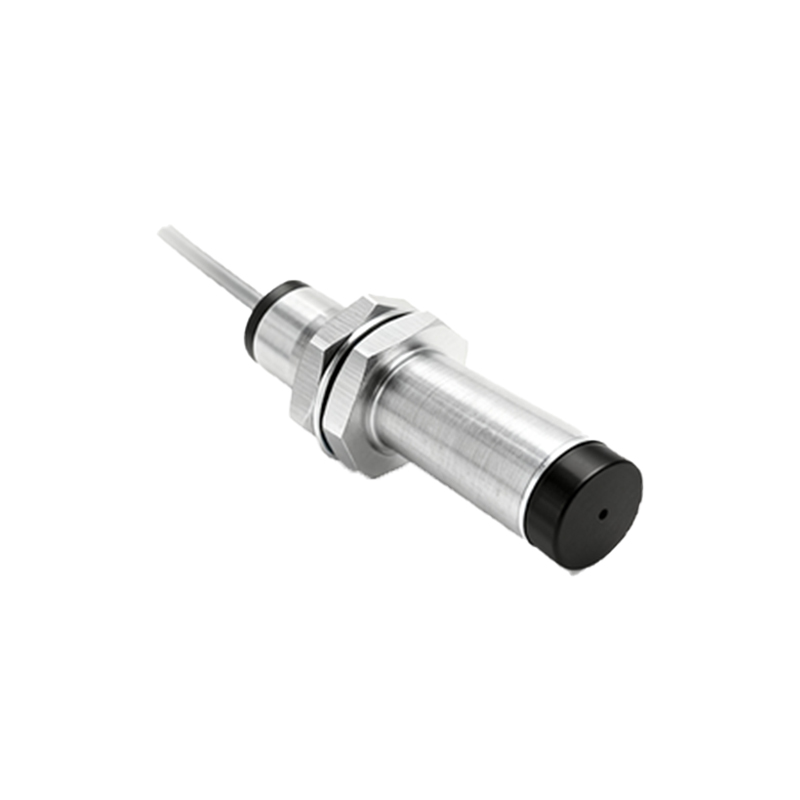
Additionally, advanced sensing technologies enhance dust resistance. Self-cleaning mechanisms, such as air purging systems, use compressed air to blow dust away from critical areas. Some optical sensors feature lens coatings that repel dust or utilize hydrophobic surfaces to prevent adhesion. In inductive sensors, frequency modulation techniques help distinguish between dust interference and genuine target signals, reducing false readings.
Environmental sealing extends beyond the housing to include cable glands and connector interfaces. Proper installation practices, such as mounting sensors at angles that minimize dust accumulation or using protective shrouds, further bolster longevity. Regular maintenance, including scheduled cleaning with non-abrasive tools, is essential but minimized by these built-in defenses.
Case studies from automotive manufacturing illustrate the effectiveness of dust-resistant proximity sensors. In welding shops, where metal particulates are pervasive, sensors with IP67 ratings maintain consistent detection of robotic arm positions, preventing production halts. Similarly, in agricultural machinery, sensors withstand grain dust, ensuring precise control of conveyor systems.
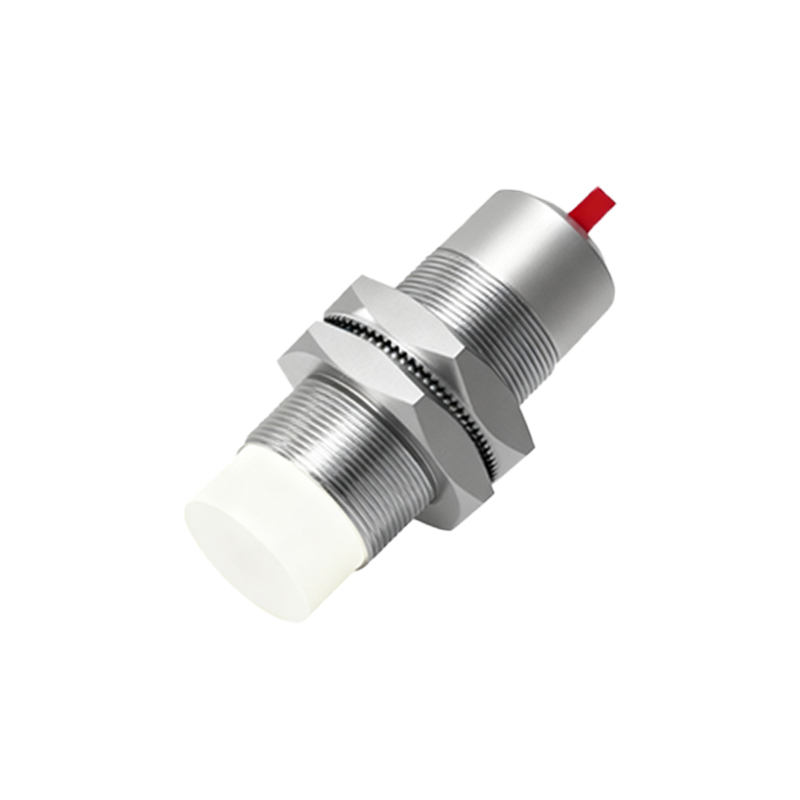
In conclusion, the resilience of proximity sensors to dust contamination stems from a combination of robust engineering, intelligent design, and adherence to protective standards. As industries evolve toward smarter factories and harsher operating zones, ongoing innovations in sensor technology will continue to prioritize reliability. By understanding and leveraging these features, engineers can select and deploy sensors that uphold efficiency and safety, even in the dustiest environments.