In the dynamic landscape of industrial manufacturing, the integration of advanced sensing technology has become a cornerstone for achieving unparalleled precision, efficiency, and safety. Among these technologies, proximity sensor machine tools stand out as critical components, fundamentally transforming how modern CNC (Computer Numerical Control) lathes, milling machines, and machining centers operate. These non-contact sensors provide a layer of intelligence that allows machines to perceive their environment and workpiece, leading to a new era of automated, reliable, and high-quality production.
At its core, a proximity sensor on a machine tool is a device that detects the presence or absence of an object, typically a tool, workpiece, or part of the machine itself, without any physical contact. They operate on various principles, with inductive and capacitive sensors being the most prevalent in machining environments. Inductive sensors are ideal for detecting metallic objects, making them perfect for tool presence/breakage detection, monitoring chuck jaws, or confirming part loading. Capacitive sensors, on the other hand, can detect both metallic and non-metallic materials, useful for applications involving plastics, liquids, or composite materials.
The applications of these sensors are vast and directly impact key performance indicators. One of the most crucial uses is in tool condition monitoring. A proximity sensor can be positioned to verify that a tool is correctly seated in the spindle before a high-speed operation begins. More importantly, it can detect tool breakage in real-time. If a drill or end mill snaps during a cut, the sensor immediately signals the machine control to halt the process, preventing catastrophic damage to a costly workpiece, the machine tool itself, and avoiding potential safety hazards. This proactive approach drastically reduces scrap rates and unplanned downtime.
Another significant application is in part positioning and verification. In automated loading systems or pallet changers, proximity sensors ensure that a workpiece is precisely located on the fixture before machining commences. They confirm that a part is present, correctly oriented, and fully seated. This eliminates the risk of a machine attempting to cut into thin air or, worse, crashing into a misaligned component. This level of verification is essential for lights-out manufacturing operations, where unmanned production runs for extended periods.
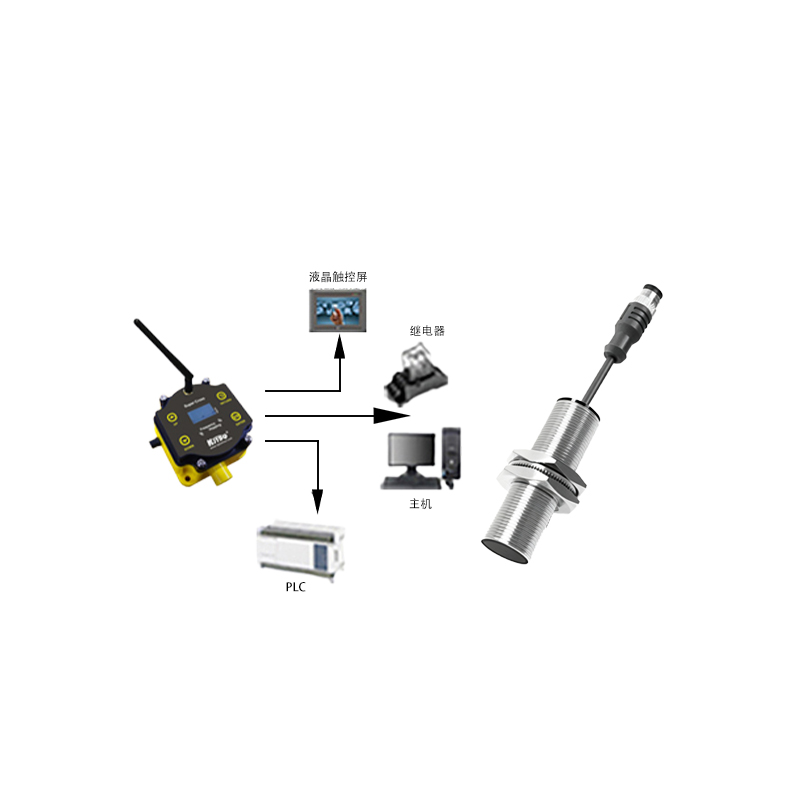
Furthermore, proximity sensors enhance machine safety and interlocks. They can be used to monitor the position of safety doors, guards, or access panels. The machine will only operate when the sensor confirms all guards are securely in place, protecting operators from moving parts. Sensors also monitor the position of tailstocks, quills, and other moving components, ensuring they are in the correct retracted or advanced position for the next operation, preventing collisions.
The benefits of integrating proximity sensors into machine tools are multifaceted. The most evident is the dramatic increase in operational reliability and equipment uptime. By preventing crashes and detecting failures early, maintenance becomes predictive rather than reactive. This leads to lower total cost of ownership. Precision is also enhanced, as sensors provide consistent, repeatable feedback that mechanical limit switches or manual checks cannot match. This consistency is vital for maintaining tight tolerances in industries like aerospace, automotive, and medical device manufacturing.
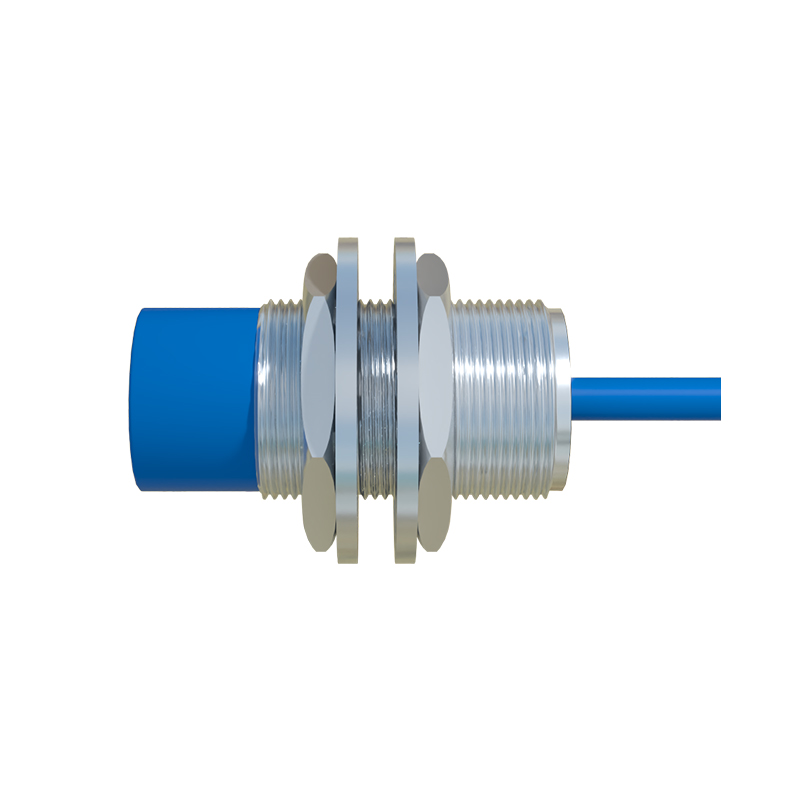
Moreover, the data from these sensors can be fed into the machine's CNC system or a broader Manufacturing Execution System (MES) or Industrial Internet of Things (IIoT) network. This creates a digital thread of information, allowing for real-time monitoring of machine health, tool life, and process stability. It enables data-driven decision-making for optimizing cutting parameters, scheduling preventive maintenance, and improving overall equipment effectiveness (OEE).
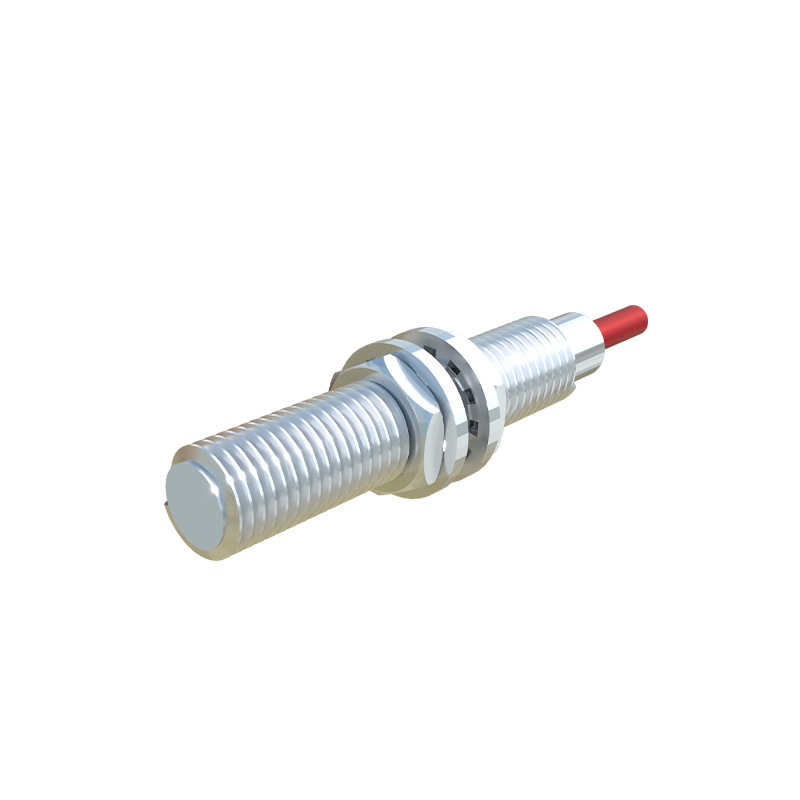
When selecting and implementing proximity sensors for machine tools, several factors must be considered. The sensing range, environmental resilience (to coolants, metal chips, oil, and vibration), response time, and output type (PNP/NPN) must be compatible with the harsh machine shop environment. Proper mounting and shielding are critical to avoid interference from other electrical noise generated by spindle drives and motors.
In conclusion, proximity sensors are no longer optional accessories but essential elements of intelligent, modern machine tools. They act as the digital senses of the machine, providing the critical feedback needed to operate with confidence at high speeds and with complex automation. By bridging the gap between the physical machining process and digital control, they form the backbone of smarter, safer, and more productive manufacturing floors. As Industry 4.0 continues to evolve, the role of these robust and reliable sensors will only grow, further solidifying their position as indispensable allies in the pursuit of manufacturing excellence.