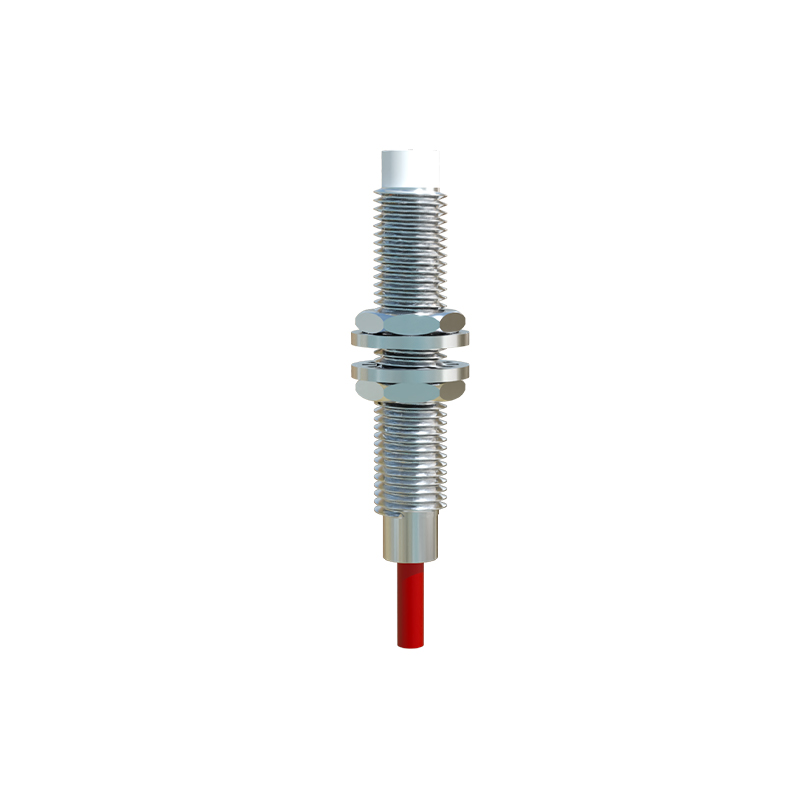
Capacitive proximity sensors, particularly the 558 series, represent a cornerstone in modern industrial automation and electrical engineering. These versatile devices operate on the principle of capacitance change, detecting the presence or absence of both conductive and non-conductive materials without physical contact. The 558 capacitive sensor switch is engineered for reliability in diverse applications, from liquid level detection and material handling to packaging and assembly lines.
The core functionality of a 558 capacitive proximity switch hinges on its oscillator circuit. The sensor face acts as one plate of a capacitor, with the target object acting as the other. When an object enters the sensor's electromagnetic field, it alters the dielectric constant, causing a change in capacitance. This change is detected by the internal circuitry, which then triggers a solid-state output switch. A key advantage of the 558 model is its adjustable sensitivity, often via a potentiometer, allowing engineers to fine-tune the detection range and ignore unwanted backgrounds like container walls. This makes it ideal for detecting materials such as plastics, glass, wood, granules, and liquids through non-metallic barriers.
From a technical specification standpoint, the 558 series typically offers both Normally Open (NO) and Normally Closed (NC) output configurations, compatible with DC (10-30V DC) or AC/DC supply voltages. Its output is usually in the form of a PNP or NPN transistor, providing a clean switching signal for PLCs, relays, or controllers. The housing is robust, often rated at IP67, ensuring protection against dust and temporary immersion, which is critical for harsh industrial environments. The sensing range, while generally shorter than inductive sensors (often up to 25mm), is perfectly suited for its intended material-agnostic role.
Installation and wiring are straightforward. The standard three-wire or four-wire configuration includes connections for power supply (brown/+), ground (blue/-), and output signal (black). Shielding and proper grounding are essential to minimize electromagnetic interference (EMI), which can cause false triggering. Engineers must consider the sensor's mounting environment; flush-mounted sensors have a reduced sensing range but are immune to lateral interference, while non-flush models offer longer ranges. Always ensure the sensor is not mounted too close to conductive materials in its fixed background, as this can affect its calibration.
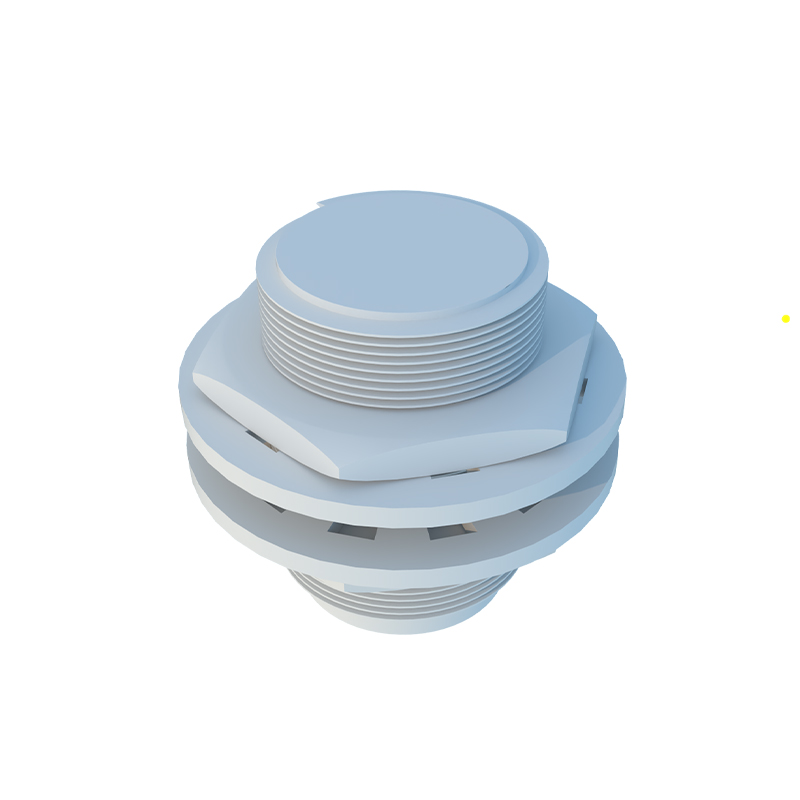
Troubleshooting common issues involves a systematic approach. If the sensor fails to detect, verify the power supply voltage, check for excessive buildup on the sensing face, and ensure the target is within the adjusted sensing range. False triggers can often be traced to environmental factors like humidity, temperature fluctuations, or EMI from nearby motors and drives. Utilizing the sensitivity adjustment is the first corrective step. For persistent problems, verifying the load current against the sensor's switching capacity is crucial to prevent output stage damage.
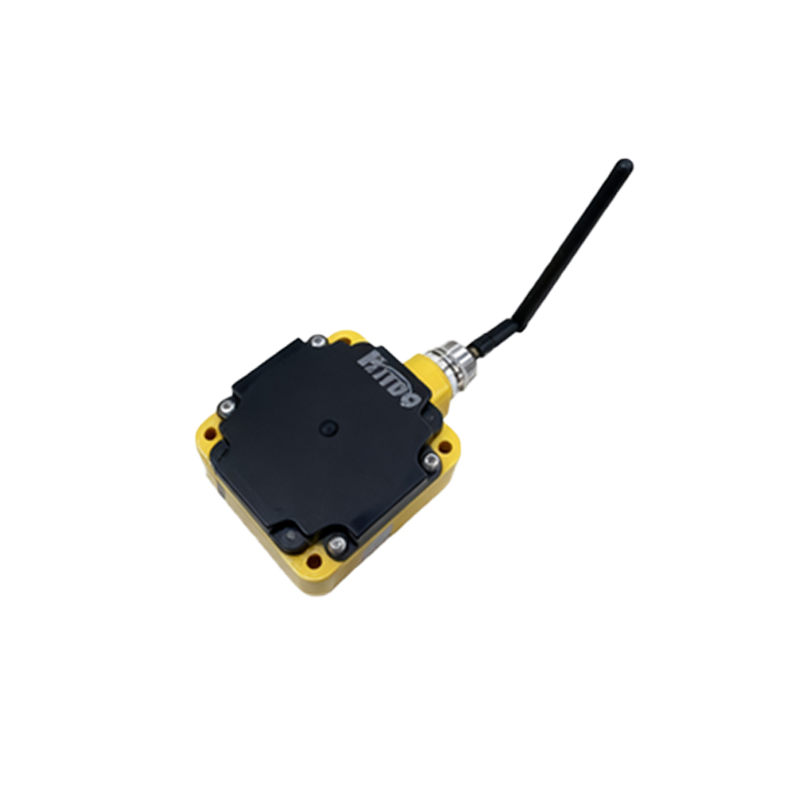
In application, the 558 capacitive sensor excels in scenarios where other sensors fail. For instance, in a bottling plant, it can reliably detect the fill level of a liquid inside a plastic or glass bottle. In woodworking, it can sense the presence of wooden panels on a conveyor. Its ability to function with non-metals expands the possibilities for automation design. When integrating with a control system, the fast switching speed and high repeat accuracy of the 558 contribute to increased line efficiency and reduced downtime.
Looking forward, the integration of IO-Link communication in newer variants of capacitive sensors like the 558 is a significant trend. This allows for remote parameter setting, condition monitoring, and advanced diagnostics, paving the way for Industry 4.0 smart factories. For any electrical engineer, mastering the selection, application, and troubleshooting of the 558 capacitive proximity sensor switch is a fundamental skill that enhances system robustness and innovation in automated solution design.