In industrial automation and control systems, laser sensors have become indispensable tools for precision measurement, object detection, and quality inspection. Their ability to deliver high accuracy, fast response, and non-contact operation makes them ideal for demanding environments. However, the performance and longevity of these sensors heavily depend on proper pre-installation planning and site assessment. Neglecting this critical phase can lead to measurement errors, frequent failures, and increased downtime, ultimately impacting productivity and cost-efficiency.
The first step in any successful installation is a thorough environmental evaluation. Laser sensors, particularly those using visible or infrared beams, are sensitive to ambient conditions. Factors such as excessive dust, smoke, oil mist, or steam can scatter or absorb the laser beam, degrading signal strength and reliability. In such contaminated atmospheres, selecting a sensor with a higher IP (Ingress Protection) rating or considering protective enclosures and air purge systems is essential. Similarly, extreme temperatures—both high and low—can affect electronic components and optical elements. It is crucial to verify that the chosen sensor model operates within the specified temperature range of the installation site. Vibration is another common industrial challenge; mounting the sensor on stable, rigid structures using appropriate anti-vibration brackets can prevent misalignment and ensure consistent readings.
The target object itself requires detailed analysis. The material, surface color, texture, and reflectivity directly influence how the laser beam is reflected or absorbed. For instance, a glossy, metallic surface may cause specular reflection, potentially directing the beam away from the receiver, while a dark, matte surface might absorb too much light. Some advanced laser sensors offer adjustable sensitivity or background suppression features to compensate for varying surface properties. The size, shape, and possible movement patterns of the target must also be considered to determine the optimal sensing range, beam spot size, and response time. For moving objects, ensuring the sensor's response speed is faster than the object's velocity is paramount to avoid missed detections.
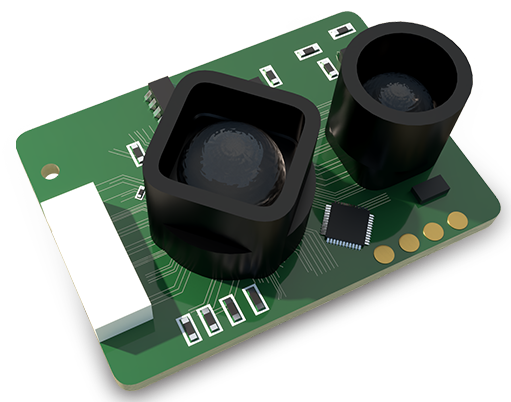
Mounting position and alignment are perhaps the most hands-on aspects of pre-installation. The sensor must be positioned to ensure an unobstructed path between the emitter and the target, and the reflected beam must reliably reach the receiver. Considerations include the angle of incidence; a perpendicular approach is often ideal for distance measurement, while angled mounting might be necessary to avoid direct specular reflection. The mounting hardware should allow for fine adjustments to achieve precise alignment. It is also vital to account for potential mechanical interference from other machines, moving parts, or personnel. Securing cables properly away from high-traffic areas, heat sources, or sharp edges prevents damage and electrical noise interference. For sensors in networked systems, planning the cable routing and connection points to controllers or PLCs in advance streamlines the final installation.
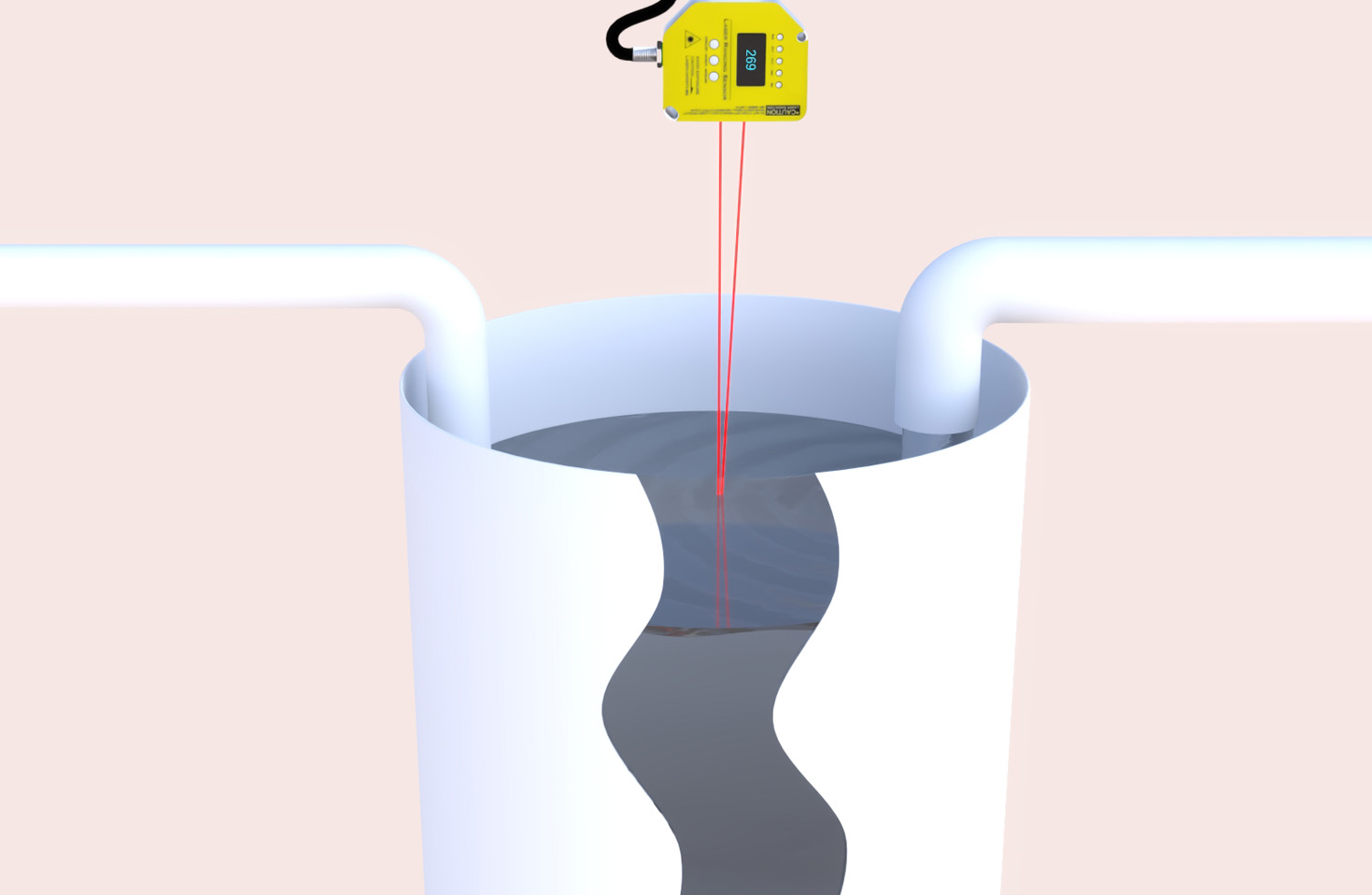
Electrical integration is a foundational element. Verifying the power supply requirements (voltage, current, AC/DC) and ensuring a clean, stable power source free from surges or spikes protects the sensor's internal circuitry. Many industrial sensors offer various output types (e.g., NPN/PNP, analog, IO-Link, Ethernet/IP). Selecting the correct output and wiring scheme compatible with the host control system is necessary for seamless communication. Implementing proper grounding techniques shields the sensor from electromagnetic interference (EMI) prevalent in facilities with motors, welders, or variable frequency drives.
Finally, a comprehensive pre-installation checklist should include a review of safety regulations. Laser sensors, especially Class 2 or higher, emit concentrated light that can be hazardous to eyesight. Ensuring the installation complies with local and international laser safety standards (like IEC 60825-1) is mandatory. This may involve installing warning labels, using protective housings, or implementing engineering controls to prevent accidental exposure to the beam during maintenance or operation.
In conclusion, the pre-installation phase for laser sensors is a systematic process that demands attention to environmental, mechanical, electrical, and safety details. By meticulously assessing the application site, understanding the target characteristics, and planning the mounting and integration, engineers can unlock the full potential of laser sensing technology, ensuring robust, accurate, and reliable performance that enhances overall system efficiency and reduces long-term operational costs. Investing time in this preparatory work is not an overhead but a critical contributor to operational excellence.