In the rapidly evolving landscape of industrial automation, laser autofocus sensors have emerged as a pivotal technology, driving precision and efficiency across diverse sectors. These sensors utilize laser beams to measure distance and adjust focus dynamically, enabling high-accuracy detection and alignment in real-time applications. Unlike traditional mechanical or optical methods, laser-based systems offer non-contact measurement, reducing wear and tear while enhancing repeatability.
One of the primary applications of laser autofocus sensors is in manufacturing and assembly lines. For instance, in electronics production, these sensors ensure precise placement of components on printed circuit boards (PCBs). By continuously monitoring the distance between the sensor and the workpiece, they compensate for variations in surface height, thereby minimizing errors in soldering or mounting processes. This capability is crucial for maintaining quality control in high-volume production environments, where even minor deviations can lead to significant defects.
Another significant domain is robotics and automated guided vehicles (AGVs). Laser autofocus sensors integrate seamlessly with robotic arms to facilitate tasks such as pick-and-place, welding, and inspection. In warehouses, AGVs equipped with these sensors navigate complex terrains by adjusting focus to detect obstacles or identify inventory labels accurately. The sensors' ability to operate in varying lighting conditions—from low-light to bright environments—makes them ideal for dynamic industrial settings.
Moreover, the medical device industry benefits extensively from laser autofocus technology. In surgical instruments and diagnostic equipment, these sensors enable precise positioning during procedures like laser eye surgery or microscopic imaging. They enhance the accuracy of tools that require micron-level adjustments, contributing to improved patient outcomes and reduced procedural risks. Additionally, in pharmaceutical manufacturing, sensors ensure consistent dosing and packaging by monitoring fill levels in vials or blister packs.

Advancements in laser autofocus sensors have also propelled their use in quality inspection systems. In automotive manufacturing, for example, sensors scan vehicle parts for defects, such as scratches or misalignments, by maintaining optimal focus across curved or uneven surfaces. Coupled with machine learning algorithms, these systems can analyze data in real-time, flagging anomalies and facilitating predictive maintenance. This integration reduces downtime and operational costs while boosting overall productivity.
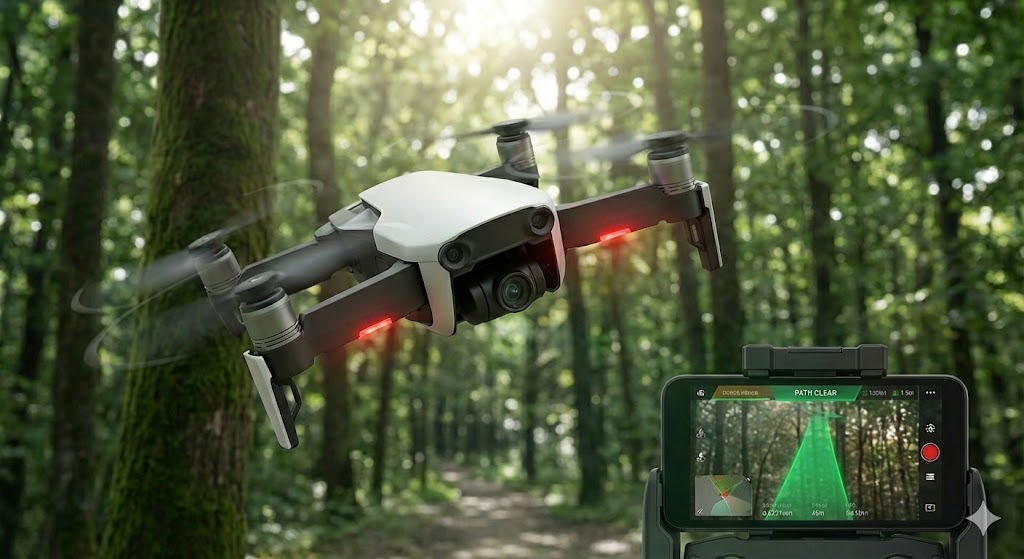
Environmental factors, such as temperature fluctuations or vibrations, traditionally posed challenges for focus stability. However, modern laser autofocus sensors incorporate adaptive algorithms and robust designs to mitigate these issues. Features like thermal compensation and shock resistance ensure reliable performance in harsh conditions, from factory floors to outdoor installations. Furthermore, the miniaturization of sensor components has enabled their deployment in compact devices, expanding applications in consumer electronics like smartphones and cameras.
Looking ahead, the convergence of laser autofocus sensors with Internet of Things (IoT) platforms is set to revolutionize smart factories. By transmitting focus data to centralized systems, these sensors enable remote monitoring and control, fostering a more interconnected and responsive production ecosystem. As industries continue to prioritize automation and precision, the demand for advanced laser autofocus solutions is expected to grow, driving innovation in sensor design and functionality.
In summary, laser autofocus sensors are indispensable tools in contemporary industrial operations, offering unparalleled accuracy, adaptability, and efficiency. Their applications span from manufacturing and robotics to healthcare and beyond, underscoring their role as enablers of technological progress. As research and development efforts advance, these sensors will likely unlock new possibilities, further solidifying their status as a cornerstone of modern engineering.