In the realm of industrial automation and control systems, proximity sensors and limit switches stand as fundamental components, each playing a critical role in ensuring operational safety, precision, and efficiency. While their functions may sometimes overlap, their underlying principles, applications, and selection criteria are distinct, making a clear understanding vital for engineers and system designers.
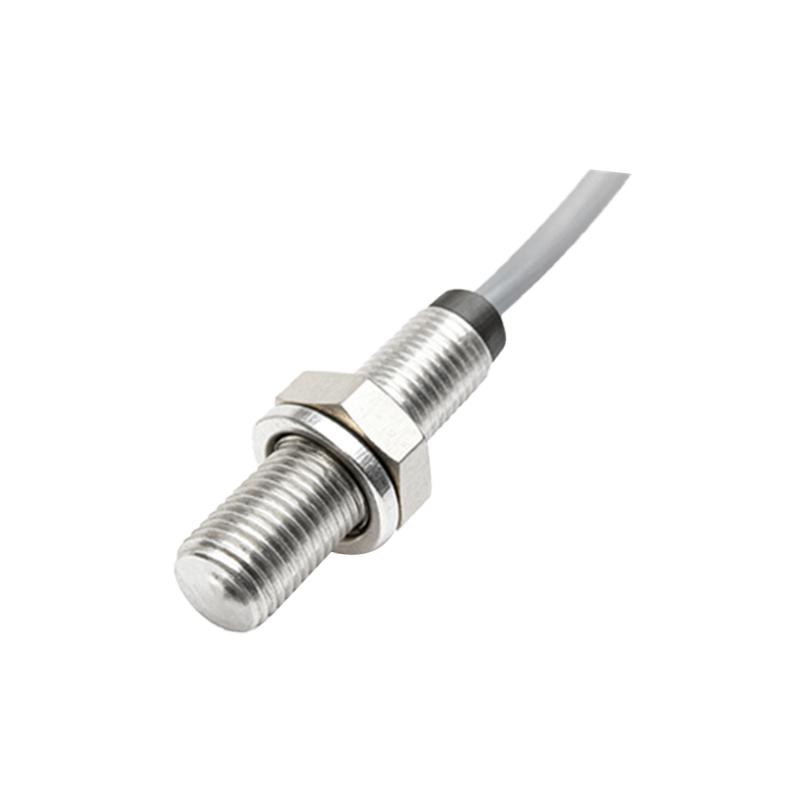
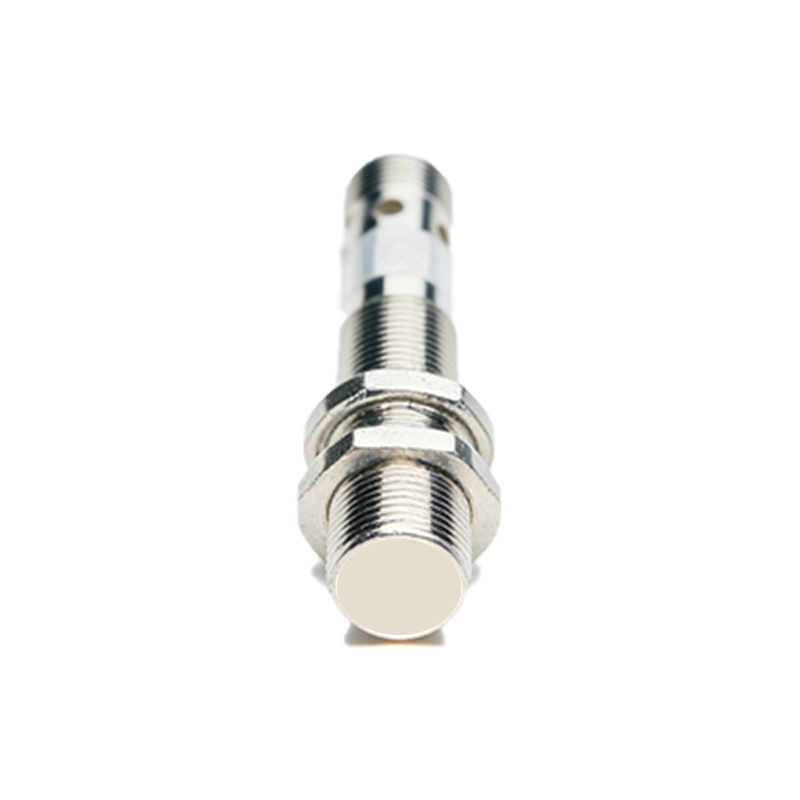
Proximity sensors are non-contact devices designed to detect the presence or absence of an object within a specified sensing range without any physical contact. They operate on various principles, the most common being inductive, capacitive, and magnetic. Inductive proximity sensors are the workhorses in metal detection. They generate an electromagnetic field and detect changes caused by a metallic target entering this field. This makes them ideal for harsh industrial environments involving machinery, conveyor systems, and robotic arms where detecting metal parts, tool positions, or end-of-travel is crucial. Their robustness, high switching frequency, and immunity to environmental factors like dust and oil are significant advantages.
Capacitive proximity sensors, on the other hand, can detect both metallic and non-metallic materials, including liquids, plastics, wood, and granules. They function by measuring changes in capacitance between the sensor and the target object. This versatility makes them suitable for level detection in tanks, material handling, and packaging applications. Magnetic proximity sensors, often referred to as reed switches or Hall-effect sensors, are specifically designed to detect permanent magnets. They are commonly used in safety applications, such as door position sensing on machinery guards, and in pneumatic cylinder position feedback.
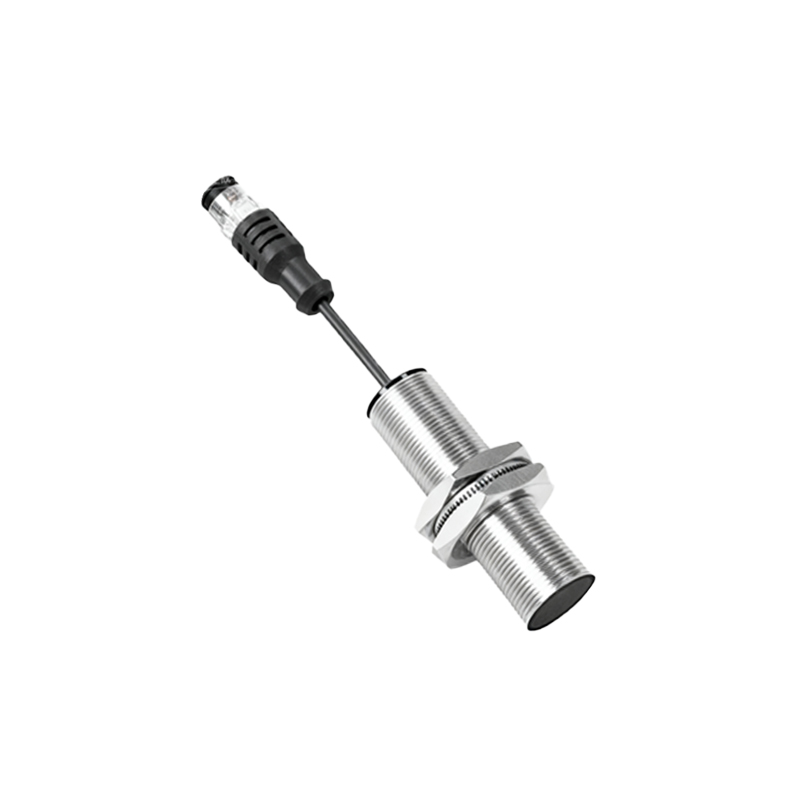
The primary benefits of proximity sensors are their longevity and reliability due to the absence of moving parts and physical contact. They offer high repeatability and fast response times, which are essential for high-speed automation processes. Their installation is relatively straightforward, though careful consideration must be given to the sensing range, target material, and environmental conditions like temperature and potential interference.
Limit switches, in contrast, are electromechanical devices that require physical contact to operate. A limit switch typically consists of an actuator (a lever, roller, or plunger) mechanically linked to a set of electrical contacts. When an object or machine part makes contact with the actuator, it moves, thereby changing the state of the contacts—opening or closing a circuit. This simple action provides a definitive signal about the physical position or limit of travel of a machine component.
Their classic application is as end-of-travel stops for linear actuators, overhead cranes, and conveyor systems, preventing mechanical overtravel that could cause damage. They are also extensively used for position verification, part detection, and sequencing operations. The tactile, physical nature of their operation is both a strength and a limitation. It provides a very positive, unambiguous signal, which is often preferred for critical safety interlocks. However, the mechanical movement leads to wear and tear over time, especially in high-cycle applications, necessitating maintenance. Their operation can also be slower than that of solid-state proximity sensors and may be affected by vibration or misalignment.
Choosing between a proximity sensor and a limit switch depends on a detailed analysis of the application requirements. For high-speed, non-contact detection of objects, especially in dirty or wet conditions, a proximity sensor is typically the superior choice. Its solid-state design ensures a longer service life with minimal maintenance. If the application involves confirming the physical position of a component with a high degree of certainty, or if a positive mechanical actuation is required for safety-rated machine guarding (often in conjunction with other safety devices), a robust limit switch may be more appropriate. Factors such as required sensing distance, target material, operating environment (explosive atmospheres, washdown conditions), switching frequency, and necessary electrical ratings (voltage, current, output type—PNP/NPN) must all be evaluated.
In modern automated systems, it is common to see both technologies employed synergistically. A limit switch might provide a hard-wired safety stop for a robotic cell's access door, while an array of inductive proximity sensors provides real-time feedback on the position of parts within the cell to the Programmable Logic Controller (PLC). This combination leverages the reliability of physical contact for critical safety and the speed and flexibility of non-contact sensing for process control.
In conclusion, proximity sensors and limit switches are not interchangeable but complementary technologies. The engineer's task is to select the right tool based on the specific demands of detection, environment, and reliability. A thorough understanding of their operational principles, advantages, and limitations is essential for designing safe, efficient, and cost-effective industrial automation solutions that meet the rigorous demands of modern manufacturing.