Proximity sensors are indispensable components in modern industrial automation and control systems. These non-contact sensing devices detect the presence or absence of an object within a defined range without any physical contact. Their unique characteristics make them superior to traditional mechanical limit switches in countless applications, from manufacturing assembly lines and robotic systems to automotive production and material handling. Understanding their core features is essential for engineers and system integrators to select the right sensor for a specific task.
One of the most significant features of proximity sensors is their non-contact operation. This fundamental characteristic eliminates mechanical wear and tear on both the sensor and the target object, leading to dramatically increased operational lifespan and reliability. Since there is no physical impact, these sensors can operate at very high speeds, capable of detecting objects passing by at rates that would quickly degrade a mechanical switch. This makes them ideal for high-speed counting, positioning, and inspection tasks.
Proximity sensors are renowned for their high reliability and long service life. With no moving parts subject to friction or arcing contacts, they are exceptionally resistant to failure. They are built to withstand harsh industrial environments, featuring robust housings typically made of nickel-plated brass, stainless steel, or PBT plastic. Many models offer high degrees of protection against ingress, such as IP67 or IP69K ratings, making them resistant to dust, water jets, and even temporary immersion. This durability ensures consistent performance in challenging conditions involving coolant, oil, metal chips, and vibration.
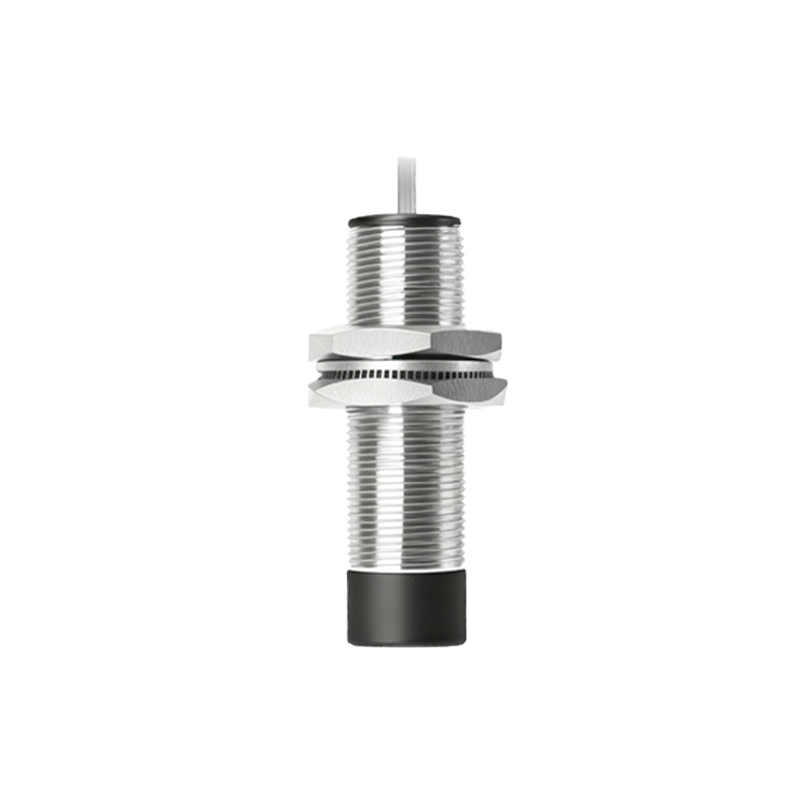
Another critical characteristic is their fast response speed and high switching frequency. Unlike electromechanical devices, the sensing element (whether inductive, capacitive, or photoelectric) reacts almost instantaneously to a target's presence. Switching frequencies can range from several hundred Hz to over 5 kHz for some high-performance models. This allows for precise detection of very small or fast-moving objects, enabling sophisticated control logic and real-time process monitoring that is impossible with slower technologies.
These sensors offer exceptional sensing precision and repeatability. The sensing distance, or "switching distance," is precisely defined and highly repeatable under consistent conditions. Factors like temperature fluctuations and supply voltage variations have minimal impact on modern sensors due to built-in compensation circuits. This precision is crucial for applications like exact positioning of machine parts, edge guidance in web processing, or ensuring consistent fill levels.
Different sensing principles endow proximity sensors with distinct capabilities. Inductive proximity sensors are the most common, detecting metallic objects (ferrous and non-ferrous) with high precision. They are immune to non-metallic substances like dust, dirt, or liquids, making them extremely robust. Capacitive sensors, on the other hand, can detect nearly any material—metals, plastics, wood, liquids, and granular substances—by measuring changes in capacitance. This makes them perfect for level detection of non-metallic materials or through non-metallic container walls.
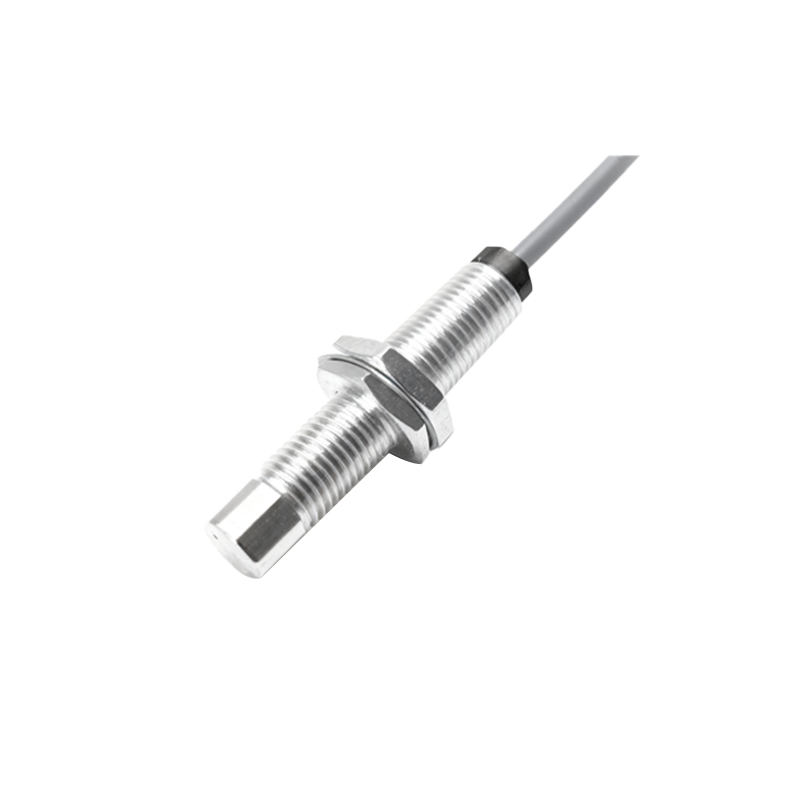
Modern proximity sensors are designed for easy integration and installation. Many feature standardized housing sizes (e.g., M8, M12, M18, M30 cylindrical styles) and connection methods (e.g., quick-disconnect cables or integral PVC cables). Built-in LED status indicators provide immediate visual feedback for alignment, power, and output state, drastically simplifying setup and troubleshooting. Furthermore, they are available with various output configurations, including DC NPN/PNP (sourcing or sinking), NO/NC (normally open or normally closed), and analog outputs (4-20 mA or 0-10 V), offering direct compatibility with PLCs (Programmable Logic Controllers) and other control systems.
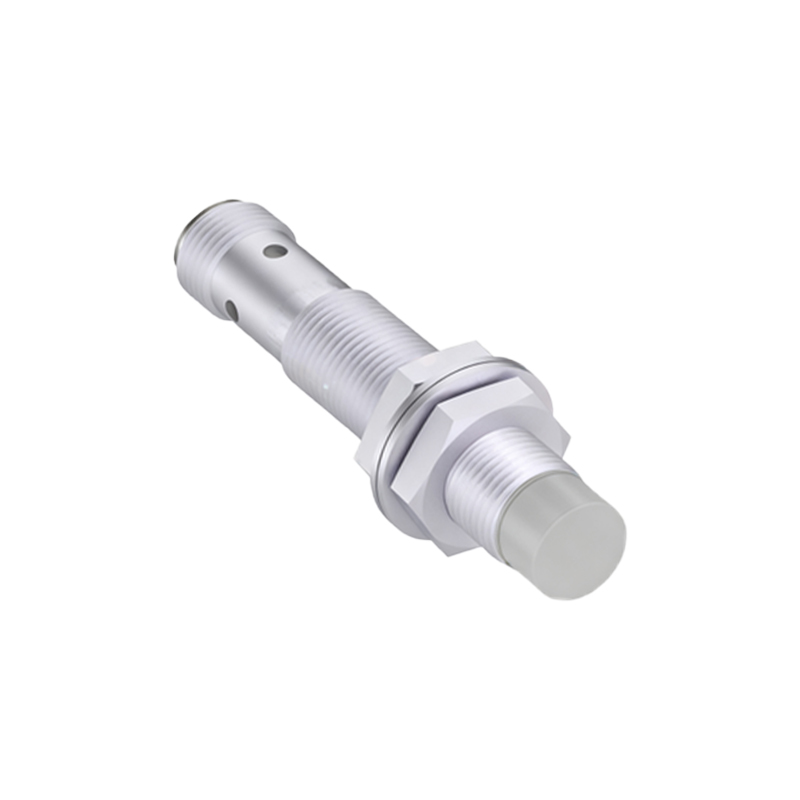
Electrical robustness is a key engineering feature. Proximity sensors are designed to handle typical industrial electrical noise and transient voltages. Features like short-circuit protection, reverse polarity protection, and overload protection are standard in quality devices. They also exhibit minimal leakage current in the "off" state and low voltage drop in the "on" state, ensuring clean signal transmission to the controller.
Finally, their versatility in application is a defining trait. Beyond simple object detection, they are used for complex tasks such as monitoring rotational speed, checking for broken tools, controlling sorting gates, and ensuring safety interlocking. Their ability to function reliably where other sensors fail—in dirty, wet, or oily environments—solidifies their role as a cornerstone of industrial automation. In summary, the combination of non-contact operation, environmental ruggedness, high speed, precision, and electrical robustness makes the proximity sensor an essential and highly reliable tool for the industrial engineer.