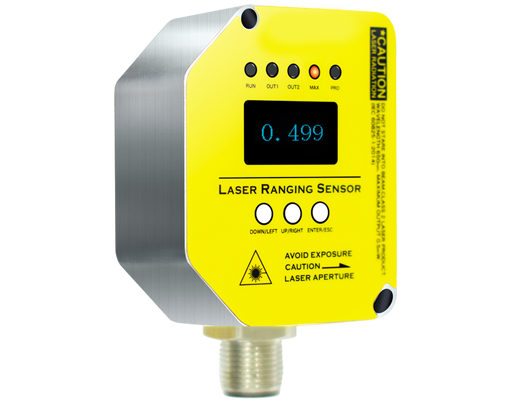
Infrared laser sensors are critical components in various industrial, commercial, and scientific applications, with their length being a key factor in system design and integration. The length of an infrared laser sensor is not a one-size-fits-all specification; it varies significantly based on the sensor's type, function, and intended use. Typically, these sensors range from compact units as short as 20 millimeters to larger, more complex assemblies extending over 500 millimeters. This variation is driven by several factors, including the required sensing range, optical design, housing materials, and additional features like cooling systems or integrated electronics.
In general, the physical length of an infrared laser sensor is closely tied to its operational wavelength and power output. For instance, short-range sensors used in proximity detection or object counting often employ near-infrared lasers and can be quite compact, with lengths around 20 to 50 mm. These are common in automated manufacturing lines or consumer electronics, where space is limited. In contrast, medium to long-range sensors, utilized in applications such as distance measurement, environmental monitoring, or security systems, may incorporate mid-infrared or far-infrared lasers and require longer optical paths. These sensors typically measure between 100 and 300 mm in length to accommodate larger lenses, mirrors, or beam expanders that enhance accuracy and range.
The design and construction materials also influence sensor length. Sensors housed in ruggedized casings for harsh environments, like those in mining or aerospace, might be longer due to added protective layers and heat dissipation mechanisms. Additionally, advanced models with integrated signal processing units or wireless communication modules can extend beyond 300 mm, as seen in smart infrastructure or research laboratory setups. For example, a high-precision infrared laser sensor used in topographic mapping might reach up to 500 mm to include cooling fans and calibration components, ensuring stable performance over extended periods.
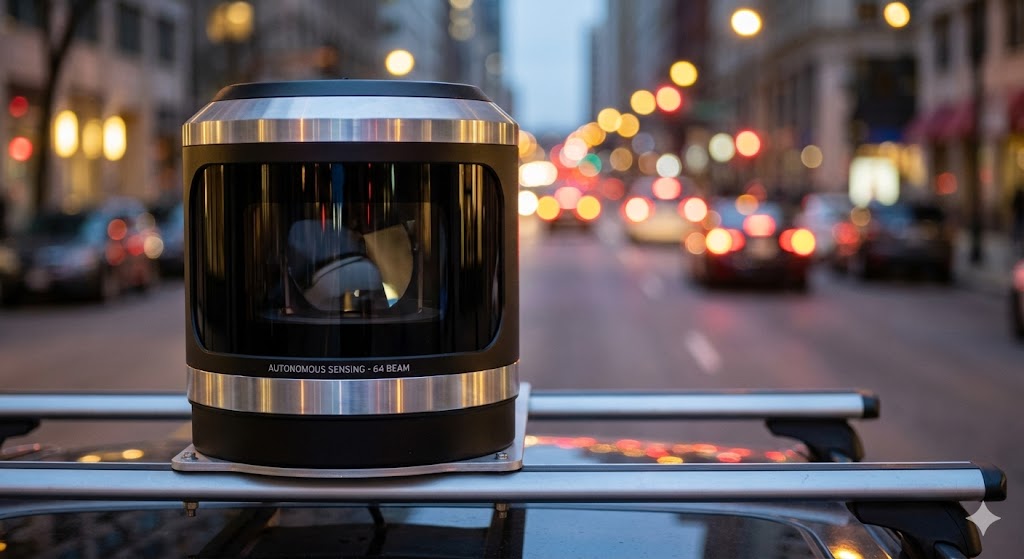
When selecting an infrared laser sensor, engineers must consider not just the sensor's length but also its compatibility with other system parts. A longer sensor may offer superior performance in terms of range and sensitivity but could pose challenges in compact installations. Conversely, shorter sensors provide flexibility in tight spaces but might sacrifice some functionality. Industry standards, such as those from the International Electrotechnical Commission (IEC), often guide dimensions to ensure interoperability, but custom designs are prevalent for specialized tasks.
In summary, the length of an infrared laser sensor is a multifaceted attribute shaped by technical requirements and application needs. From miniature devices in robotics to elongated units in scientific instrumentation, understanding these dimensions helps optimize system efficiency and reliability. As technology advances, trends like miniaturization and enhanced integration may further diversify sensor lengths, offering more tailored solutions across sectors.