In the realm of industrial automation and precision engineering, laser focus sensors have emerged as critical components for ensuring accuracy in processes such as micro-machining, 3D scanning, and quality inspection. These sensors operate by projecting a laser beam onto a target surface and analyzing the reflected light to determine distance or focal position. However, achieving optimal performance requires careful modification and calibration tailored to specific operational environments. This article delves into key strategies for upgrading laser focus sensors to maximize their efficacy.
The core principle behind laser focus sensors involves triangulation or confocal measurement techniques. In triangulation-based sensors, a laser diode emits a beam that strikes the surface, and a position-sensitive detector (PSD) or CMOS camera captures the reflected spot. Displacement in the spot position correlates with changes in distance, enabling precise focal tracking. Confocal sensors, on the other hand, use chromatic aberration to measure height variations with nanometer-level resolution. To enhance these systems, engineers often begin by selecting appropriate laser wavelengths. Shorter wavelengths, such as blue or violet lasers (around 405-450 nm), offer finer spot sizes and improved resolution for smooth, reflective surfaces, while longer infrared wavelengths (e.g., 850-1550 nm) penetrate rougher materials with less scatter. Upgrading to a laser with a wavelength suited to the target material can significantly reduce measurement noise.
Another pivotal aspect is the sensor's optical design. Modifying the lens assembly to incorporate aspherical or telecentric lenses minimizes aberrations and ensures a consistent beam profile across varying working distances. For dynamic applications, integrating high-speed analog or digital signal processing units is essential. Modern field-programmable gate arrays (FPGAs) or dedicated microcontrollers can process data at rates exceeding 100 kHz, enabling real-time adjustments in fast-moving production lines. Additionally, implementing adaptive algorithms, such as machine learning-based filters, helps distinguish between genuine surface features and environmental interference like dust or vibrations.
Environmental factors pose significant challenges. Thermal fluctuations can drift laser output and detector alignment, necessitating temperature compensation circuits or active cooling systems. Enclosures with IP67 ratings protect against contaminants, while anti-reflective coatings on optics mitigate stray light in bright settings. For harsh industrial zones, EMI shielding prevents electrical noise from corrupting signals. Calibration protocols must also be rigorous; using certified reference standards and multi-point calibration across the sensor's range ensures traceability and repeatability.
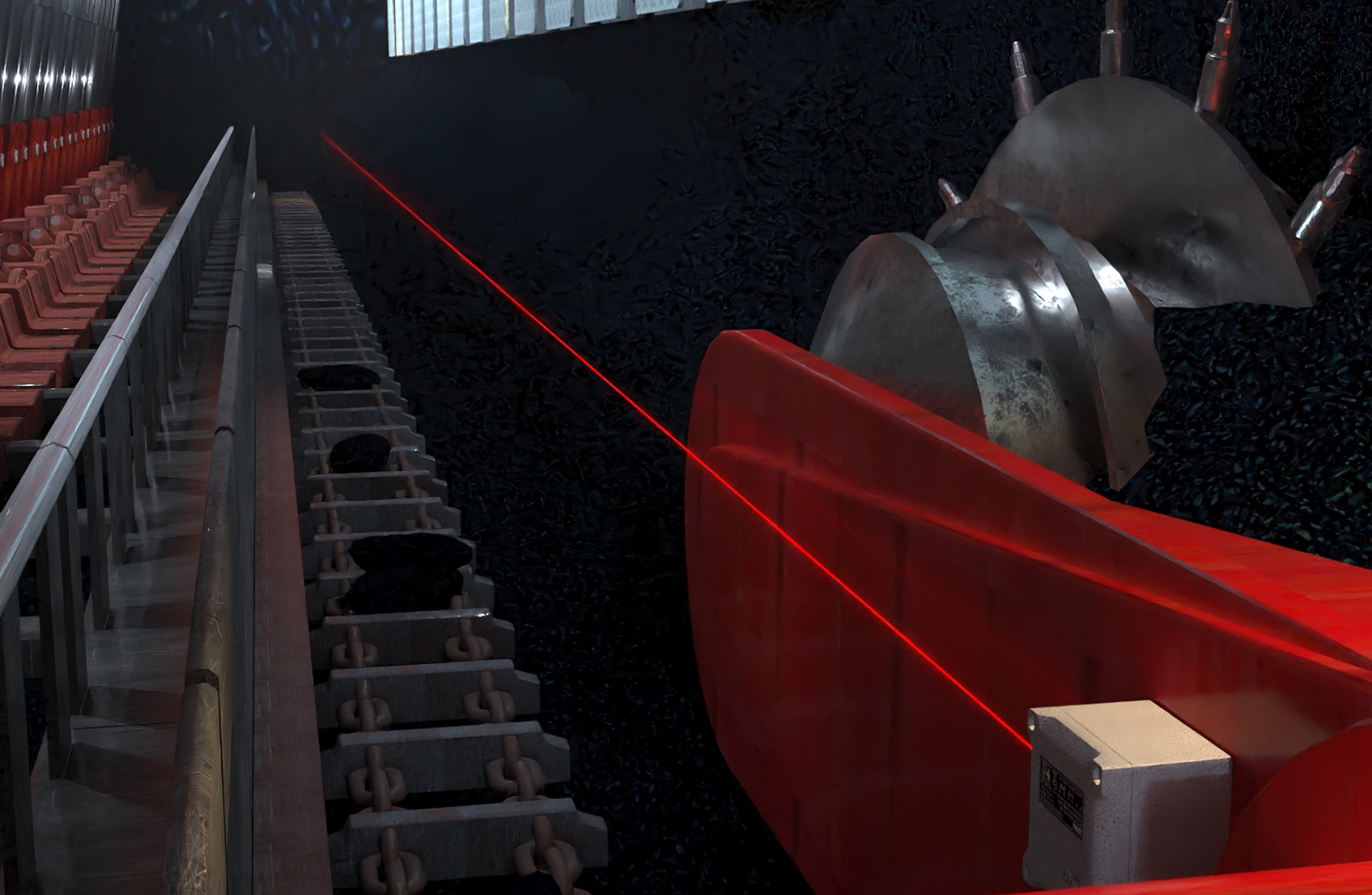
Software integration further amplifies sensor capabilities. Custom firmware can enable features like auto-focus tracking, edge detection, and data logging. Interfacing with industrial networks (e.g., EtherCAT, PROFINET) allows seamless communication with PLCs for closed-loop control. In practice, a case study involving a semiconductor wafer inspection system demonstrated that by upgrading a standard laser sensor with a blue-wavelength laser, a telecentric lens, and FPGA processing, measurement repeatability improved from ±5 µm to ±0.8 µm, boosting yield rates by 15%.
Maintenance and validation are ongoing considerations. Regular checks of laser power output, lens cleanliness, and mechanical stability prevent degradation. Predictive maintenance models, leveraging IoT sensors, can alert operators to potential failures before they impact production. Ultimately, modifying laser focus sensors is not a one-size-fits-all endeavor—it demands a holistic approach combining optical, electronic, and software enhancements tailored to application-specific demands. As industries push toward tighter tolerances and higher throughput, these optimizations will remain vital for sustaining competitive advantage.
In summary, advancing laser focus sensor technology involves strategic upgrades in laser selection, optics, signal processing, and environmental hardening. By embracing these modifications, engineers can unlock superior precision, reliability, and adaptability, driving innovation across manufacturing, electronics, and beyond. Continuous evaluation and adaptation to emerging materials and processes will further refine these systems, ensuring they meet the evolving needs of modern industry.