In the rapidly evolving landscape of industrial automation and smart technology, proximity sensors play a pivotal role. These non-contact devices detect the presence or absence of objects, enabling countless applications from assembly lines to consumer electronics. For manufacturers, integrators, and end-users operating within or exporting to the Chinese market, a thorough understanding of the relevant National Standards (国家标准, Guójiā Biāozhǔn) is not just beneficial—it's essential for compliance, safety, and market access.
China's standardization system for industrial components, including proximity sensors, is primarily managed by the Standardization Administration of China (SAC). The standards are often developed in alignment with, or as adaptations of, international norms from bodies like the International Electrotechnical Commission (IEC), but they incorporate specific requirements tailored to domestic regulatory frameworks, safety expectations, and industrial practices.
A cornerstone standard in this domain is GB/T 14048.10. This standard falls under the broader series "Low-voltage switchgear and controlgear," and its specific part addresses "Proximity switches." It details critical aspects such as:
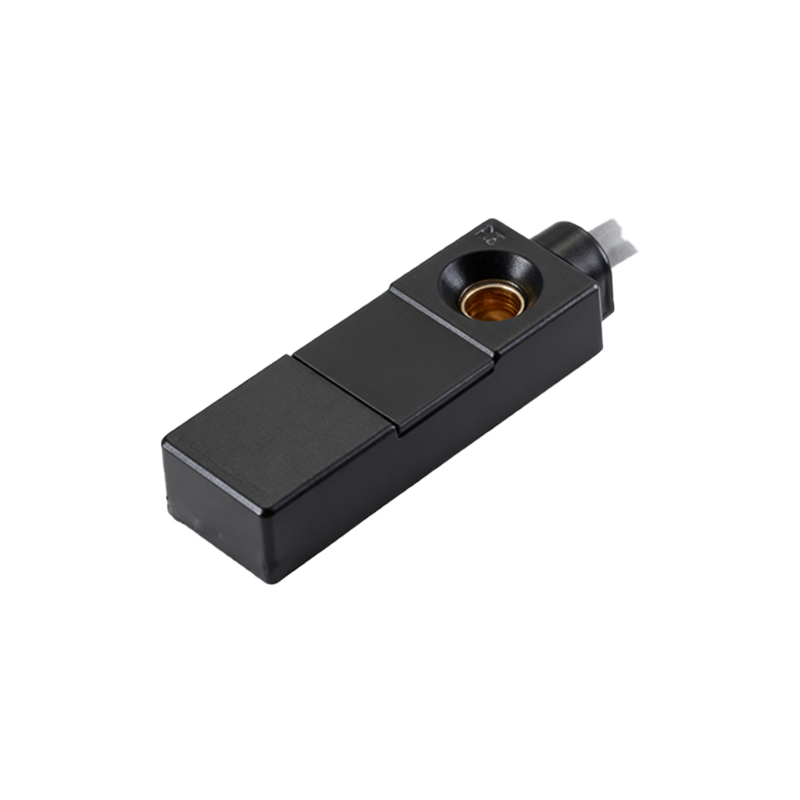
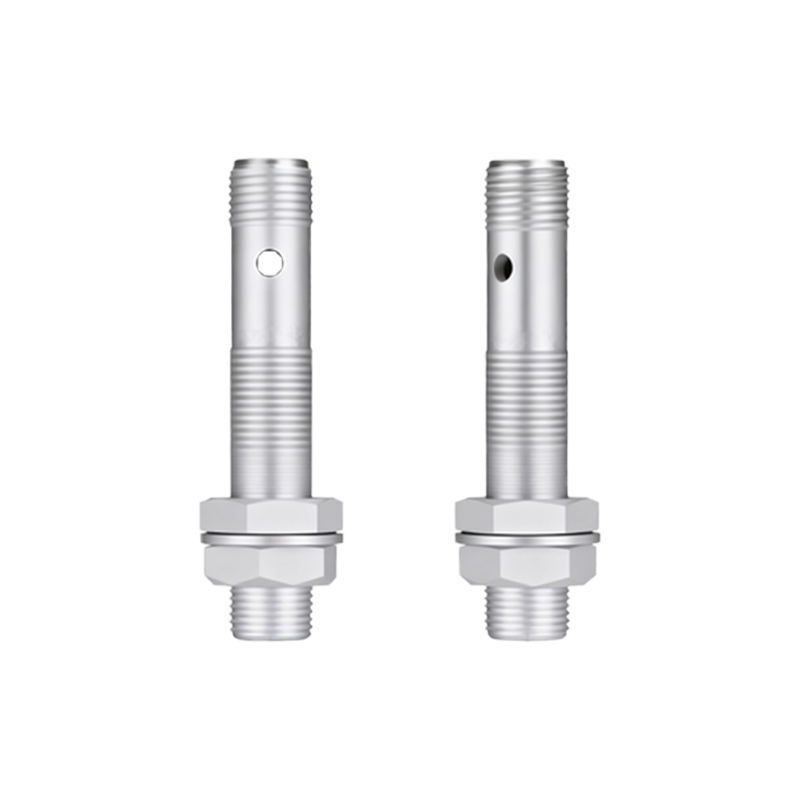
Classification and Characteristics: Defining types based on sensing principles (e.g., inductive, capacitive), output configurations (PNP/NPN, analog), and housing forms.
Rated Values and Marking: Specifying parameters like rated insulation voltage, utilization categories, duty cycles, and the mandatory information that must be marked on the device.
Performance and Durability: Outlining test procedures for operational performance, including switching capacity, response frequency, and repeat accuracy. It also sets requirements for mechanical and electrical endurance.
Environmental Testing: Defining tests for resistance to shock, vibration, ambient temperature, humidity, and protection against ingress (IP ratings as per Chinese standards).
Electromagnetic Compatibility (EMC): Establishing limits for electromagnetic emissions and immunity to interference, ensuring the sensor operates reliably in electrically noisy industrial environments.
Another crucial standard is GB 5226.1, "Safety of machinery - Electrical equipment of machines." While not exclusively for sensors, it governs the safe integration of all electrical components, including proximity sensors, into machinery. Compliance ensures that sensor installation, wiring, and protection circuits meet national safety requirements to prevent electric shock, fire hazards, and equipment damage.
For sensors used in potentially explosive atmospheres, the GB 3836 series of standards (aligning with IEC 60079) for explosive atmospheres becomes mandatory. This covers intrinsic safety "i," flameproof enclosures "d," and other protection types.
Why Adherence to These Standards Matters:
1. Market Access and Legal Compliance: Products bearing the CCC (China Compulsory Certification) mark or other conformity assessments must demonstrate compliance with relevant GB standards. This is a legal prerequisite for selling many types of proximity sensors in China.
2. Quality and Reliability Assurance: The standardized testing protocols provide a consistent benchmark for product quality, durability, and performance. This helps buyers make informed comparisons and ensures a baseline level of reliability.
3. Interoperability and Safety: Standards ensure that sensors from different manufacturers can interface correctly with control systems (PLCs, etc.) and are installed in a manner that safeguards operators and equipment.
4. Competitive Advantage: For international suppliers, demonstrating explicit compliance with GB standards builds trust with Chinese clients, simplifies the procurement process for end-users, and can be a significant differentiator in a competitive market.
Navigating the Standards: The full text of Chinese National Standards is published in Chinese. For non-native companies, working with local testing laboratories, certification bodies, or distributors with deep regulatory expertise is highly recommended. They can provide guidance on the exact standards applicable to a specific product, assist with testing, and manage the certification process.
In conclusion, China's National Standards for proximity sensors form a comprehensive framework designed to ensure product safety, reliability, and performance. They are dynamic documents that evolve with technology. Whether you are a designer specifying components, a procurement manager sourcing parts, or a quality assurance engineer, investing time to understand and apply these standards is a critical step toward successful engagement in one of the world's largest and most demanding industrial markets. Ignoring them can lead to costly delays, rejected shipments, and failed projects, while embracing them paves the way for seamless integration and long-term operational success.