In the high-precision, automated world of modern blow molding, proximity switch sensors serve as the critical, often unseen, guardians of process integrity and machine safety. These non-contact sensing devices are fundamental to the reliable operation of blow molding machinery, from simple single-station units to complex multi-layer co-extrusion systems. Their primary function is to detect the presence, absence, or position of machine components—such as molds, platens, parisons, and robotic end-effectors—without physical contact, thereby eliminating wear and enabling high-speed, repeatable operations.
The operational principle of an inductive proximity sensor, the most common type in blow molding, is based on electromagnetic induction. The sensor generates an oscillating electromagnetic field. When a metallic target (like a mold platen or a machine screw) enters this field, eddy currents are induced in the target, causing a change in the oscillation amplitude. This change is detected by the sensor's circuitry, which subsequently switches its output state. For detecting non-metallic objects, such as plastic preforms or bottles on a conveyor, capacitive proximity sensors are employed. These sensors detect changes in capacitance caused by the presence of any material, altering the dielectric constant of the space between the sensor and the target.
Key specifications for selecting the right proximity sensor for blow molding applications include sensing distance, switching frequency, housing material, and output type. The nominal sensing distance must be carefully chosen to account for machine tolerances and thermal expansion, especially in the heated sections of the machine. A high switching frequency is paramount for high-cycle applications, ensuring the sensor can reliably detect fast-moving parts like a cutting knife or a transfer arm. Stainless steel or nickel-plated brass housings are typically specified for their resistance to coolants, lubricants, and plastic processing chemicals. Output types are predominantly PNP (sourcing) or NPN (sinking) solid-state DC configurations, integrated directly into the machine's Programmable Logic Controller (PLC) for seamless communication.
Strategic placement of these sensors is what translates their basic function into process control. A classic application is mold closure verification. Inductive sensors are mounted on the stationary platen to confirm the moving platen has reached the fully closed position before the clamp tonnage is fully applied and the blowing cycle commences. This is a critical safety interlock. Similarly, sensors monitor the position of extrusion screws and accumulator heads, providing feedback for precise parison length control. On the finishing end, sensors detect bottles exiting the mold for accurate counting and initiate downstream operations like leak testing, labeling, or packing.
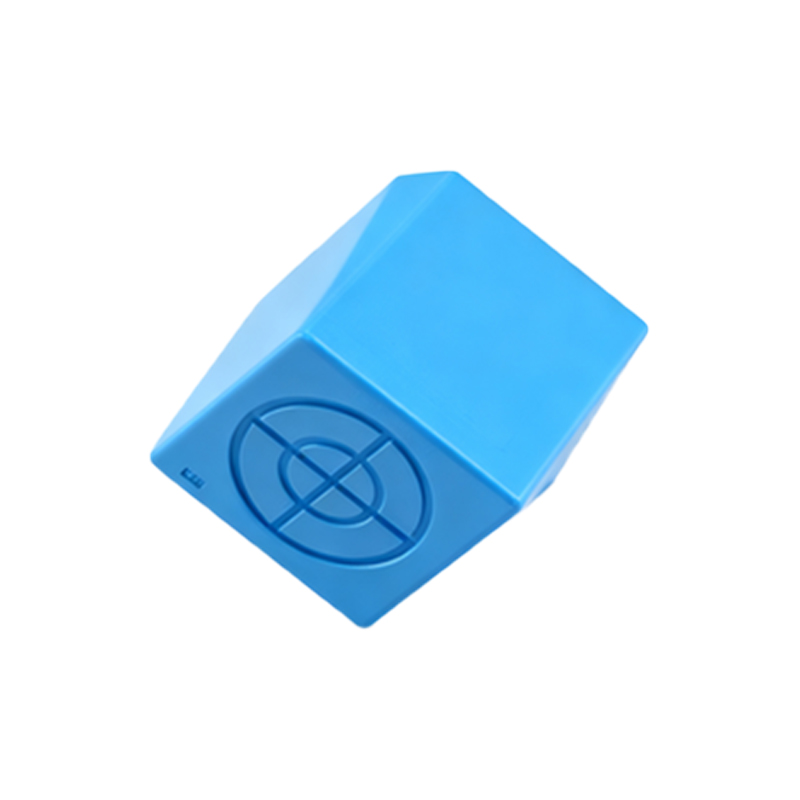
The harsh environment of a blow molding plant presents significant challenges for sensor longevity. Prolonged exposure to high ambient temperatures near ovens, mechanical vibration from moving platens, and electromagnetic interference from high-power drives can degrade performance. Selecting sensors with high-temperature ratings (often up to 100°C or more), robust mechanical construction, and superior electromagnetic compatibility (EMC) is essential. Regular preventive maintenance, including checking mounting integrity, cleaning the sensing face of debris (like plastic flash or dust), and verifying signal consistency with a diagnostic tool, is crucial for minimizing unplanned downtime.
The evolution towards Industry 4.0 and smart manufacturing is shaping the next generation of proximity sensors. Modern sensors now feature IO-Link communication capability. This digital protocol allows for bidirectional data exchange far beyond a simple on/off signal. Through IO-Link, a sensor can transmit parameters like operating temperature, signal strength, and remaining operational life to the PLC or a supervisory system. This enables predictive maintenance strategies, where a technician can be alerted to a sensor operating at its temperature limit or showing signs of degradation before it causes a machine fault. This data-driven approach is key to maximizing Overall Equipment Effectiveness (OEE) in a competitive production landscape.
In conclusion, proximity switch sensors are indispensable components in blow molding automation. Their selection, application, and integration require a deep understanding of both sensor technology and the blow molding process. By specifying the correct sensor type for the target material and environmental conditions, installing them with precision, and leveraging modern diagnostic features, engineers can ensure robust, reliable, and efficient machine operation. As blow molding technology advances towards greater speed and complexity, the role of these intelligent sensing devices will only become more central to achieving consistent, high-quality production.