In modern industrial manufacturing, band saw machines play a crucial role in cutting various materials, from metals to plastics. The efficiency and accuracy of these machines heavily depend on their control systems, where proximity switch sensors emerge as vital components. These sensors, often overlooked, are fundamental in ensuring operational precision, safety, and automation in band saw applications.
Proximity switch sensors are non-contact devices that detect the presence or absence of an object within a specific range. In band saw machines, they are typically installed near the blade, guide mechanisms, or material feed systems. Their primary function is to monitor positions and movements, triggering actions such as starting or stopping the saw, adjusting blade tension, or activating safety protocols. For instance, when a sensor detects that the material has reached the correct cutting position, it sends a signal to the control unit to initiate the sawing process. This automation reduces human intervention, minimizing errors and enhancing productivity.
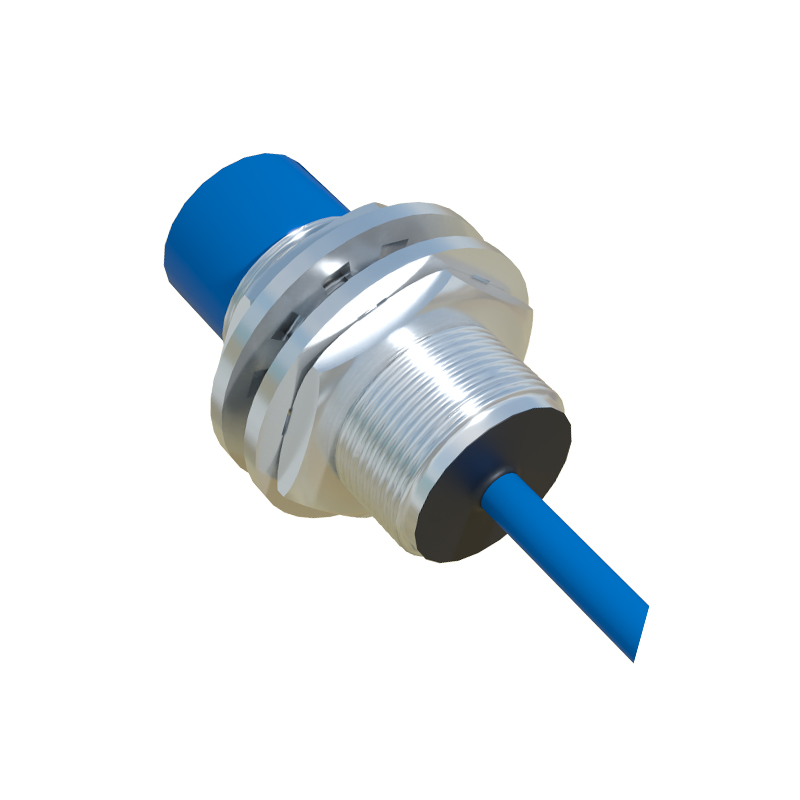
The types of proximity sensors used in band saw machines vary based on application needs. Inductive sensors are common for detecting metallic objects, such as the blade or metal workpieces, without physical contact. They work by generating an electromagnetic field and sensing changes when a metal object enters it. Capacitive sensors, on the other hand, can detect both metallic and non-metallic materials, making them suitable for diverse cutting tasks. Additionally, magnetic sensors might be employed for specific positioning tasks, especially in environments with dust or coolant fluids, where reliability is critical.
One key advantage of proximity switch sensors in band saw machines is their contribution to safety. By continuously monitoring the blade and material position, these sensors can detect anomalies, such as blade deviation or material slippage. If an irregularity is sensed, the sensor can immediately halt the machine, preventing accidents like blade breakage or operator injury. This proactive safety feature is essential in high-speed industrial settings, where even minor malfunctions can lead to significant downtime or hazards.

Moreover, proximity sensors enhance precision in cutting operations. In automated band saw systems, sensors ensure that the blade aligns perfectly with the material, reducing waste and improving cut quality. For example, in repetitive cutting tasks, sensors can be programmed to measure material lengths and trigger cuts at exact intervals, ensuring consistency across batches. This level of accuracy is particularly valuable in industries like aerospace or automotive manufacturing, where tight tolerances are mandatory.
Maintenance and durability are also important considerations. Proximity switch sensors designed for band saw machines are often built to withstand harsh conditions, including vibrations, temperature fluctuations, and exposure to coolants or metal chips. Regular calibration and inspection are recommended to maintain optimal performance. Users should follow manufacturer guidelines for installation and upkeep, as misaligned or damaged sensors can compromise machine functionality.
In summary, proximity switch sensors are indispensable in modern band saw machines, driving automation, safety, and precision. As industries advance toward smarter manufacturing, the role of these sensors is likely to expand, with innovations like IoT integration enabling real-time monitoring and predictive maintenance. For operators and engineers, understanding sensor capabilities and proper implementation can lead to more efficient and safer cutting processes. By leveraging proximity technology, band saw machines can achieve higher performance standards, meeting the demands of today's competitive industrial landscape.