In the world of industrial automation and electronic design, proximity sensors are indispensable components. They detect the presence or absence of objects without physical contact, relying on electromagnetic fields, capacitance, or other principles. Among these, inductive proximity sensors, which detect metallic objects, are particularly widespread. A persistent and often misunderstood challenge with these sensors is the phenomenon of magnetization. This article delves into the causes, detrimental effects, and practical solutions for magnetization in proximity sensors, providing a clear guide for engineers and maintenance personnel.
At its core, magnetization refers to the process where the sensor's active face or its internal ferrite core becomes permanently or semi-permanently magnetized. This is distinct from its normal operating electromagnetic field. Inductive proximity sensors work by generating a high-frequency oscillating electromagnetic field from a coil wound around a ferrite core. When a metallic object enters this field, eddy currents are induced in the object, which dampens the oscillation. The sensor's electronics detect this damping and trigger a switching signal. The issue arises primarily when the target material is a ferromagnetic metal, such as mild steel or iron.
The primary cause of magnetization is the sensor's repeated exposure to strong external magnetic fields or its operation in environments with such fields. Common sources include welding operations (especially arc welding), powerful motors, transformers, solenoids, and other electromagnetic equipment operating nearby. During arc welding, for instance, the high current creates intense magnetic fields that can easily magnetize the sensor's ferrite core. Furthermore, the sensor itself can contribute to the problem. The continuous operation on ferromagnetic targets can, over an extended period, lead to a residual magnetic buildup in the core material, a slow but cumulative effect.
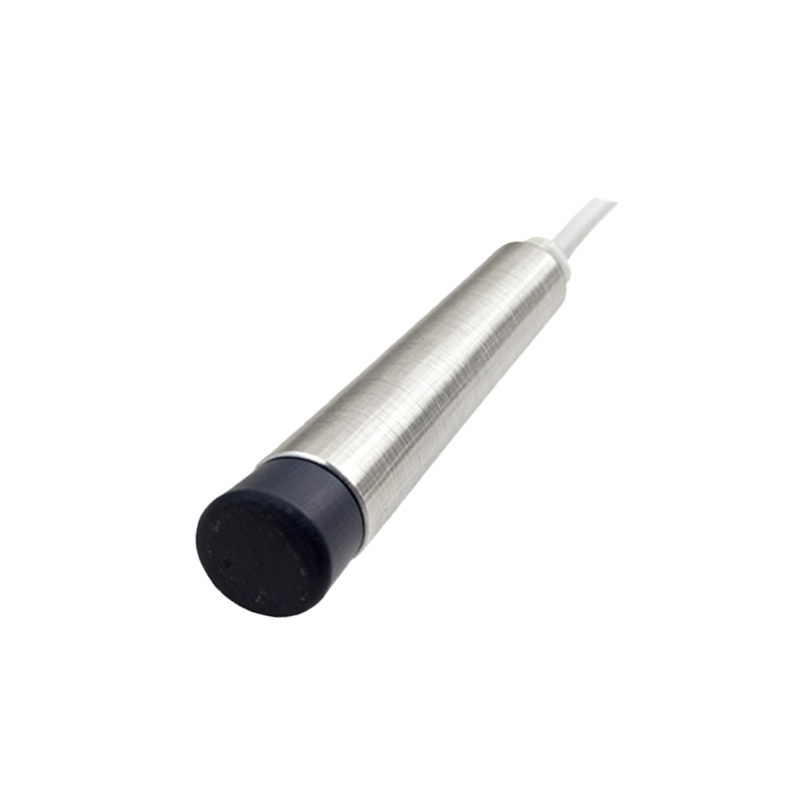
The consequences of a magnetized sensor are significant and directly impact system reliability. The most common symptom is a drastic reduction in the sensor's nominal sensing range, sometimes by 50% or more. A sensor rated for a 10mm detection distance may only reliably detect an object at 4mm. This leads to missed detections, machine faults, and production stoppages. Another critical effect is the phenomenon of "stickiness" or residual signal. The sensor may continue to indicate the presence of a target even after the object has moved away, or it may fail to reset. This can cause dangerous situations in automated processes, such as a robotic arm assuming a part is still in place when it is not. Magnetization can also increase the sensor's susceptibility to interference from other magnetic sources and accelerate wear on moving mechanical parts that are now being weakly attracted to the sensor face.
Addressing sensor magnetization requires a multi-faceted approach, focusing on prevention, identification, and remediation.
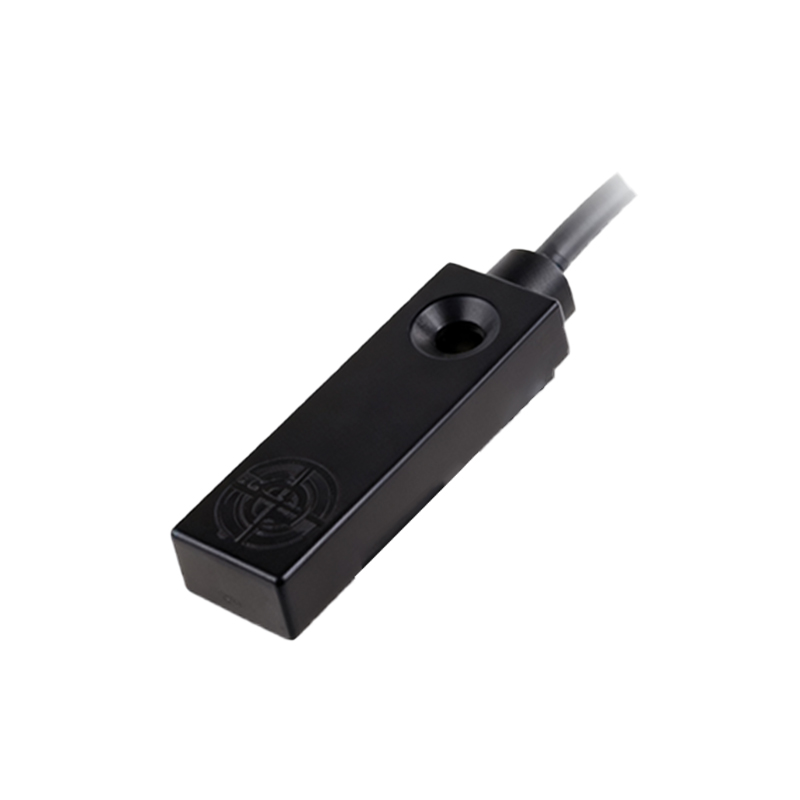
Prevention is always the most cost-effective strategy. Selecting the right sensor for the environment is crucial. For applications near welding stations, sensors specifically designed as "welding-resistant" or with "ferrite saturation protection" are available. These often have special shielding or core materials less prone to retaining magnetism. Physical placement is key. Increasing the distance between the sensor and known sources of strong magnetic fields can dramatically reduce risk. Using non-ferromagnetic mounting brackets (e.g., aluminum, stainless steel AISI 303/304) instead of standard steel can also help shield the sensor. For applications involving ferromagnetic targets, consider sensors with a reduced hysteresis setting, if adjustable, to minimize magnetic memory.
When symptoms point to possible magnetization, verification is simple. Bring a small, non-magnetized ferrous object, like a paperclip or a standard steel screw, near the de-energized sensor's face. If the object is attracted and sticks to the face, the sensor is magnetized. A non-magnetized sensor will not exhibit this magnetic pull.
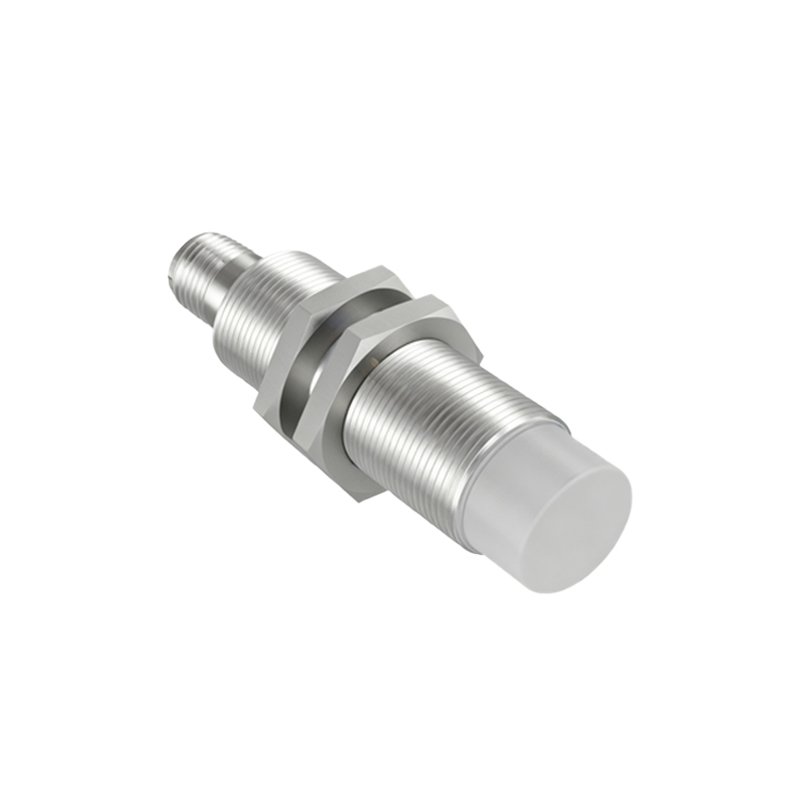
Remediation involves demagnetizing the sensor. The most effective and controlled method is using a commercial degausser or demagnetizing coil. By subjecting the sensor to a strong, alternating magnetic field that gradually diminishes to zero, the aligned magnetic domains within the ferrite core are randomized, effectively erasing the residual magnetism. In field situations without specialized tools, a common empirical method involves slowly passing the sensor face near and then away from an active AC electromagnet (like the tip of a powered-up solenoid) and slowly withdrawing it. However, this method is less precise and carries risk of damage if not done carefully. It is generally not recommended to use permanent magnets for demagnetization, as this can worsen the condition.
In severe cases where demagnetization attempts fail, or if the ferrite core has suffered physical damage from excessive heat (often accompanying welding splatter), replacement of the sensor is the only reliable option. Implementing a regular inspection and maintenance schedule to check for magnetization can prevent unexpected downtime.
Understanding magnetization is essential for maximizing the longevity and accuracy of proximity sensor systems. By recognizing the environmental risks, specifying appropriate hardware, and knowing how to