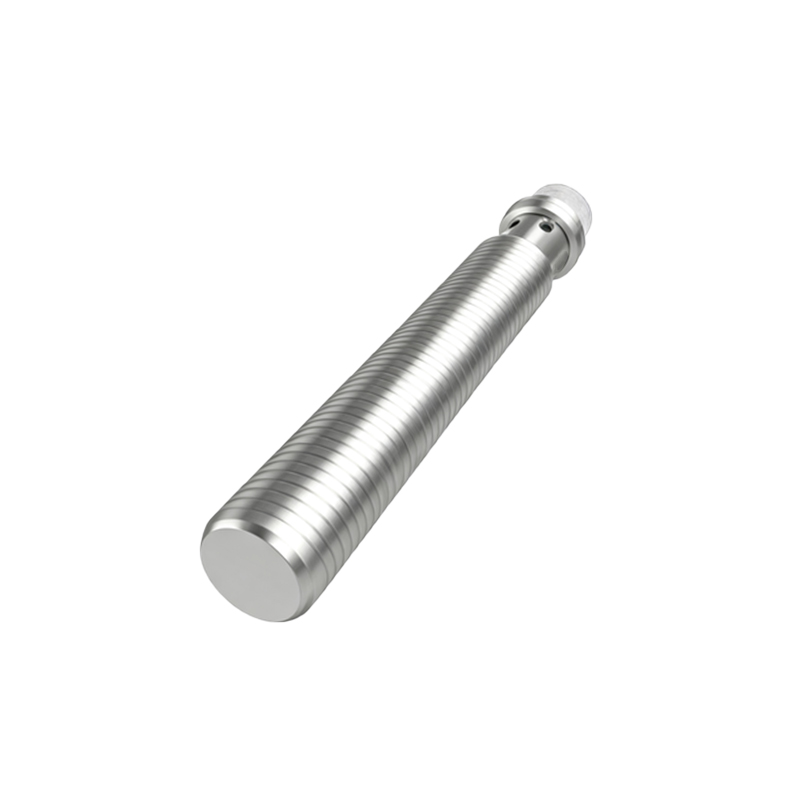
Proximity sensors are essential components in modern automation, robotics, and consumer electronics, detecting the presence or absence of objects without physical contact. If you're wondering where to find these versatile devices, numerous options are available depending on your specific needs—whether for industrial applications, hobbyist projects, or commercial product integration.
For industrial and engineering purposes, specialized electronics suppliers and automation distributors are primary sources. Companies like Digi-Key, Mouser Electronics, and RS Components offer extensive catalogs featuring a wide range of proximity sensors, including inductive, capacitive, and ultrasonic types. These platforms provide detailed technical specifications, datasheets, and application guides, making it easier to select sensors suited for harsh environments, high-precision tasks, or specific materials like metals or liquids. Additionally, manufacturers such as Omron, Schneider Electric, and Siemens sell directly or through authorized partners, ensuring quality and reliability for critical operations in manufacturing, automotive, or logistics sectors.
For smaller-scale projects or prototyping, general electronics retailers can be practical choices. Stores like Adafruit, SparkFun, and local electronics shops often stock basic proximity sensor modules compatible with Arduino, Raspberry Pi, or other development boards. These modules are user-friendly, come with tutorials, and are ideal for learning, testing, or DIY applications in home automation, robotics, or interactive art. Online marketplaces like Amazon, eBay, or AliExpress also list affordable options from various brands, though it's advisable to verify reviews and specifications to avoid low-quality products.
In consumer electronics, proximity sensors are commonly embedded in devices like smartphones, tablets, and appliances. While not typically sold separately for end-users, they can be sourced from electronics repair suppliers or salvaged from old devices. For businesses developing products, partnering with OEM manufacturers or sourcing from wholesale platforms like Alibaba can provide bulk quantities at competitive prices, with customization options for size, sensitivity, or output signals.

When searching for proximity sensors, consider key factors such as detection range, response time, environmental durability, and output type (digital or analog). Consulting with suppliers or engineers can help match the sensor to your application—whether it's for object detection in machinery, touchless interfaces, or safety systems. With the growing demand for automation and smart technology, proximity sensors have become widely accessible, ensuring you can find the right solution efficiently through dedicated distributors, online hubs, or local suppliers.