In the rapidly evolving landscape of industrial automation and precision engineering, circular laser distance sensors have emerged as a cornerstone technology for non-contact measurement. These sophisticated devices project a circular laser beam onto a target surface, utilizing time-of-flight or phase-shift principles to calculate distance with exceptional accuracy. Unlike traditional point laser sensors, the circular beam profile offers distinct advantages, including reduced sensitivity to surface irregularities and enhanced alignment tolerance. This makes them particularly valuable in applications where target surfaces may be rough, textured, or positioned at slight angles.
The core operational principle hinges on emitting a modulated circular laser pattern. The sensor's receiver detects the reflection of this pattern. By analyzing the phase difference between the emitted and reflected light or precisely measuring the time delay for the light to return, the sensor's internal processor computes the distance to the target. Modern iterations incorporate advanced algorithms to filter ambient light interference and compensate for environmental variables like temperature, ensuring reliable performance in diverse factory settings.
Key applications span numerous sectors. In robotics, circular laser sensors provide critical feedback for bin picking, precise part placement, and autonomous navigation, enabling robots to interact with their environment intelligently. Within the automotive industry, they are indispensable for assembly line verification, gap and flush measurement on vehicle bodies, and quality control of component dimensions. Logistics and warehousing benefit immensely through their use in palletizing, inventory management via dimensioning systems, and automated guided vehicle (AGV) obstacle detection. Furthermore, in construction and civil engineering, these sensors facilitate tasks like terrain mapping, volume calculation of materials, and structural deformation monitoring.
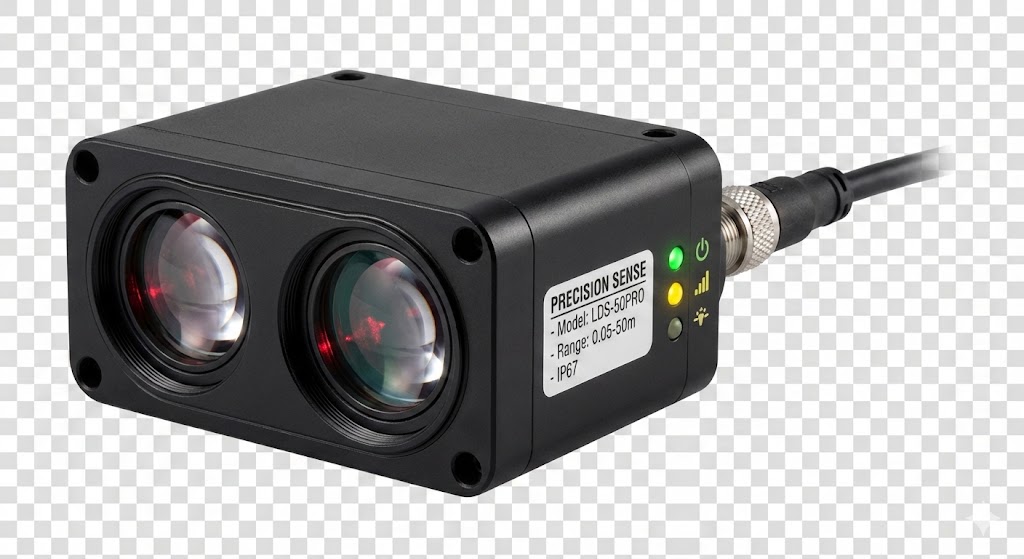
When selecting a circular laser distance sensor, engineers must evaluate several technical parameters. Measurement range, typically from a few centimeters up to several hundred meters, must align with the application's needs. Accuracy and repeatability are paramount; high-end models offer sub-millimeter precision. The response time, or measurement speed, determines how quickly the sensor can update distance readings, which is crucial for high-speed production lines. Environmental ratings, such as IP67 for dust and water resistance, ensure durability in harsh industrial environments. Additionally, output interfaces (e.g., analog voltage/current, digital protocols like IO-Link or Ethernet/IP) must be compatible with existing control systems.
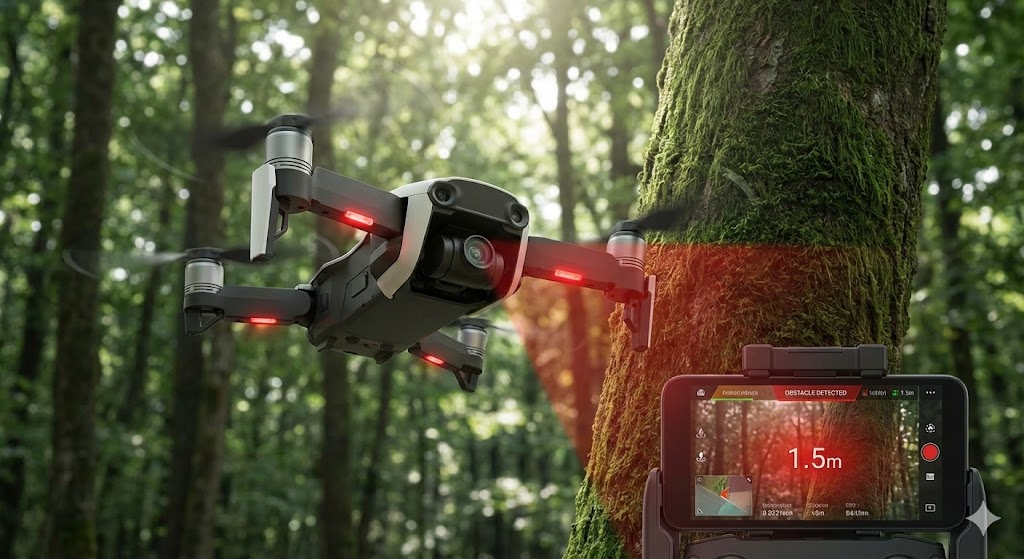
The integration of Industry 4.0 and IoT capabilities represents the current frontier. Smart circular laser sensors now feature embedded diagnostics, predictive maintenance alerts, and seamless data communication to higher-level systems for analytics. This connectivity transforms raw distance data into actionable insights, optimizing processes and reducing downtime.
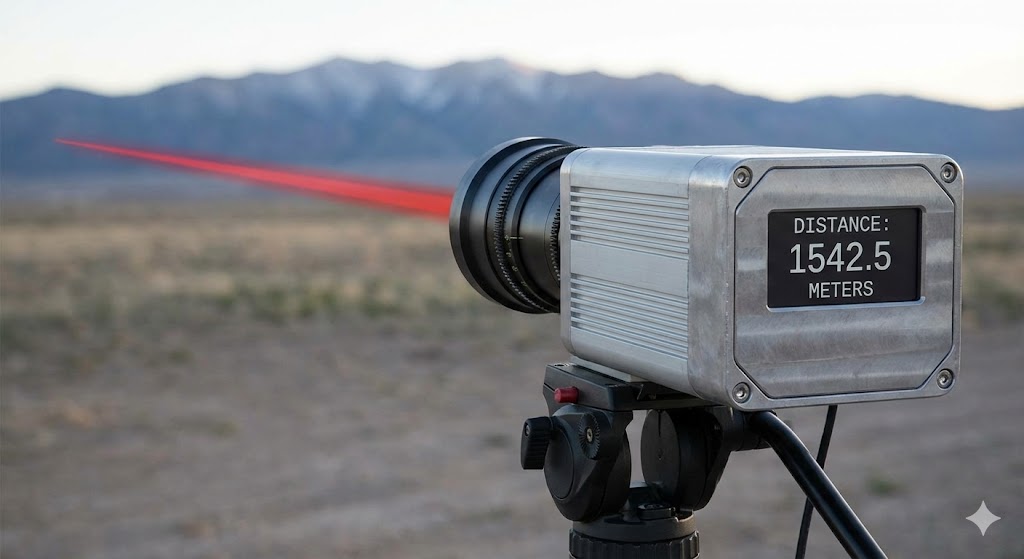
Despite their robustness, optimal performance requires careful consideration of installation and target conditions. Highly reflective, transparent, or absorbent surfaces can challenge the sensor, often necessitating calibration or the use of specialized filters. Proper mounting to minimize vibration and selecting an appropriate beam diameter for the target size are critical installation practices.
In conclusion, circular laser distance sensors are a versatile and powerful tool for modern industry. Their unique beam characteristic provides a robust solution for challenging measurement scenarios, driving efficiency, quality, and automation across a multitude of applications. As technology advances, their role in enabling smarter, more adaptive manufacturing and logistics ecosystems will only continue to expand.