In industrial automation and control systems, the need for precise positioning and motion control is paramount. Among the various components employed, limit switches have traditionally been the go-to solution for detecting the presence or absence of an object and defining the boundaries of mechanical movement. However, with advancements in sensor technology, proximity sensors are increasingly being considered as potential alternatives or complements to mechanical limit switches. This article explores whether proximity sensors can effectively serve as limit switches, examining their principles, applications, advantages, and limitations.
Proximity sensors are non-contact devices that detect the presence of an object within a specified range without physical contact. They operate based on different principles, including inductive, capacitive, ultrasonic, and magnetic methods. Inductive proximity sensors, for instance, are commonly used for detecting metallic objects by generating an electromagnetic field. When a metal object enters this field, it induces eddy currents, causing a change in the sensor's oscillation amplitude, which triggers an output signal. Capacitive sensors, on the other hand, can detect both metallic and non-metallic objects by measuring changes in capacitance. Ultrasonic sensors use sound waves to determine distance, while magnetic sensors rely on magnetic fields to detect ferrous materials.
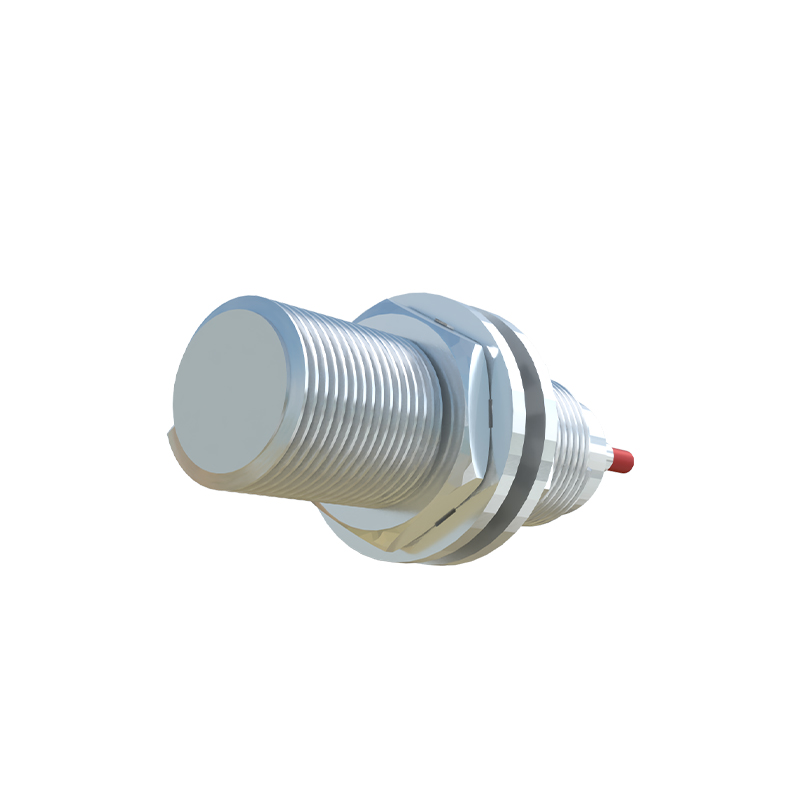
In contrast, traditional limit switches are electromechanical devices that require physical contact with an object to actuate a switch mechanism. They typically consist of a lever, roller, or plunger that, when depressed, changes the state of electrical contacts to signal a limit position. While reliable, these switches are subject to mechanical wear, tear, and potential failure due to repeated contact, especially in high-speed or harsh environments.
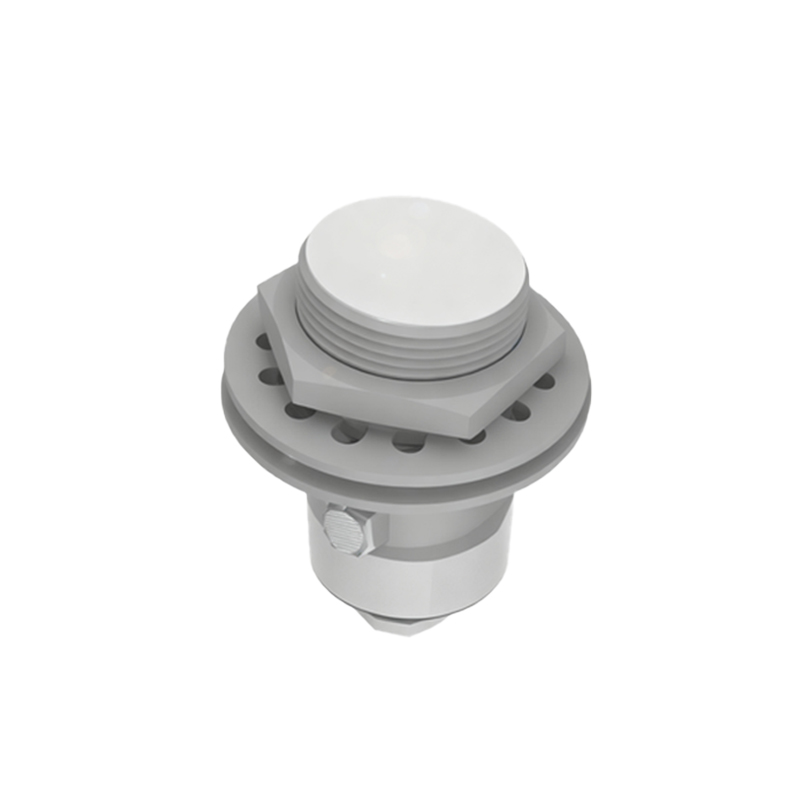
So, can proximity sensors replace limit switches? The answer is often yes, but with certain considerations. Proximity sensors offer several advantages that make them suitable for limit-switch applications. First, their non-contact nature eliminates mechanical wear, leading to longer service life and reduced maintenance costs. This is particularly beneficial in applications involving high-speed machinery or abrasive materials where physical contact could cause damage. Second, proximity sensors provide faster response times, as they do not rely on mechanical actuation. This allows for more precise control in dynamic systems, such as robotics or conveyor belts, where milliseconds matter. Third, they are less susceptible to environmental factors like dust, moisture, and vibration, especially when sealed appropriately, making them ideal for harsh industrial settings.
For example, in automated assembly lines, inductive proximity sensors can be used to detect the position of metal components on a moving conveyor, signaling when an item has reached a specific point for processing. Similarly, in CNC machines, capacitive or ultrasonic sensors might serve as soft limits to prevent tool crashes by detecting the approach of a cutting tool to a workpiece without contact. In these scenarios, proximity sensors act as effective limit switches by providing reliable, contactless detection that enhances safety and efficiency.
However, there are limitations to using proximity sensors as limit switches. One key factor is the sensing range and accuracy. Proximity sensors have defined detection distances, which may not be as adjustable as the mechanical travel of a limit switch. This can require careful calibration to ensure objects are detected at the exact desired position. Additionally, some proximity sensors may be influenced by external factors, such as temperature fluctuations or electromagnetic interference, which could affect performance. For instance, inductive sensors might falsely trigger in the presence of other metals, while capacitive sensors could be sensitive to humidity changes.
Another consideration is cost. While proximity sensors often have a higher initial purchase price compared to basic mechanical limit switches, their long-term benefits in reduced downtime and maintenance can offset this. It's also important to note that in safety-critical applications, such as emergency stop systems, traditional limit switches might still be preferred due to their proven reliability and fail-safe designs, though modern proximity sensors with safety certifications are increasingly being adopted.
In practice, the choice between proximity sensors and limit switches depends on the specific application requirements. Factors to consider include the type of object being detected (metal, plastic, liquid, etc.), the required sensing distance, environmental conditions, response time, and budget. For many modern automation systems, a hybrid approach is common, where proximity sensors handle routine positioning tasks, while mechanical limit switches provide backup or safety functions.
To implement proximity sensors as limit switches, engineers should follow best practices. This includes selecting the appropriate sensor type based on the target material, ensuring proper mounting and alignment to avoid false triggers, and integrating them with control systems like PLCs (Programmable Logic Controllers) for seamless operation. Regular testing and maintenance are also crucial to verify performance over time.
In conclusion, proximity sensors can indeed serve as effective limit switches in numerous industrial applications, offering advantages in durability, speed, and adaptability. While they may not completely replace mechanical limit switches in all scenarios, their non-contact operation and technological advancements make them a valuable tool for enhancing automation and control systems. As industries continue to evolve toward smarter, more efficient processes, the role of