In the intricate world of industrial automation and smart systems, the unsung hero ensuring seamless operation is often the proximity switch sensor. These devices, designed to detect the presence or absence of an object without physical contact, form the critical sensory layer for countless applications. From robotic assembly lines and packaging machinery to automotive manufacturing and security systems, high-quality proximity switch sensors are indispensable for achieving precision, efficiency, and safety.
The fundamental principle behind these sensors is elegantly simple. They emit an electromagnetic field or a beam of radiation (like infrared light) and monitor for changes in the field or the return signal. When a target object enters this detection zone, it causes a detectable alteration—such as a change in oscillation amplitude, capacitance, or light reflection—which the sensor converts into an electrical output signal. This contactless detection eliminates mechanical wear and tear, granting these components exceptional longevity and reliability compared to traditional mechanical limit switches.
When discussing high-quality proximity sensors, several key characteristics define their superiority. First and foremost is detection reliability. A premium sensor offers consistent and repeatable detection, with minimal false triggers, even in challenging environments with factors like dust, moisture, or electromagnetic interference. This reliability is non-negotiable in high-speed production where a single missed detection can cause costly downtime or defective products.
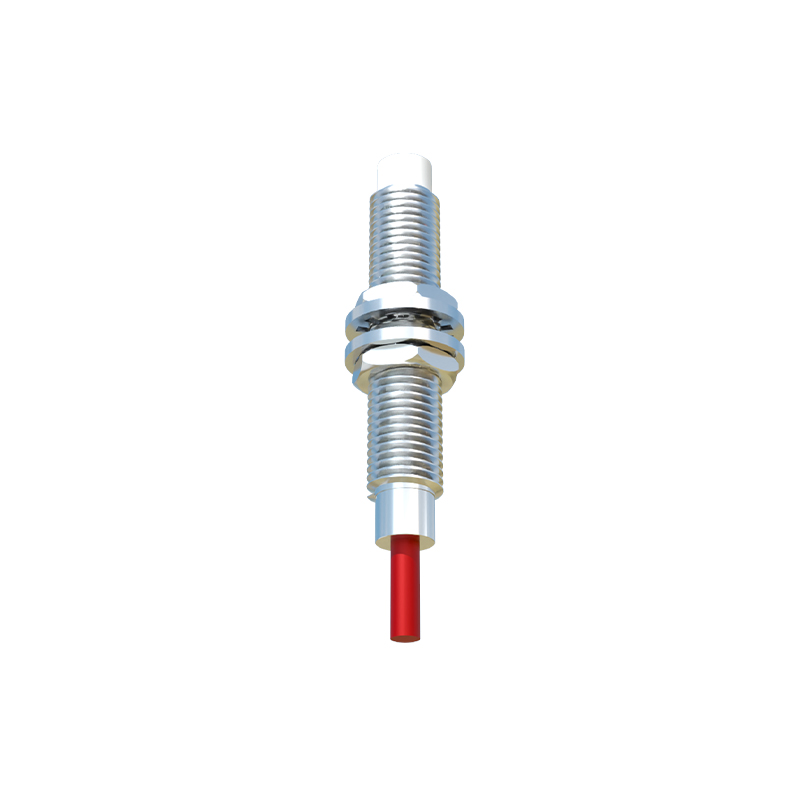
Precision and sensing range are equally critical. Quality sensors provide accurate, stable sensing distances tailored to specific needs. Whether it's a short-range inductive sensor for detecting a metal gear tooth or a longer-range ultrasonic sensor for measuring liquid levels, the specified range must be dependable. High repeat accuracy ensures that the machine or process behaves predictably every single time.
Robustness and environmental resilience separate ordinary sensors from exceptional ones. Industrial settings are harsh. Sensors may be exposed to oils, coolants, extreme temperatures, vibration, and physical impacts. A high-quality proximity switch is housed in a rugged casing, often with an IP67 or higher ingress protection rating, ensuring it remains operational when splashed with water or covered in grime. The internal electronics are designed to withstand voltage spikes and electrical noise common in industrial power supplies.
Furthermore, the response speed of the sensor is vital for modern high-cycle applications. The time delay between detecting an object and sending the output signal must be incredibly fast, often measured in milliseconds or microseconds, to keep pace with rapid machinery. A slow sensor becomes a bottleneck, limiting overall system performance.
The market offers several primary types, each with optimal use cases. Inductive proximity sensors are the workhorses for detecting metallic objects. They are incredibly robust, immune to environmental contaminants, and perfect for counting metal parts or confirming the position of a piston in a cylinder. Capacitive proximity sensors can detect both metallic and non-metallic materials—plastics, liquids, wood, and granules. This makes them ideal for level detection in tanks or detecting filled packages on a conveyor. Photoelectric sensors use light beams and are excellent for long-range detection and sensing very small or transparent objects. Ultrasonic sensors use sound waves and excel in distance measurement and detecting objects with complex surfaces, regardless of color or material.
Selecting the right high-quality sensor requires a careful analysis of the application. Engineers must consider the target material, required sensing distance, environmental conditions, electrical output needs (e.g., NPN/PNP, NO/NC), and mounting constraints. Investing in a sensor from a reputable manufacturer that offers clear specifications, certifications (like CE, UL), and reliable technical support pays significant dividends in the long run through reduced maintenance and higher system uptime.
In conclusion, as automation grows more sophisticated and the demand for Industry 4.0 and IoT integration rises, the role of the proximity switch sensor becomes more central. They are the essential eyes of the machine. Opting for high-quality proximity sensors is not merely a component purchase; it is a strategic investment in operational integrity. They provide the foundational data that drives decision-making in automated systems, ensuring processes are not just automated, but intelligently and reliably controlled. The marginal extra cost of a superior sensor is swiftly offset by the immense value of uninterrupted production, superior product quality, and enhanced operational safety.