In modern industrial automation, proximity sensors play a critical role in enhancing efficiency, safety, and reliability. These non-contact detection devices identify the presence or absence of objects within their sensing range, enabling precise control in various applications. This article explores real-world cases where proximity sensors solve practical challenges across different sectors.
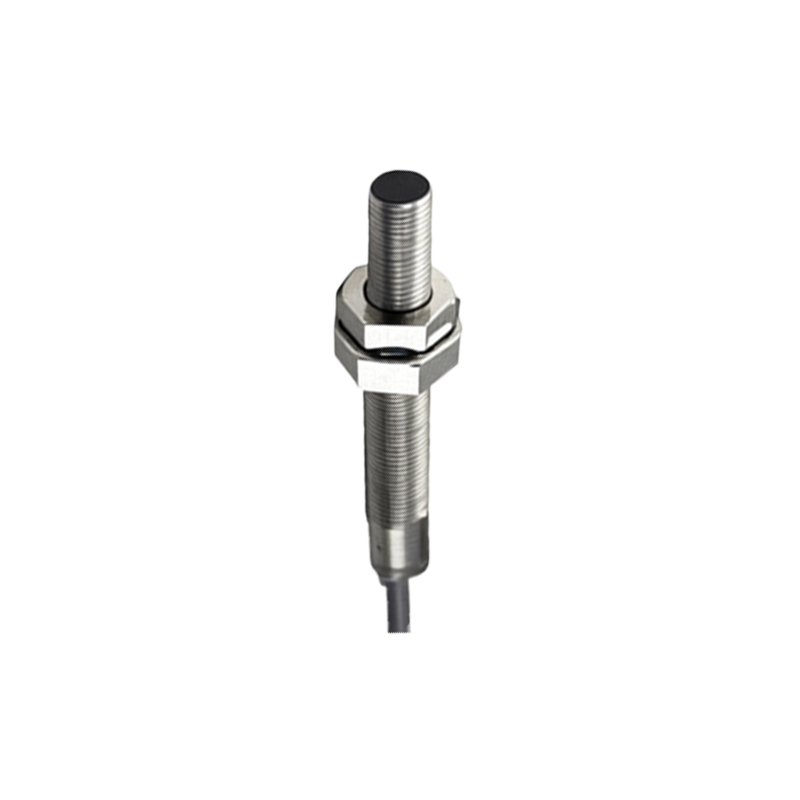
One prominent application is in automotive assembly lines. Inductive proximity sensors, which detect metallic objects, are extensively used to verify the position of engine components. For instance, a leading car manufacturer integrated cylindrical inductive sensors to monitor the placement of pistons within cylinders. The sensors provide real-time feedback to the robotic arm controller, ensuring each piston is correctly seated before proceeding to the next assembly stage. This implementation reduced misalignment errors by 95% and minimized production downtime.
In packaging and material handling, capacitive proximity sensors offer versatile detection capabilities. A food processing plant employed these sensors to monitor plastic film levels on packaging machines. Unlike photoelectric sensors, capacitive variants reliably detect transparent materials unaffected by color or transparency variations. By installing sensors above the film roll, the system alerts operators before material depletion, preventing unexpected stoppages. This case demonstrated a 30% reduction in material waste and improved line continuity.
Magnetic proximity sensors, often utilizing reed switches or Hall-effect technology, excel in harsh environments. A mining company deployed ruggedized magnetic sensors on conveyor belt systems to track the movement of ore carts. Positioned along the rail tracks, the sensors detect magnets mounted on each cart, enabling precise location monitoring. This solution enhanced safety by preventing collisions and optimized logistics through automated scheduling. The system operated reliably despite dust, moisture, and vibration, showcasing durability in extreme conditions.
Ultrasonic proximity sensors provide accurate distance measurement for liquid level control. A chemical processing facility implemented ultrasonic sensors to manage corrosive fluid levels in storage tanks. The sensors, mounted atop the tanks, emit sound waves that reflect off the liquid surface. By calculating the time-of-flight, the system determines fill levels without direct contact, eliminating contamination risks. This non-invasive approach improved inventory accuracy and reduced maintenance costs associated with traditional float switches.
Another innovative case involves the use of cylindrical inductive sensors in machine tooling. A precision machining workshop installed these sensors on CNC lathes to detect tool wear. As cutting tools degrade over time, the sensor monitors minute changes in the metallic chip profile. When deviations exceed predefined thresholds, the system triggers an alert for tool replacement. This predictive maintenance strategy extended tool life by 20% and maintained product quality consistency.
Proximity sensors also contribute to energy efficiency in building automation. An office complex integrated infrared motion sensors for lighting and HVAC control. The sensors detect human presence in rooms and corridors, automatically adjusting environmental systems. During off-hours, the sensors reduce energy consumption by deactivating unnecessary services. Post-implementation data indicated a 40% decrease in electricity usage, highlighting the sustainability benefits.
Selecting the appropriate sensor type depends on factors like target material, environmental conditions, and required sensing range. Inductive sensors suit metallic object detection, capacitive sensors handle non-metallic materials, magnetic sensors endure tough settings, and ultrasonic sensors excel in distance-based applications. Proper installation, alignment, and shielding from interference are crucial for optimal performance.
Future trends include the integration of IoT connectivity, enabling remote monitoring and data analytics. Smart sensors with embedded diagnostics can predict failures and streamline maintenance schedules. As industries advance toward fully automated systems, proximity sensors will continue to evolve, offering higher precision, miniaturization, and enhanced communication capabilities.
These case studies illustrate how proximity sensors address diverse industrial needs, from quality assurance and safety to efficiency and sustainability. By understanding specific operational requirements, engineers can leverage sensor technology to optimize processes and drive innovation.