Proximity sensors are indispensable components in modern automation, robotics, and consumer electronics, enabling devices to detect the presence or absence of nearby objects without physical contact. The performance, reliability, and cost of these sensors are fundamentally dictated by their raw materials. This article delves into the core materials used in their construction, exploring their properties, applications, and the supply chain dynamics shaping the industry.
The sensing element is the heart of any proximity sensor, and its material composition varies by detection technology. For inductive proximity sensors, which detect metallic objects, a ferrite core is paramount. Typically made from manganese-zinc (MnZn) or nickel-zinc (NiZn) ferrites, this core concentrates the alternating magnetic field generated by the sensor's coil. The choice between MnZn and NiZn depends on the required frequency and permeability; MnZn ferrites excel at lower frequencies offering high permeability, while NiZn ferrites are preferred for higher frequency applications due to their superior resistivity. The coil itself is wound from high-purity copper or sometimes aluminum wire, chosen for excellent electrical conductivity.
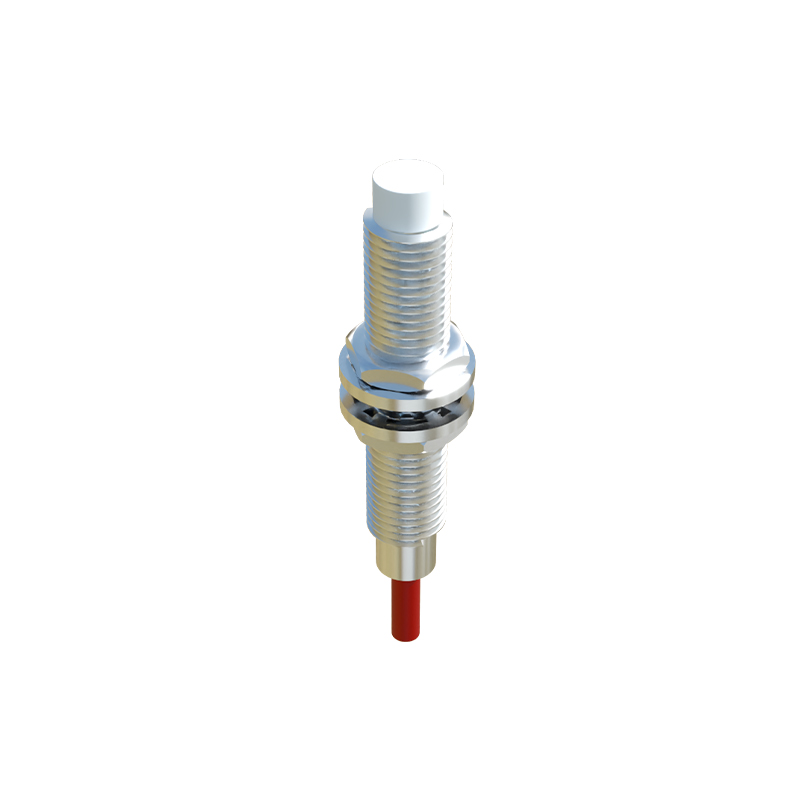
Capacitive proximity sensors, capable of detecting both metallic and non-metallic materials, rely heavily on the electrode material. The active electrode surface is often made from corrosion-resistant metals like stainless steel or nickel-plated brass. The dielectric material separating the electrodes is equally critical, with ceramics (e.g., alumina) or high-stability plastics like PTFE (Teflon) being common choices for their stable insulating properties and minimal dielectric loss.
Optical proximity sensors, including infrared (IR) types, utilize a different material set. The core components are the IR emitter and photodetector. The emitter is typically a Light Emitting Diode (LED) fabricated from semiconductor materials like gallium arsenide (GaAs) or aluminum gallium arsenide (AlGaAs), which efficiently produce infrared light. The photodetector, often a phototransistor or photodiode, is commonly made from silicon or, for specific wavelength sensitivities, materials like indium gallium arsenide (InGaAs). The housing and lens for the optical path are made from plastics that are transparent to the specific IR wavelength, such as polycarbonate or acrylic, sometimes with specialized optical coatings.
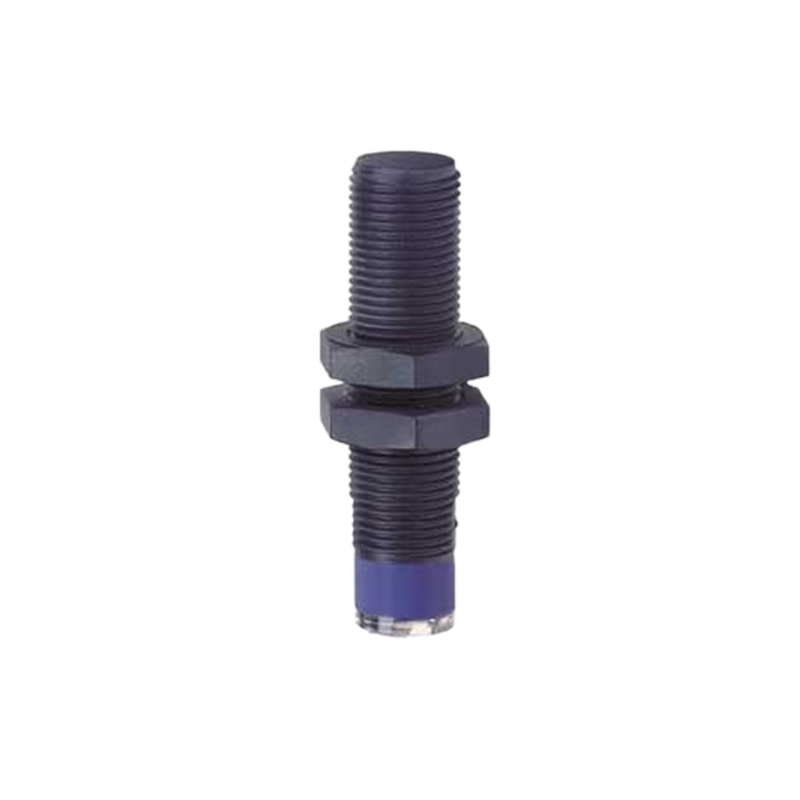
Magnet-based proximity sensors, like Hall-effect sensors, are centered on semiconductor materials. The sensitive element is a thin layer of a semiconductor material like gallium arsenide (GaAs), indium antimonide (InSb), or silicon. Silicon is the most prevalent due to its compatibility with standard integrated circuit (IC) fabrication processes. The permanent magnet that provides the magnetic field is usually made from rare-earth materials like neodymium (NdFeB) or samarium-cobalt (SmCo), prized for their strong magnetic fields.
Beyond the active elements, housing and encapsulation materials are vital for protection and longevity. Sensor housings are commonly made from engineering plastics such as PBT (polybutylene terephthalate), PPS (polyphenylene sulfide), or stainless steel for harsh environments. These materials offer excellent mechanical strength, chemical resistance, and temperature stability. Potting compounds, often epoxy or silicone-based, are used to encapsulate internal electronics, providing protection against moisture, vibration, and contaminants.
The global supply chain for these raw materials faces several critical considerations. The availability and price volatility of rare-earth elements (for magnets) and high-purity metals like copper directly impact sensor manufacturing costs. Geopolitical factors can influence the supply of key materials like gallium, a byproduct of aluminum processing largely sourced from specific regions. Furthermore, the industry is witnessing a growing emphasis on sustainable and compliant material sourcing, including adherence to regulations like RoHS (Restriction of Hazardous Substances), which restricts the use of lead, mercury, and other substances in electronic components.
Innovation in material science continues to push the boundaries of proximity sensor capabilities. Research into novel nanomaterials, advanced polymers with better thermal properties, and more efficient semiconductor compounds promises sensors that are smaller, more sensitive, energy-efficient, and capable of operating in extreme conditions. Understanding the foundational role of these raw materials is crucial for engineers designing new systems and for procurement specialists navigating the complex landscape of sensor sourcing. The evolution of proximity sensors remains intrinsically linked to the advancement and strategic sourcing of the materials from which they are built.