In modern agricultural operations, efficient manure management is critical for maintaining animal health, ensuring environmental compliance, and optimizing farm productivity. At the heart of many automated manure removal systems, such as alley scrapers or chain drag systems, lies a crucial but often overlooked component: the scraper proximity sensor. This technology plays a pivotal role in automating the scraping cycle, preventing equipment damage, and contributing to a safer working environment.
A scraper proximity sensor is a non-contact electronic device designed to detect the presence or position of the manure scraper's blade or carriage as it travels along a barn alley. Unlike mechanical limit switches that require physical contact, these sensors use electromagnetic fields, infrared light, or ultrasonic waves to sense the metal of the scraper assembly from a short distance. The primary function is to signal the control system when the scraper has reached the end of its travel path—either at the collection pit or the far end of the barn—initiating a reversal, a stop, or a change in operation mode.
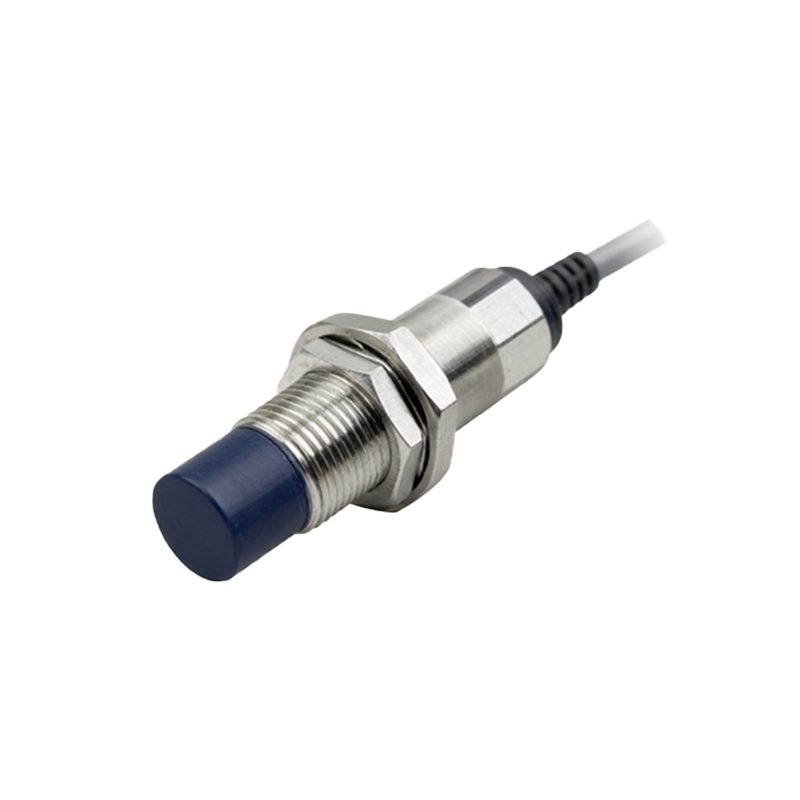
The operational principle is straightforward yet highly effective. Commonly, inductive proximity sensors are employed due to their reliability in harsh environments. These sensors generate an oscillating electromagnetic field. When a metal object (the scraper blade or a designated target plate) enters this field, it causes a change in the oscillation amplitude. The sensor's circuitry detects this change and triggers a solid-state switch, sending a clean electrical signal to the main controller. This entire process happens without any physical contact, eliminating wear and tear associated with mechanical switches.
The benefits of integrating robust proximity sensors into a scraper system are substantial. First and foremost is the enhancement of system reliability. By providing precise and consistent position feedback, these sensors enable fully automated, "set-and-forget" operation. Farmers can program scraping intervals without manual intervention, ensuring regular manure removal even outside of standard working hours. This consistency is vital for animal welfare and floor condition.
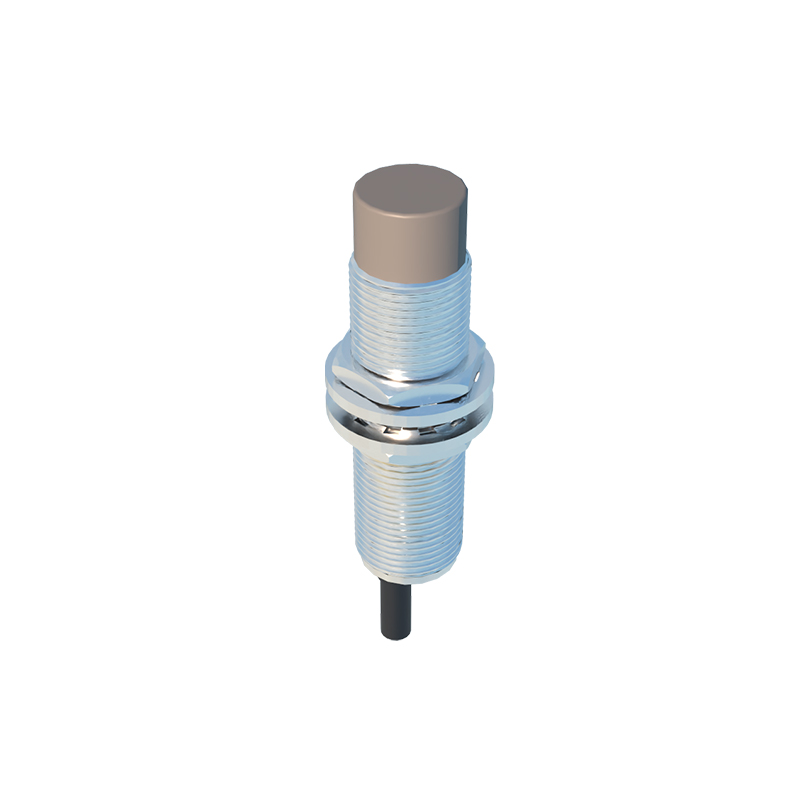
Secondly, they are instrumental in damage prevention. Without accurate end-of-travel detection, a scraper could over-travel, potentially colliding with stationary structures, over-tensioning chains or cables, or causing motor overload. Such incidents lead to costly repairs and significant downtime. Proximity sensors act as the first line of defense, providing the control system with the necessary information to halt or reverse direction promptly.
From a safety perspective, these sensors contribute to a safer barn environment. Automated systems reduce the need for personnel to be in close proximity to moving equipment during operation. Furthermore, by ensuring the equipment operates only within its intended parameters, the risk of unexpected mechanical failures that could pose hazards to workers or animals is minimized.
When selecting a proximity sensor for this demanding application, several factors are paramount. The sensor must have a high Ingress Protection (IP) rating, typically IP67 or higher, to withstand constant exposure to moisture, dust, ammonia, and corrosive gases prevalent in livestock housing. The housing should be constructed from stainless steel or similarly rugged materials to resist physical impact and corrosion. The sensing range must be appropriately calibrated for the specific installation, and the sensor should be resistant to electrical noise commonly generated by large motors and variable frequency drives in farm settings.
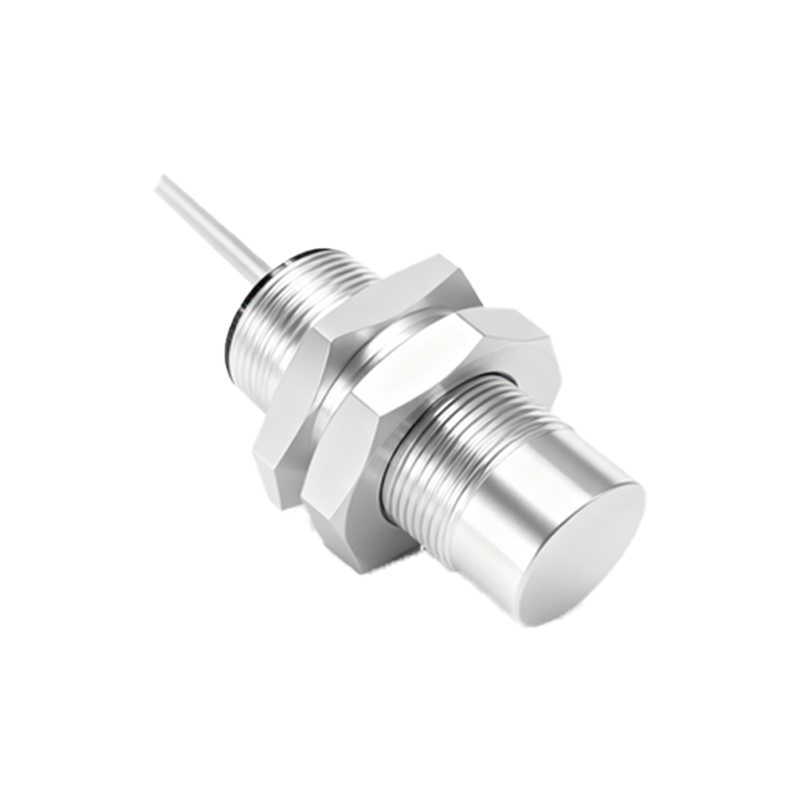
Installation and maintenance are relatively simple but require attention to detail. Sensors should be mounted securely on a stable surface, aligned correctly with the metal target on the scraper, and protected from direct impact by animals or equipment. Wiring should be routed through conduit to prevent damage. While the sensors themselves are largely maintenance-free, periodic visual inspections to check for physical damage, buildup of debris, or corrosion on the sensing face are recommended as part of a routine preventative maintenance schedule.
In conclusion, the scraper proximity sensor is a small technological component that delivers outsized value in automated manure management. It is the key enabler for reliable, hands-free operation, protecting valuable mechanical assets from damage and supporting the overall safety and efficiency goals of a modern livestock operation. As agriculture continues to embrace precision technologies, the role of such robust, simple, and effective sensing solutions becomes ever more critical, ensuring that the foundational task of manure removal is performed seamlessly day in and day out.