In modern industrial cutting operations, proximity sensors play a critical role in ensuring precision, safety, and efficiency. These non-contact detection devices are strategically placed on cutting machines to monitor positions, detect materials, and prevent collisions. Understanding their common locations is essential for maintenance, troubleshooting, and optimization.
Typically, proximity sensors are installed near the cutting blade or tool head. This placement allows them to detect the presence of the workpiece or the exact position of the cutting component. For instance, on CNC plasma or laser cutters, inductive or capacitive sensors are often mounted on the gantry or carriage assembly. They verify whether the cutting head is at the correct height above the material, preventing damage from accidental contact.
Another key location is along the material feeding system. In automated cutting lines, sensors are positioned near rollers, conveyors, or clamps to confirm that the stock is properly aligned and fed into the machine. Optical or ultrasonic sensors might be used here to detect transparent or irregularly shaped materials, ensuring seamless operation without jams.
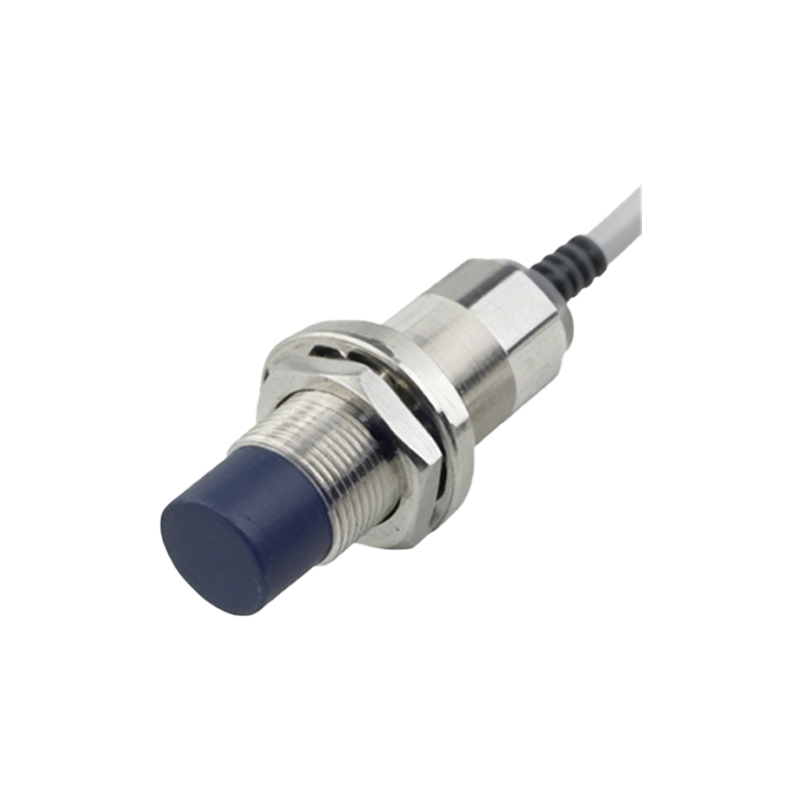
Safety zones also feature proximity sensors. Around the machine perimeter or near access doors, magnetic or inductive sensors act as interlock devices. If a door is opened during operation, these sensors immediately halt the machine to protect operators from moving parts. Similarly, sensors are placed near emergency stop mechanisms or guardrails to enhance workplace safety.
On rotary cutting machines, such as those used for textiles or paper, sensors are frequently found on the shaft or spindle. They monitor rotational speed and position, synchronizing the cutting blade with material movement. This ensures clean, accurate cuts and reduces waste. In hydraulic or pneumatic cutting systems, sensors may be integrated into cylinder rods or piston assemblies to track extension and retraction, providing real-time feedback to the control system.
The control cabinet itself often houses sensor interfaces or amplifiers. While not directly on the cutting mechanism, these components are vital for processing signals from distributed sensors. Wiring harnesses connect sensors to the cabinet, and diagnostic LEDs on sensor bodies help technicians verify functionality quickly.
Environmental factors influence sensor placement. In dusty or wet conditions, sensors are encased in protective housings and placed away from direct exposure to debris or coolants. For high-temperature cutting processes, like oxy-fuel cutting, sensors are positioned at a distance or equipped with heat shields to avoid thermal damage.
Regular inspection of these sensor locations is crucial. Accumulated debris, mechanical misalignment, or electrical interference can lead to false readings or failures. Technicians should follow manufacturer guidelines for cleaning, calibration, and replacement. Using a multimeter or oscilloscope, they can test sensor output signals to ensure reliability.
In summary, proximity sensors on cutting machines are predominantly located near cutting heads, material handling systems, safety barriers, and moving assemblies. Their strategic placement supports automated control, reduces downtime, and upholds safety standards. As cutting technology evolves, smart sensors with IoT connectivity are becoming more common, enabling predictive maintenance and data-driven optimization. Always refer to the machine’s technical manual for specific sensor diagrams and location details.