In the realm of industrial automation, proximity switch sensors are indispensable components for detecting the presence or absence of objects without physical contact. Among the various configurations available, the M12 3-wire NPN proximity sensor stands out for its reliability, compact design, and compatibility with a wide range of control systems. This article delves into the technical aspects, operational principles, and practical applications of this sensor type, providing insights for engineers and technicians in the electrical and automation fields.
The M12 designation refers to the sensor's threaded cylindrical housing, which has a 12-millimeter diameter. This standardized form factor ensures easy installation and interchangeability in diverse industrial environments, from manufacturing lines to robotic systems. The three-wire configuration typically includes power supply (brown wire), ground (blue wire), and output (black wire) connections, adhering to international color-coding standards for clarity and safety. The NPN output type indicates that the sensor switches the negative side of the load, making it suitable for sinking input modules in programmable logic controllers (PLCs).
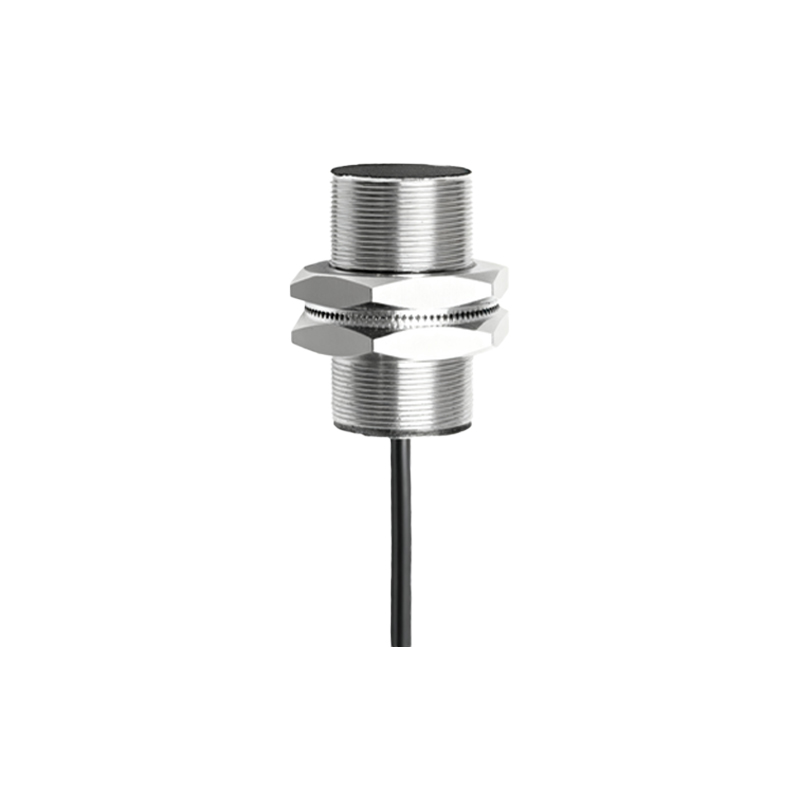
Operationally, M12 NPN proximity sensors function based on electromagnetic or capacitive principles, depending on the target material. Inductive sensors, commonly used for metal detection, generate an oscillating electromagnetic field. When a metallic object enters this field, eddy currents are induced, causing a change in oscillation amplitude that triggers the sensor's output. Capacitive sensors, on the other hand, detect both metallic and non-metallic objects by measuring changes in capacitance caused by the target's dielectric properties. The NPN output provides a low signal (0V) when activated, which is ideal for interfacing with DC sinking circuits prevalent in industrial controls.
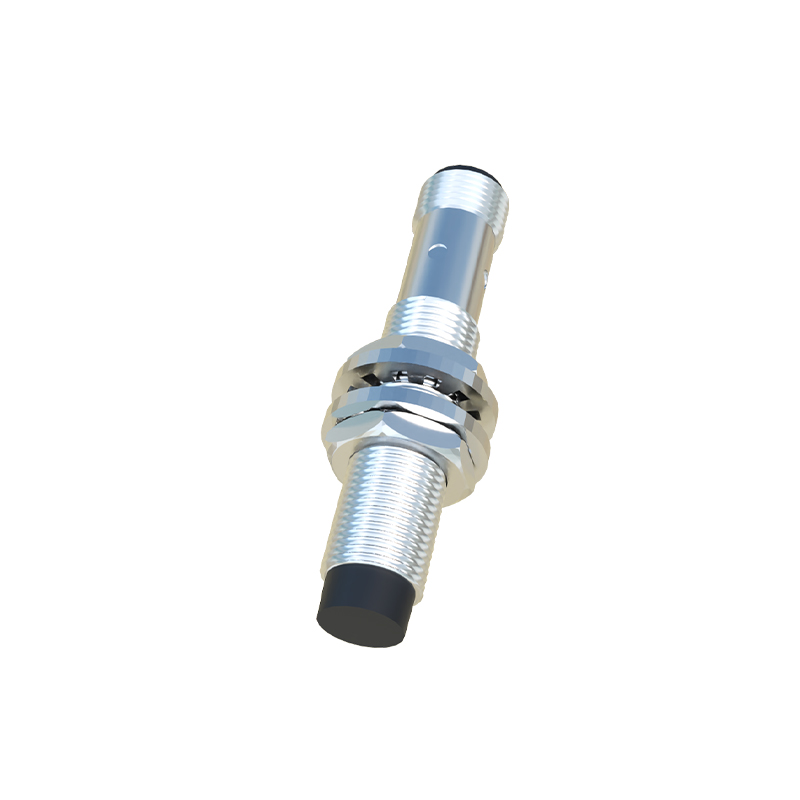
Key advantages of the M12 3-wire NPN proximity sensor include its robust construction, often rated IP67 or higher for resistance to dust and water ingress, ensuring durability in harsh conditions. The quick-disconnect M12 connector facilitates maintenance and replacement without rewiring, minimizing downtime. Additionally, these sensors offer high switching frequencies, enabling precise detection in high-speed applications such as packaging machinery or conveyor systems. Their low power consumption and stable performance across temperature ranges (typically -25°C to 70°C) further enhance their suitability for continuous operation.
In practice, M12 NPN sensors are deployed in numerous scenarios. For instance, in automotive assembly lines, they detect parts position for robotic welding arms, while in material handling, they monitor object presence on belts to prevent jams. When integrating these sensors, engineers must consider factors like sensing distance (which varies by model and target material), electrical load compatibility, and environmental interferences. Proper shielding and mounting are essential to avoid false triggers from adjacent metal surfaces or electrical noise.
Maintenance involves periodic checks for physical damage, contamination, or loose connections, as these can affect performance. Calibration may be required over time to ensure consistent detection accuracy. With advancements in technology, modern M12 NPN sensors often incorporate features like short-circuit protection, LED status indicators, and enhanced noise immunity, contributing to system resilience.
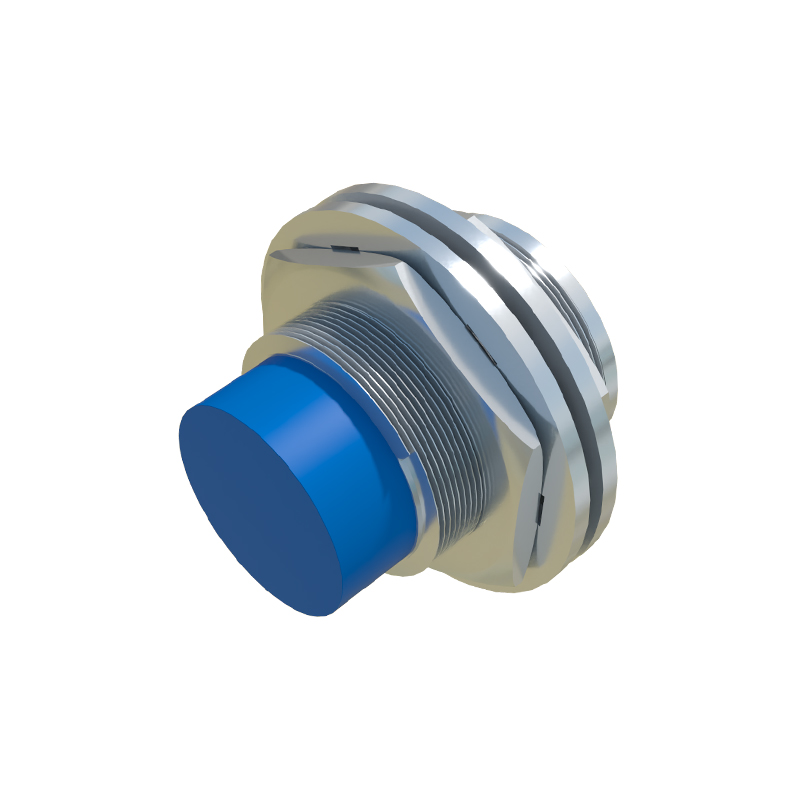
In summary, the M12 3-wire NPN proximity switch sensor is a versatile and efficient solution for non-contact detection in industrial automation. Its standardized design, reliable NPN output, and adaptability make it a cornerstone in optimizing operational efficiency and safety. As industries evolve toward smarter manufacturing, understanding and leveraging such components remains crucial for engineering professionals aiming to design and maintain robust control systems.